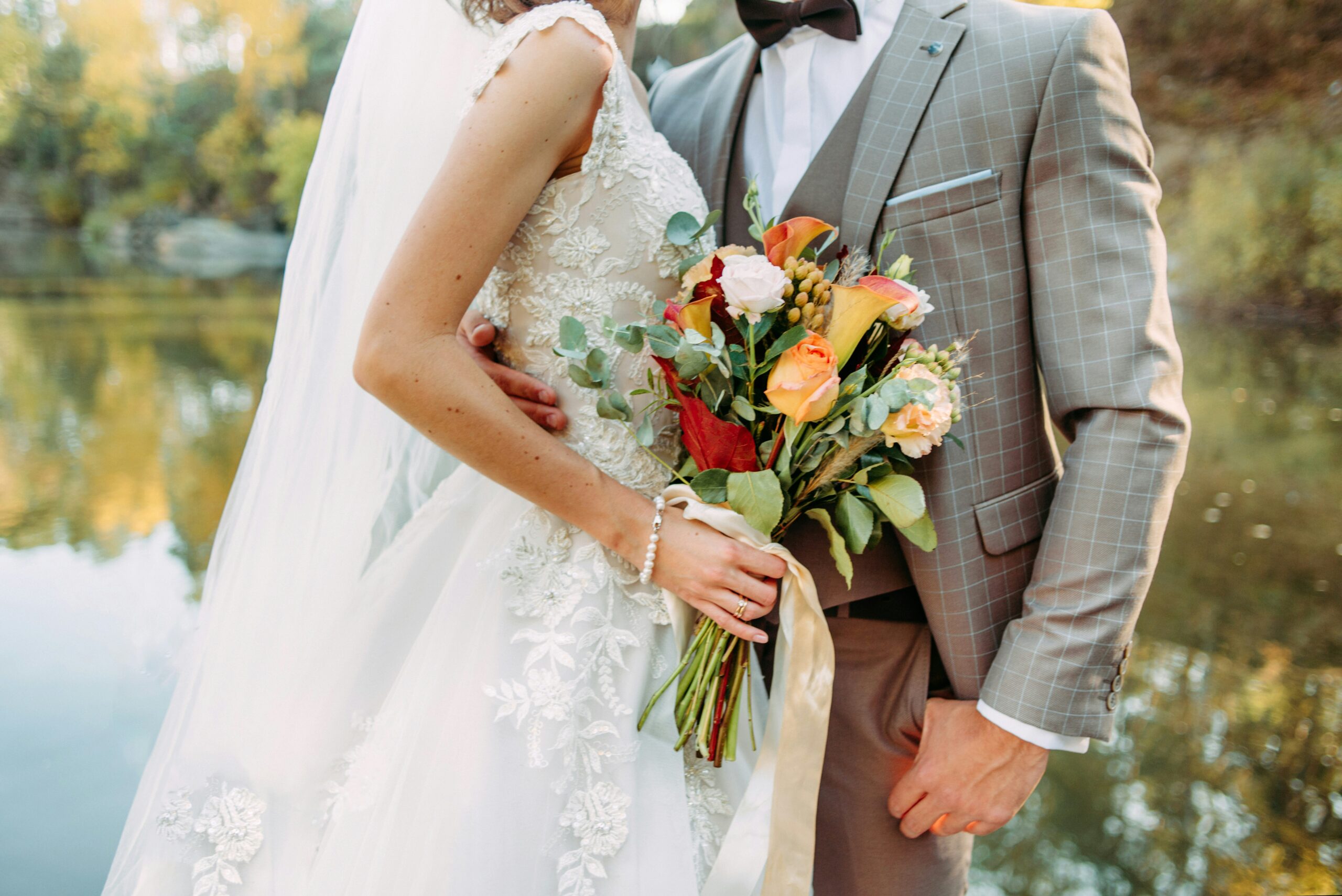
Planning a wedding is a whirlwind, and for many, getting in shape for the big day is a part of that journey. But what does “getting fit” actually mean, and how do you do it without adding more stress to an already busy time? The core idea is to adopt sustainable, healthy eating habits that make you feel good, both inside and out, rather than resorting to drastic measures. It’s about nourishing your body, not depriving it.
Before you even think about what to eat, let’s talk about what’s achievable. This isn’t about transforming into a supermodel overnight; it’s about feeling confident and comfortable in your own skin.
Why Crash Diets Are a Bad Idea
You might be tempted by quick fixes, but crash diets rarely deliver lasting results and can often leave you feeling drained, irritable, and even sick. They mess with your metabolism, and any weight lost is usually regained quickly once you go back to normal eating. Plus, who needs to feel faint or grumpy during wedding planning?
Focus on Feeling Good, Not Just Looking Good
Ultimately, the goal is to feel energized, healthy, and happy. When you prioritize nourishing your body, those positive feelings naturally translate into looking good. It’s about building a healthy relationship with food that extends beyond the wedding day.
Fueling Your Body: What to Eat
Think of your body as needing premium fuel for all that wedding planning and celebrating. This means focusing on whole, unprocessed foods that provide sustained energy.
Balanced Meals are Key
Instead of counting calories or eliminating entire food groups, aim for balanced meals. This means each plate should include a mix of:
Lean Protein
Things like chicken breast, fish, eggs, tofu, lentils, and beans are fantastic for keeping you full and supporting muscle health. Protein helps stabilize blood sugar and prevents those sudden energy crashes.
Plenty of Vegetables
Load up on a variety of colorful vegetables. They’re packed with vitamins, minerals, and fiber, which are essential for overall health and digestion. Think leafy greens, broccoli, bell peppers, carrots – the more color, the better.
Whole Grains
Opt for whole grains like brown rice, quinoa, oats, and whole-wheat bread instead of refined grains. They provide sustained energy and a good dose of fiber. This helps with satiety and keeps your digestive system happy.
Healthy Fats
Don’t shy away from healthy fats found in avocados, nuts, seeds, and olive oil. They are crucial for hormone function, nutrient absorption, and keeping you satisfied. Just remember that fats are calorie-dense, so portion control is still a good idea.
Eating Regularly
Skipping meals, especially breakfast, can throw your blood sugar off balance and lead to overeating later. Aim to eat smaller, regular meals throughout the day.
Don’t Skip Breakfast
Breakfast truly is the most important meal. It kick-starts your metabolism and provides energy for the day ahead. A balanced breakfast, like oatmeal with berries and nuts, or eggs with whole-wheat toast and avocado, sets you up for success.
Smaller, More Frequent Meals
Instead of three large meals, consider eating every 3-4 hours. This can help keep your energy levels stable, prevent extreme hunger, and make it easier to manage portion sizes. Think of it as grazing smartly.
Hydration: Your Secret Weapon

You’ve heard it before, but it bears repeating: water is incredibly important. It’s not just about thirst; it impacts everything from your skin to your energy levels.
How Much Water Do You Really Need?
The general recommendation is about 8-10 glasses a day, which translates to roughly 2-3 liters. This can vary depending on your activity level and the climate, but it’s a good benchmark to aim for.
Benefits Beyond Thirst
Staying well-hydrated helps with digestion, nutrient absorption, and even keeps your skin looking more radiant. It can also help you feel fuller, which might reduce unnecessary snacking. Carry a water bottle with you and refill it throughout the day as a constant reminder.
Smart Choices for a Smooth Sail

Some foods and drinks can cause issues like bloating or energy dips, which are the last thing you need before your wedding.
Reducing Bloating Triggers
Nobody wants to feel puffy on their wedding day. Some foods are notorious for causing bloating, especially in the days leading up to the event.
Avoid Carbonated Drinks
The bubbles in sodas and sparkling water introduce gas into your digestive system, leading to bloating. Stick to still water or unsweetened tea.
Go Easy on Beans and Cruciferous Vegetables
While incredibly healthy, foods like beans, broccoli, cauliflower, and cabbage can cause gas and bloating for some people. You don’t have to cut them out completely, but maybe limit them in the final week or two if you know they affect you.
Cut Down on Processed Foods and Excess Sodium
Processed foods are often high in sodium, artificial ingredients, and unhealthy fats, all of which can contribute to water retention and bloating. Cooking at home gives you more control over ingredients. Excess sodium makes your body hold onto water, leading to a puffy feeling. Check food labels and try to reduce your intake of salty snacks and restaurant meals.
Limiting Alcohol and Sugary Treats
These aren’t just empty calories; they can also lead to inflammation and disrupt your sleep, neither of which is good for your wedding glow.
Alcohol in Moderation
Alcohol can dehydrate you and often leads to poor food choices. While celebrating is part of wedding planning, try to keep alcohol consumption to a minimum, especially as the big day approaches. It can also cause puffiness and affect skin clarity.
Say No to Sugary and Empty-Calorie Foods
Things like candy, pastries, and highly processed snacks offer little nutritional value and can lead to energy crashes. They also contribute to inflammation. Focus on satisfying your sweet tooth with natural options like fruit.
The Final Stretch: Last-Minute Prep
| Metric | Description | Recommended Value | Notes |
|---|---|---|---|
| Daily Caloric Intake | Amount of calories consumed per day | 1200-1500 kcal | Depends on individual metabolism and activity level |
| Protein Intake | Daily protein consumption | 70-100 grams | Supports muscle maintenance and satiety |
| Carbohydrate Intake | Daily carbohydrate consumption | 100-150 grams | Focus on complex carbs for sustained energy |
| Fat Intake | Daily fat consumption | 40-60 grams | Include healthy fats like avocados and nuts |
| Water Intake | Amount of water consumed daily | 2-3 liters | Hydration is key for skin and metabolism |
| Weight Loss Rate | Recommended weekly weight loss | 0.5-1 kg per week | Safe and sustainable weight loss |
| Meal Frequency | Number of meals per day | 3-5 meals | Includes snacks to maintain energy levels |
| Exercise Frequency | Number of workout sessions per week | 4-6 sessions | Combines cardio and strength training |
As the wedding day draws nearer, your focus should shift from drastic changes to maintaining consistency and avoiding anything new that could cause an upset.
Keep Meals Familiar
The weeks and days leading up to your wedding are not the time to experiment with new recipes or exotic foods. Stick to meals you know and love that you know agree with your digestive system.
Avoid Drastic Last-Minute Changes
Your body doesn’t appreciate sudden shifts. Drastic dieting or trying a new cleanse just before the wedding can lead to unpredictable reactions, such as digestive upset, fatigue, or skin breakouts. Consistency is far more beneficial.
Trust Your Gut (Literally)
You know your body best. If a certain food tends to make you feel sluggish or bloated, even if it’s generally considered healthy, it’s probably best to avoid it in the days leading up to the wedding. This is about personal comfort and well-being.
Beyond Food: Holistic Well-being
Eating well is a huge part of feeling great, but it’s not the only piece of the puzzle. Your mental and emotional state play a significant role too.
Stress Management
Wedding planning is notoriously stressful. High stress levels can lead to poor food choices, digestive issues, and even skin problems. Find healthy ways to manage stress, whether it’s through exercise, meditation, spending time in nature, or delegating tasks.
Prioritize Sleep
Sleep is crucial for recovery, hormone balance, and overall well-being. Aim for 7-9 hours of quality sleep each night. Lack of sleep can mess with your hunger hormones, making it harder to stick to healthy eating habits. It also impacts your mood and energy.
Gentle Movement
You don’t need to embark on an intense new workout regimen just before the wedding. Regular, gentle movement like walking, yoga, or swimming can help manage stress, improve circulation, and contribute to an overall feeling of well-being without overtaxing your body.
A Note on Body Image
It’s easy to get caught up in external pressures, but remember that your wedding day is about celebrating love and commitment. Focus on feeling happy, healthy, and present. Your partner loves you for who you are, not for a specific dress size. This journey is about self-care and feeling your best, not chasing an unrealistic ideal.
Putting It All Together
Ultimately, getting fit for your wedding day is about adopting a balanced, sustainable approach to nutrition and well-being. It’s not a race or a punishment; it’s an opportunity to nourish your body and feel your absolute best when you say “I do.” By focusing on whole foods, staying hydrated, managing stress, and getting enough sleep, you’ll be well on your way to feeling confident, energetic, and glowing on your special day. And remember, the real glow comes from within.
FAQs
What is a wedding diet?
A wedding diet is a specific eating plan followed by individuals who are preparing for their wedding day in order to achieve their desired weight or body shape.
How long before the wedding should one start a wedding diet?
It is recommended to start a wedding diet at least 3-6 months before the wedding day to allow for gradual and sustainable weight loss.
What are some common components of a wedding diet?
Common components of a wedding diet include portion control, balanced meals, increased water intake, reduced sugar and processed foods, and regular exercise.
Are crash diets recommended for a wedding diet?
Crash diets are not recommended for a wedding diet as they can be harmful to one’s health and often result in short-term weight loss followed by rapid weight gain.
Should one consult a healthcare professional before starting a wedding diet?
It is advisable to consult a healthcare professional, such as a registered dietitian or a doctor, before starting a wedding diet to ensure it is safe and appropriate for individual health needs.
Leave a Reply