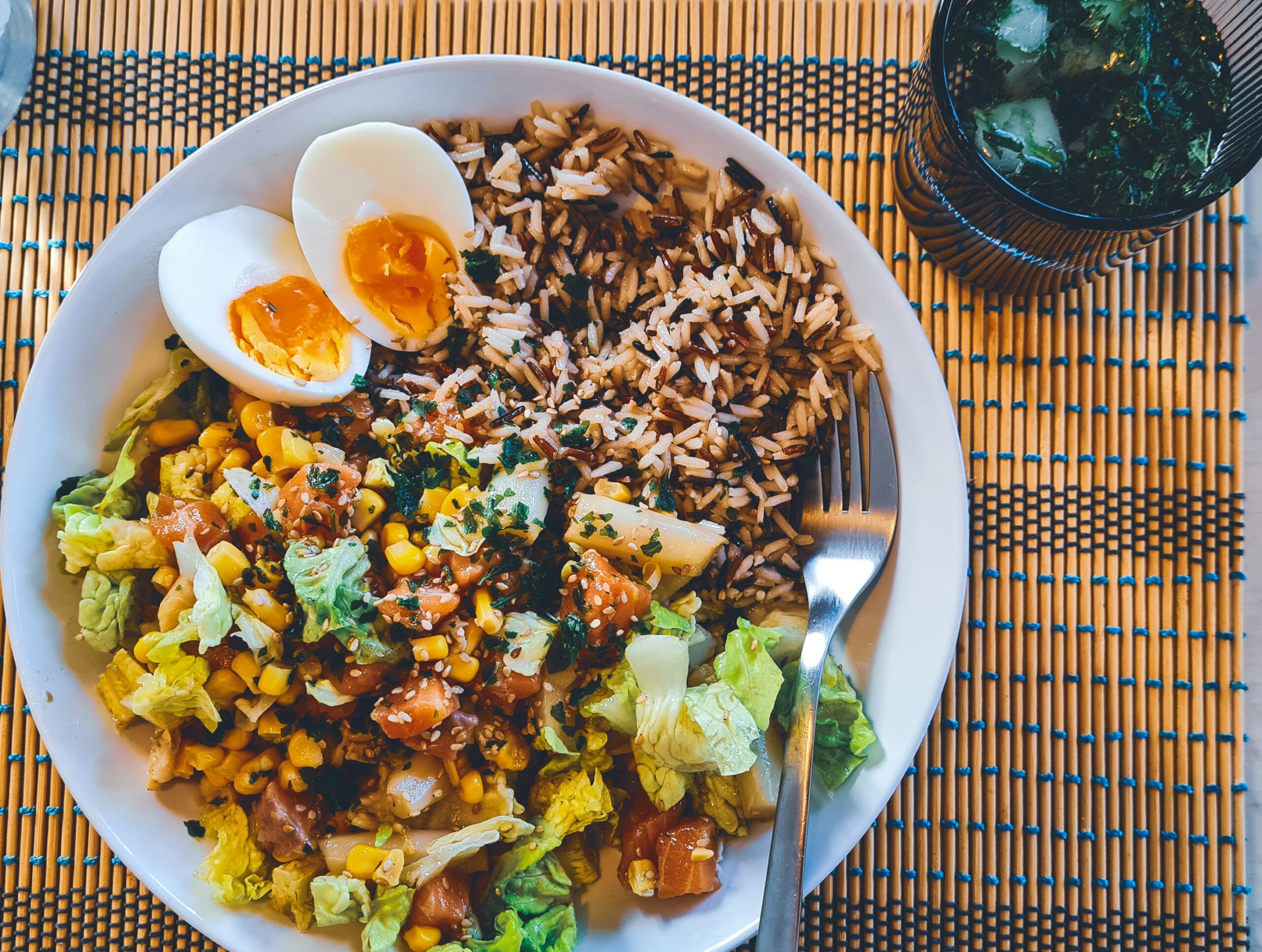
Why Your Post-Workout Meal Matters (and What to Eat)
So, you’ve just pushed yourself – a great workout achieved! Now what? Don’t let all that hard work go to waste by skipping out on arguably one of the most important parts of your fitness routine: your post-workout meal. The best after-workout meals aren’t about magic; they’re about giving your body what it needs to repair, refuel, and get stronger. Immediately after exercise, your muscles are like sponges, ready to soak up nutrients to kickstart recovery. The goal is to replenish depleted glycogen stores (your body’s primary energy source), repair muscle tissue damaged during exercise, and reduce muscle soreness. Ignoring this window can lead to slower recovery, less effective muscle growth, and generally feeling run down. We’re talking about smart food choices that work with your body, not against it.
For those looking to optimize their post-workout nutrition, a great resource can be found in this article on the best after workout meals. It provides insights into the ideal balance of proteins, carbohydrates, and healthy fats to aid recovery and muscle growth. You can read more about it here: Best After Workout Meal.
The Science Behind Post-Workout Nutrition

It’s not just about “eating something” after you exercise; there’s some solid science guiding the optimal choices. When you work out, especially with intensity, several things happen inside your body.
Depleting Glycogen Stores
Your muscles use glycogen, a stored form of glucose, as their primary fuel during exercise. The harder and longer you work out, the more glycogen you deplete. Think of it like a car running on gas; eventually, the tank gets low. Replenishing these stores is crucial for recovery and for having energy for your next workout. Carbohydrates are the key here.
Muscle Protein Breakdown
Exercise, particularly resistance training, causes microscopic tears in your muscle fibers. This is a natural and necessary part of the process that leads to muscle growth, but it also means your body needs building blocks to repair and rebuild these tissues. That’s where protein comes in.
Hormonal Response
Exercise triggers various hormonal responses. While some are beneficial, others, like elevated cortisol (a stress hormone), can potentially hinder recovery if not managed. Proper post-workout nutrition can help balance these hormones, promoting a more anabolic (muscle-building) state.
The “Anabolic Window”
You might have heard of the “anabolic window,” a supposed short period after exercise where your body is primed to absorb nutrients. While the idea of a super-short, hard deadline has been somewhat debunked, research still suggests that consuming protein and carbohydrates within a few hours after your workout is beneficial. It optimizes muscle protein synthesis (the process of building new muscle) and glycogen replenishment. Waiting too long can slow down recovery and potentially limit your gains. Aim for within 30-60 minutes if possible, but don’t stress if you can’t hit it precisely. A meal within 2-3 hours is still very effective.
Essential Nutrients for Recovery and Energy

When crafting your post-workout meal, focus on a balanced approach, prioritizing specific macronutrients that play critical roles in recovery.
Carbohydrates: The Energy Replenishers
Carbohydrates are your primary fuel source, and after a workout, your glycogen stores are likely depleted. Replenishing them is vital for energy levels and preventing fatigue. The type of carbohydrates you choose also matters.
Complex vs. Simple Carbohydrates
While “complex carbs” are generally preferred for sustained energy throughout the day, a mix can be beneficial post-workout. Simple carbohydrates, like those found in fruit, are quickly digested and can rapidly spike insulin, which helps shuttle nutrients into muscle cells. Complex carbohydrates, like whole grains, offer sustained energy and additional nutrients.
Good Carbohydrate Sources
- Fruits: Bananas, berries, apples, oranges. They provide simple sugars for quick replenishment and antioxidants.
- Starchy Vegetables: Sweet potatoes, potatoes, corn. Excellent sources of complex carbohydrates and vitamins.
- Whole Grains: Oats, quinoa, brown rice, whole-wheat bread/pasta. Offer sustained energy and fiber.
- Legumes: Lentils, beans. Provide carbs, protein, and fiber.
Protein: The Muscle Builders
Protein is absolutely crucial for muscle repair and growth. After exercise, your muscles are screaming for amino acids – the building blocks of protein – to fix the microscopic damage and rebuild stronger.
Complete vs. Incomplete Proteins
Aim for complete proteins, which contain all nine essential amino acids your body can’t produce on its own. Animal sources (meat, dairy, eggs) are typically complete. Plant-based sources can be combined to form a complete protein (e.g., rice and beans).
High-Quality Protein Sources
- Lean Meats: Chicken breast, turkey, lean beef. Packed with essential amino acids.
- Fish: Salmon, tuna, cod. Great source of protein and often omega-3 fatty acids.
- Eggs: A perfect protein source, highly bioavailable.
- Dairy: Greek yogurt, cottage cheese, milk. Excellent for casein and whey protein, offering both slow and fast digestion.
- Plant-Based Proteins: Tofu, tempeh, lentils, beans, edamame, protein powder (pea, soy, hemp).
Fats: Often Overlooked but Important
While carbohydrates and proteins take center stage immediately after a workout, don’t completely neglect fats. Healthy fats play a role in hormone production, nutrient absorption, and reducing inflammation. However, they slow down digestion, so consuming large amounts right after a workout might not be ideal if rapid nutrient absorption is your priority. A moderate amount of healthy fats is fine.
Healthy Fat Sources
- Avocado: Healthy monounsaturated fats.
- Nuts and Seeds: Almonds, walnuts, chia seeds, flax seeds. Provide healthy fats, fiber, and some protein.
- Olive Oil: A good source of monounsaturated fats.
Hydration: More Than Just Water
Staying hydrated is critical not only during your workout but also afterward. You lose fluids and electrolytes through sweat, and replenishing them is essential for all bodily functions, including nutrient transport and muscle recovery.
Optimal Hydration Strategies
- Water: Plain water is often sufficient for most workouts.
- Electrolyte Drinks: For longer, more intense workouts (over an hour) or in hot conditions, an electrolyte drink can help replenish lost sodium, potassium, and other minerals.
- Coconut Water: A natural source of electrolytes.
Top Food Combinations for Optimal Recovery
Now that we understand the ‘why’ and the ‘what,’ let’s dive into some practical and tasty meal ideas that hit all the right notes for post-workout recovery. The key is combining a good source of carbohydrates with a good source of protein.
Smoothie Powerhouses
Smoothies are fantastic because they’re quick, easy to digest, and highly customizable. You can pack a lot of nutrients into one delicious drink.
Berry and Spinach Protein Smoothie
- Ingredients: 1 scoop protein powder (whey, casein, or plant-based), 1 cup mixed berries (frozen), 1/2 banana, 1 cup spinach, 1/2 cup unsweetened almond milk (or water/dairy milk), 1 tablespoon chia seeds or flax seeds (optional, for healthy fats and fiber).
- Why it works: Protein for muscle repair, berries and banana for fast-acting carbs and antioxidants, spinach for micronutrients, and chia/flax for omega-3s.
Tropical Green Recovery Smoothie
- Ingredients: 1 scoop protein powder, 1/2 cup pineapple (frozen), 1/2 cup mango (frozen), 1/2 cup coconut water, 1/4 cup Greek yogurt, a handful of kale.
- Why it works: Provides quick sugars from tropical fruits, electrolytes from coconut water, and a mix of whey/casein from Greek yogurt and protein powder.
Hearty Meal Options
If you prefer a more substantial meal, these options provide a great balance of macronutrients and keep you feeling satisfied.
Chicken and Sweet Potato Bowl
- Ingredients: 4-6 oz grilled or baked chicken breast, 1 medium baked sweet potato, 1 cup steamed green vegetables (broccoli, green beans), drizzle of olive oil.
- Why it works: Lean protein from chicken, complex carbohydrates from sweet potato, and essential vitamins/minerals from vegetables.
Salmon with Quinoa and Asparagus
- Ingredients: 4-6 oz baked or pan-seared salmon, 1 cup cooked quinoa, 1 cup steamed asparagus.
- Why it works: Salmon provides high-quality protein and beneficial omega-3 fatty acids, quinoa offers complete protein and complex carbs, and asparagus adds fiber and micronutrients.
Lentil and Vegetable Curry with Brown Rice
- Ingredients: 1 cup cooked lentils, mixed vegetables (bell peppers, carrots, spinach) in a light curry sauce, 1 cup cooked brown rice.
- Why it works: Excellent plant-based protein from lentils, complex carbs from brown rice, and a wide array of vitamins from the vegetables.
Quick and Easy Bites
Sometimes you need something super quick, especially if you’re on the go. These options are easy to prepare or grab.
Greek Yogurt with Berries and Granola
- Ingredients: 1 cup plain Greek yogurt, 1/2 cup mixed berries, 1/4 cup low-sugar granola.
- Why it works: Greek yogurt is packed with protein (both fast-digesting whey and slow-digesting casein), berries provide quick carbs and antioxidants, and granola adds some crunch and complex carbs.
Cottage Cheese with Fruit
- Ingredients: 1 cup cottage cheese, 1/2 cup sliced peaches or pineapple.
- Why it works: Cottage cheese is another fantastic protein source, similar to Greek yogurt, and fruit adds natural sugars for energy.
Whole-Wheat Toast with Avocado and Egg
- Ingredients: 1-2 slices whole-wheat toast, 1/2 mashed avocado, 1-2 hard-boiled or poached eggs.
- Why it works: Whole-wheat toast provides complex carbs, avocado offers healthy fats, and eggs are a complete protein powerhouse. This is a great savory option.
Edamame Pods
- Ingredients: 1 cup steamed edamame pods.
- Why it works: A simple, convenient source of plant-based protein, fiber, and carbohydrates. Great for a quick snack.
After an intense workout, choosing the right meal can significantly impact your recovery and performance. For those looking to optimize their post-exercise nutrition, it’s essential to focus on a balance of proteins and carbohydrates. If you’re interested in exploring more about this topic, you can check out a related article that offers insights on the best after workout meal options by visiting this link. By incorporating the right foods into your routine, you can enhance your recovery and fuel your body for future workouts.
Timing Your Post-Workout Nutrition
| Meal | Protein (g) | Carbohydrates (g) | Fats (g) | Calories | Benefits |
|---|---|---|---|---|---|
| Grilled Chicken with Quinoa and Veggies | 35 | 40 | 8 | 400 | High protein for muscle repair, complex carbs for energy replenishment |
| Greek Yogurt with Berries and Honey | 20 | 30 | 2 | 250 | Probiotics for gut health, antioxidants, moderate carbs |
| Protein Shake with Banana and Peanut Butter | 30 | 35 | 10 | 400 | Quick digestion, balanced macros, potassium for muscle function |
| Omelette with Spinach and Whole Grain Toast | 25 | 30 | 12 | 350 | Rich in protein and healthy fats, fiber from toast |
| Salmon with Sweet Potato and Asparagus | 40 | 35 | 15 | 500 | Omega-3 fatty acids, complex carbs, anti-inflammatory benefits |
While the idea of a super-strict “anabolic window” might be less rigid than once thought, the timing of your post-workout meal still plays a significant role in optimizing recovery and results. Think of it as a spectrum of effectiveness rather than an on-off switch.
The “Optimal Window”
Aim to consume your post-workout meal or snack within 30-60 minutes after finishing your exercise session. During this time, your muscles are highly sensitive to insulin, which helps transport glucose and amino acids into the cells more efficiently. This can lead to:
- Faster Glycogen Replenishment: Your body will more readily restock its energy stores, helping you feel less fatigued and prepare for your next workout.
- Increased Muscle Protein Synthesis: Providing amino acids when your muscles are primed for repair helps maximize muscle growth and minimize muscle breakdown.
- Reduced Muscle Soreness: While not a complete cure, proper nutrition can help mitigate Delayed Onset Muscle Soreness (DOMS) by facilitating faster repair.
What if You Can’t Eat Right Away?
Life happens, and sometimes you can’t eat a full meal immediately. Don’t panic! The “anabolic window” is more like a garage door that slowly closes over a few hours, not a light switch.
- Prioritize a protein source: If a full meal isn’t feasible, grab a protein shake, a handful of nuts, or a protein bar to at least kickstart muscle repair.
- Hydrate: Always prioritize rehydrating with water or an electrolyte drink, regardless of when you eat.
- Eat within a few hours: Aim to get a balanced meal containing protein and carbs within 2-3 hours of your workout. The benefits are still significant.
Pre-Workout Fueling Matters Too
Your pre-workout meal also impacts your post-workout needs. If you’ve eaten a balanced meal (containing complex carbs and protein) a couple of hours before your workout, your body might not be in as desperate need of immediate replenishment post-workout. Conversely, if you worked out on an empty stomach, your post-workout meal becomes even more critical.
Common Mistakes to Avoid
Even with good intentions, it’s easy to make a few missteps with your post-workout nutrition that can hinder your progress.
Skipping Meals Altogether
This is perhaps the biggest mistake. Denying your body the nutrients it desperately needs after exertion is counterproductive. You’re essentially telling your body to stay in a catabolic state (breaking down muscle) rather than an anabolic one (building muscle). Skipping meals can lead to slower recovery, increased fatigue, and even muscle loss.
Focusing Only on Protein (or Carbs)
While both are crucial, a balanced approach is best. Consuming only protein won’t optimally replenish your energy stores, and consuming only carbohydrates won’t provide the building blocks for muscle repair. Your body needs both working in tandem. Think of it as a team effort.
Overdoing Healthy Fats Immediately After
Healthy fats are important, but large amounts right after a workout can slow down digestion. While beneficial for overall health, if your goal is rapid nutrient delivery to starving muscles, a heavy fat load can impede that process. Stick to moderate amounts in your immediate post-workout meal.
Relying Solely on Supplements
Supplements like protein powders can be convenient and effective, but they shouldn’t entirely replace whole foods. Whole foods provide a broader spectrum of nutrients, including vitamins, minerals, and fiber, that supplements often lack. Use supplements to complement your diet, not to be your entire diet.
Eating Too Little or Too Much
This one is tricky and depends heavily on your individual goals (weight loss, muscle gain, maintenance) and the intensity/duration of your workout.
- Too Little: Not consuming enough calories or macronutrients can impede recovery and muscle growth. Your body needs sufficient fuel to rebuild.
- Too Much: Overeating, even healthy foods, can lead to unwanted weight gain, especially if your calorie intake consistently exceeds your output.
Listen to your body, track your intake if you’re serious about your goals, and adjust as needed. Pay attention to hunger cues, but also understand that after an intense workout, your body might be legitimately hungry for nutrient-dense fuel.
Not Hydrating Enough
It’s easy to focus solely on food, but dehydration can severely impact recovery, energy levels, and overall performance. Make sure you’re consistently drinking water throughout the day, and increase your intake after exercise to replace lost fluids.
By being mindful of these common pitfalls, you can ensure your post-workout nutrition is truly supporting your fitness journey rather than undermining it.
Tailoring Your Post-Workout Meal to Your Goals
Your fitness goals play a significant role in how you structure your post-workout nutrition. While the fundamental principles of protein and carbohydrates remain, the ratios and quantities might shift.
For Muscle Gain (Hypertrophy)
If your primary goal is to build muscle, your post-workout meal should be robust. You’re looking to maximize muscle protein synthesis and ensure sufficient energy for growth.
Key Considerations:
- Higher Protein Intake: Aim for 20-40 grams of high-quality protein to provide ample amino acids for muscle repair and growth.
- Generous Carbohydrate Intake: Replenishing glycogen stores is crucial for energy and preventing muscle breakdown. Don’t shy away from complex carbs.
- Adequate Calories: Muscle growth requires a caloric surplus (eating more calories than you burn). Your post-workout meal contributes significantly to this.
- Example Meal: Large chicken breast (6-8 oz) with a substantial portion of brown rice (1.5-2 cups) and a side of mixed vegetables.
For Fat Loss
When aiming for fat loss, you still need to recover effectively, but calorie control becomes a more prominent factor. The goal is to preserve muscle mass while creating a calorie deficit.
Key Considerations:
- High Protein Intake: Protein is paramount for preserving lean muscle mass during a caloric deficit. It also helps with satiety.
- Moderate Carbohydrate Intake: Focus on complex, nutrient-dense carbohydrates to replenish glycogen without overdoing calories. Prioritize fibrous options.
- Calorie Awareness: Be mindful of portion sizes to fit within your daily calorie goals.
- Example Meal: Baked cod (5-6 oz) with a medium-sized sweet potato (1/2 cup cooked) and a large serving of steamed broccoli. Or, a large protein shake with unsweetened almond milk and a small banana.
For Endurance Athletes
Endurance training (running, cycling, swimming for long durations) heavily depletes glycogen stores. Replenishing these is the top priority for recovery and performance in subsequent sessions.
Key Considerations:
- Higher Carbohydrate Intake: The emphasis shifts towards carbohydrates, sometimes at a 3:1 or 4:1 carb-to-protein ratio, depending on the duration and intensity of the workout.
- Moderate Protein Intake: Still essential for muscle repair, but carbs take the lead.
- Electrolyte Replenishment: Critical after prolonged sweating.
- Example Meal: Large bowl of oatmeal with fruit, nuts, and a scoop of protein powder. Or, a generous portion of whole-wheat pasta with lean ground turkey and tomato sauce.
For General Health and Fitness
If you’re working out for general well-being, moderate intensity, and maintaining a healthy lifestyle, a balanced approach is key.
Key Considerations:
- Balanced Macronutrients: Aim for a good mix of protein, carbohydrates, and healthy fats.
- Focus on Whole Foods: Prioritize nutrient-dense, unprocessed options.
- Listen to Your Body: Pay attention to hunger and satiety cues.
- Example Meal: Greek yogurt parfait with berries, a sprinkle of nuts, and a touch of honey. Or, a tuna salad (made with Greek yogurt instead of mayo) sandwich on whole-wheat bread.
Ultimately, your post-workout meal should align with your broader dietary and fitness strategies. Experiment with different foods and combinations to find what works best for your body, your goals, and your taste buds. The most effective plan is one you can consistently stick to.