So, you’re getting married! Congratulations! You’re probably wondering how to get in shape for the big day without adding more stress to an already busy time. The good news is, you don’t need to embark on some crazy, unsustainable diet and exercise regimen. The most effective approach is actually quite practical and focuses on consistency over intensity. Think short, regular workouts that combine strength, cardio, and some flexibility, all while keeping recovery in mind.
Why a Balanced Approach Works Best
Let’s be real, you’ve got enough on your plate with wedding planning. Trying to fit in two-hour gym sessions six times a week is just not realistic for most people. Plus, those extreme, short-term plans often lead to burnout, injury, or simply giving up.
Instead, current recommendations lean towards a more sustainable model: 20-30 minute workouts, 4-5 times a week. This keeps it manageable and allows you to build a habit without feeling overwhelmed. The key here is consistency. A sustainable plan that you can actually stick to will always be more effective than a punishing routine that you dread and eventually abandon. It’s not about being a gym fanatic, it’s about being smart with your time and effort.
Building Your Foundation: The Core Components
When it comes to getting fit, a well-rounded approach is your best bet. You’re not just aiming for one specific type of fitness; you want a good mix that supports overall health, energy, and yes, looking great in your wedding attire. This means blending different types of exercise.
The Power of Strength Training
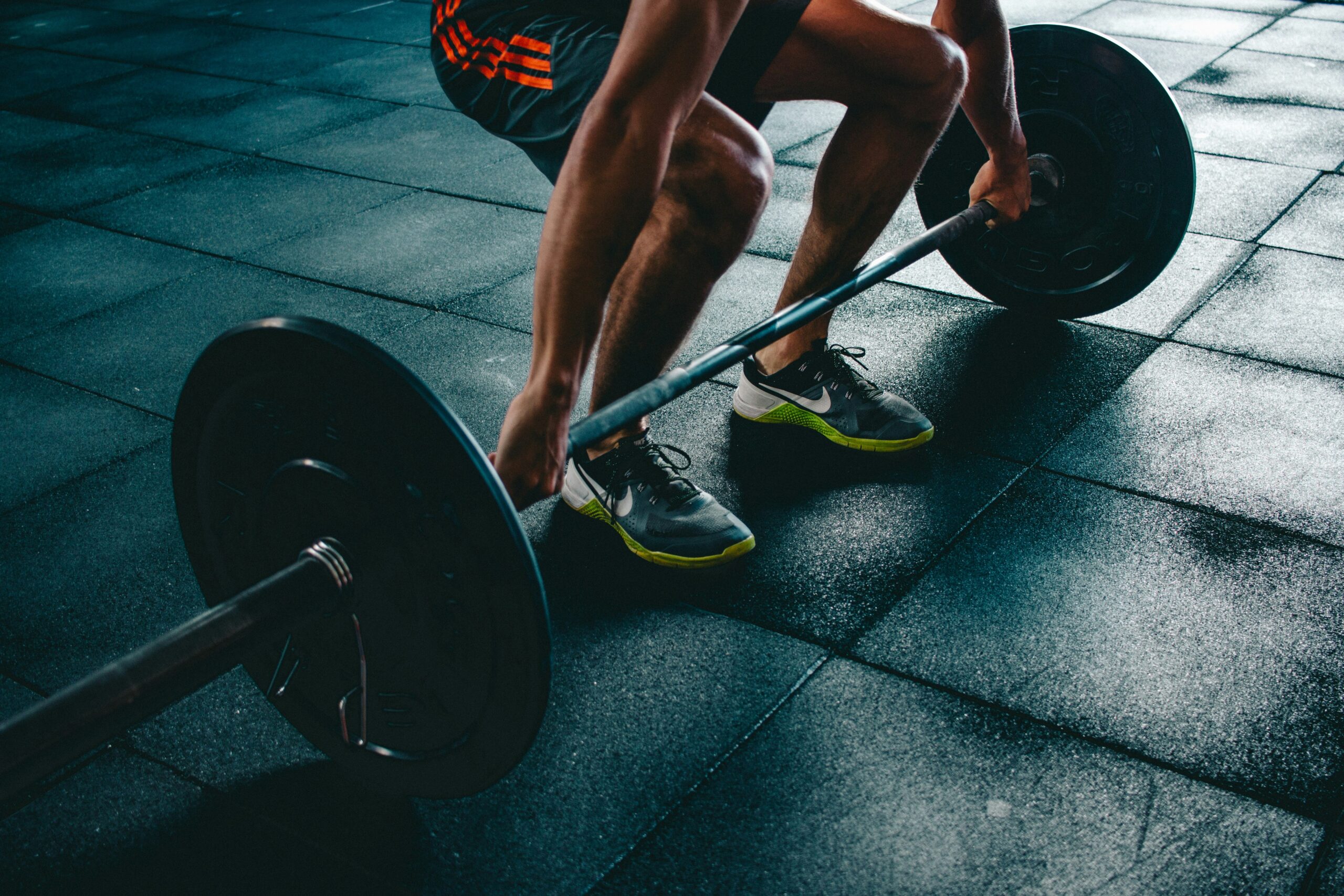
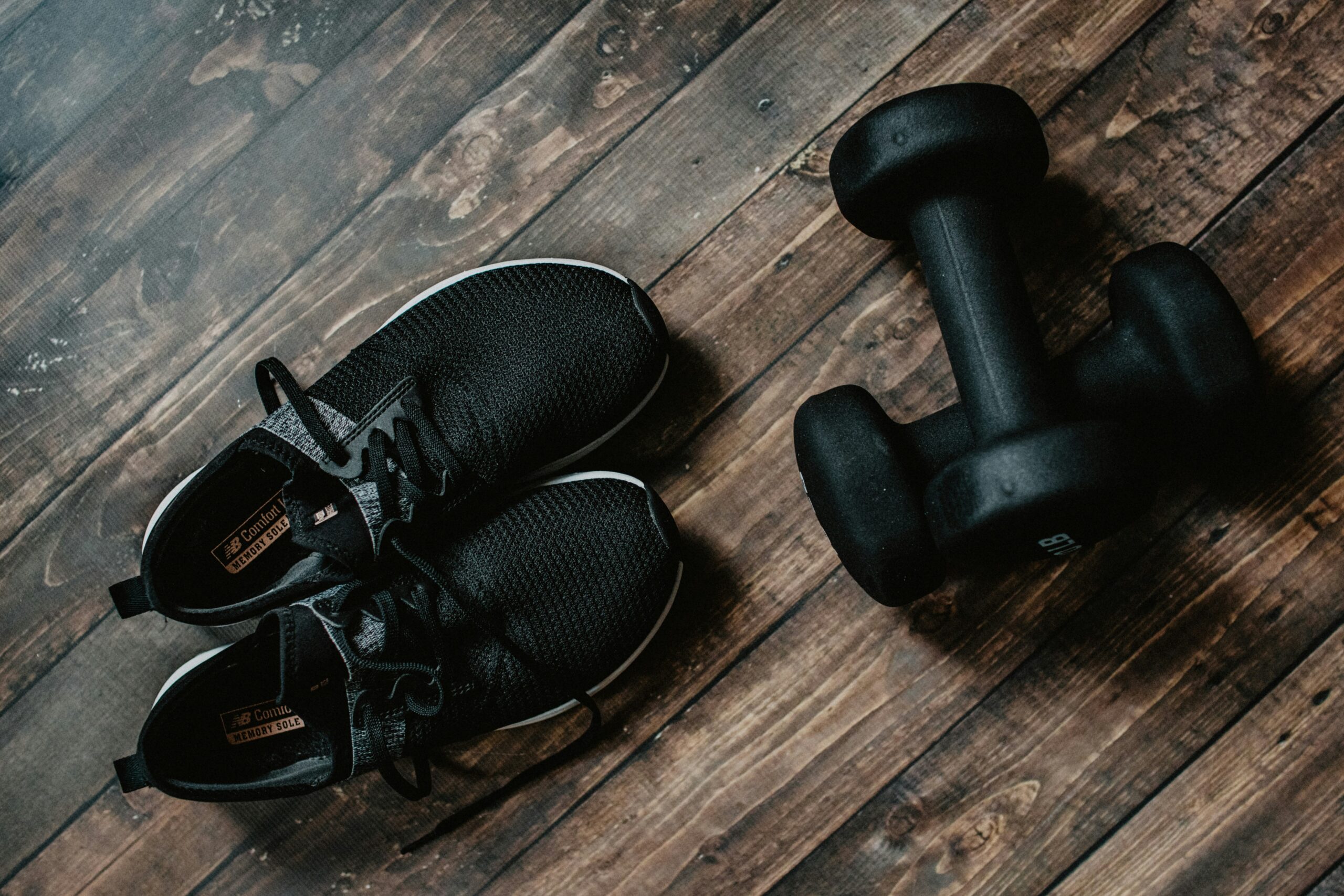
Don’t skip the weights! Strength training isn’t just about building big muscles; it’s about improving your overall body composition, making you feel stronger, and helping with posture – which will be great for all those wedding photos.
Why Strength Training?
Strength training helps sculpt your body, increases your metabolism (meaning you burn more calories even at rest), and improves bone density. For pre-wedding fitness, it’s about feeling toned and strong, not necessarily bulky. It’s also incredibly empowering to feel capable and physically strong.
Focusing on Compound Moves
You’re busy, so make your workouts efficient. This is where compound movements come in. These exercises work multiple muscle groups at once, giving you more bang for your buck in less time. Think movements like squats, lunges, presses (like overhead press or bench press), rows (like bent-over rows), burpees, and various push-up variations. These are foundational exercises that will build functional strength and get your heart rate up too.
Instead of doing bicep curls and then tricep extensions separately, a push-up works your chest, shoulders, and triceps all at once. A squat works your quads, glutes, and core. Incorporating these into your routine means you’re being super efficient with your limited time.
Getting Your Heart Pumping: Cardio and HIIT
Cardio is essential for heart health, endurance, and calorie burn. But you don’t need to spend hours on a treadmill. High-Intensity Interval Training (HIIT) is a fantastic way to get effective cardio in a short amount of time.
The Benefits of Cardio
Regular cardio improves your cardiovascular health, increases your stamina, and can help with stress reduction – something you’ll definitely appreciate during wedding planning. It also helps with overall body fat reduction, contributing to that toned look.
Why HIIT is Your Friend
HIIT involves short bursts of intense exercise followed by brief recovery periods. This can be anything from sprinting for 30 seconds and then walking for 60 seconds, or doing a minute of burpees followed by 30 seconds of rest. The beauty of HIIT is that it’s super effective in a short timeframe. A 20-minute HIIT session can be just as beneficial as a longer, moderate-intensity cardio workout. It keeps your metabolism elevated for hours after your workout too.
Finding Your Flow: Mobility and Yoga
Often overlooked, mobility and flexibility are crucial for preventing injuries, improving your range of motion, and reducing muscle stiffness. Plus, who doesn’t need a little stress relief during wedding planning?
Why Mobility Matters
Good mobility allows your joints to move through their full range of motion, which is important for everyday activities and for performing your strength and cardio exercises correctly. It helps prevent those nagging aches and pains that can derail your progress.
The Power of Yoga and Stretching
Yoga is fantastic for combining strength, flexibility, and mindfulness. Even a short 15-20 minute yoga flow a few times a week can make a big difference in how you feel. If yoga isn’t your thing, simply incorporating regular stretching into your routine will help. Focus on stretching major muscle groups, especially after your workouts when your muscles are warm. This helps with recovery, reduces soreness, and keeps you limber. Think about how much better you’ll feel walking down the aisle without any stiffness!
Designing Your Weekly Workout Structure
Now, how do you put all this together? A simple, consistent weekly structure is your best bet. Remember, we’re aiming for 4-5 workouts a week, each 20-30 minutes long.
A Sample Weekly Blueprint
A common and highly effective pattern looks something like this:
Two to Three Strength Sessions
Aim for 2-3 days dedicated to strength training. You could do a full-body workout each time, or if you prefer, split it into an upper body day and a lower body day. Remember those compound movements!
- Example Strength Session 1 (Full Body):
- Warm-up: 5 minutes of light cardio (jogging in place, jumping jacks) and dynamic stretches (arm circles, leg swings).
- Workout:
- Squats: 3 sets of 10-12 reps
- Push-ups (on knees or toes): 3 sets to failure or 8-12 reps
- Bent-over Rows (using dumbbells or resistance bands): 3 sets of 10-12 reps
- Lunges (alternating legs): 3 sets of 10-12 reps per leg
- Plank: 3 holds for 30-60 seconds
- Cool-down: 5 minutes of static stretches (holding each stretch for 20-30 seconds).
- Example Strength Session 2 (Full Body):
- Warm-up: 5 minutes of dynamic movements.
- Workout:
- Deadlifts (if comfortable, otherwise glute bridges or good mornings): 3 sets of 8-10 reps
- Overhead Press (with dumbbells or resistance bands): 3 sets of 10-12 reps
- Burpees: 3 sets of 8-10 reps
- Bicep Curls & Tricep Dips (or overhead tricep extensions): 3 sets of 12-15 reps each
- Russian Twists: 3 sets of 15-20 reps per side
- Cool-down: 5 minutes of static stretches.
Two Cardio Sessions
Dedicate two days to cardio, and consider making at least one of them a HIIT session for maximum efficiency.
- Example Cardio Session 1 (HIIT):
- Warm-up: 5 minutes light cardio.
- Workout: Choose 3-4 exercises (e.g., jumping jacks, high knees, mountain climbers, burpees). Perform each exercise for 45 seconds intensely, followed by 15 seconds of rest. Complete 3-4 rounds, with 1 minute rest between rounds.
- Cool-down: 5 minutes stretching.
- Example Cardio Session 2 (Steady State):
- Warm-up: 5 minutes light cardio.
- Workout: 20-25 minutes of brisk walking, jogging, cycling, or using an elliptical at a moderate intensity where you can hold a conversation but are still breathing heavily.
- Cool-down: 5 minutes stretching.
One Mobility or Yoga Session
This is your dedicated recovery and flexibility day. It can be a gentle yoga flow, a specific stretching routine, or even just some foam rolling.
- Example Mobility/Yoga Session:
- Focus on gentle stretches for your hips, hamstrings, quads, chest, and shoulders. Hold each stretch for 30 seconds or more. You can find many free yoga or stretching routines online for beginners. A restorative yoga class or guided meditation can also be wonderful for stress relief.
Don’t Forget Rest Days
Crucially, include rest days! Your muscles grow and repair when you’re resting, not when you’re working out. Taking a full day or two off from structured exercise is just as important as the workouts themselves. Active recovery, like a leisurely walk, is fine on these days, but avoid intense exercise.
Beyond the Workout: Supporting Your Efforts
Exercise is only one piece of the puzzle. What you do outside of your workouts significantly impacts your results and overall well-being.
Hydration is Non-Negotiable
This one might sound obvious, but it’s surprising how many people don’t drink enough water. Especially when you’re exercising more, your body needs extra hydration. Water helps with muscle function, nutrient transport, and keeps your energy levels up. A good rule of thumb is to carry a water bottle with you and sip throughout the day. Aim for at least 8 glasses, and more if you’re working out intensely or in a hot environment.
Mindful Nutrition
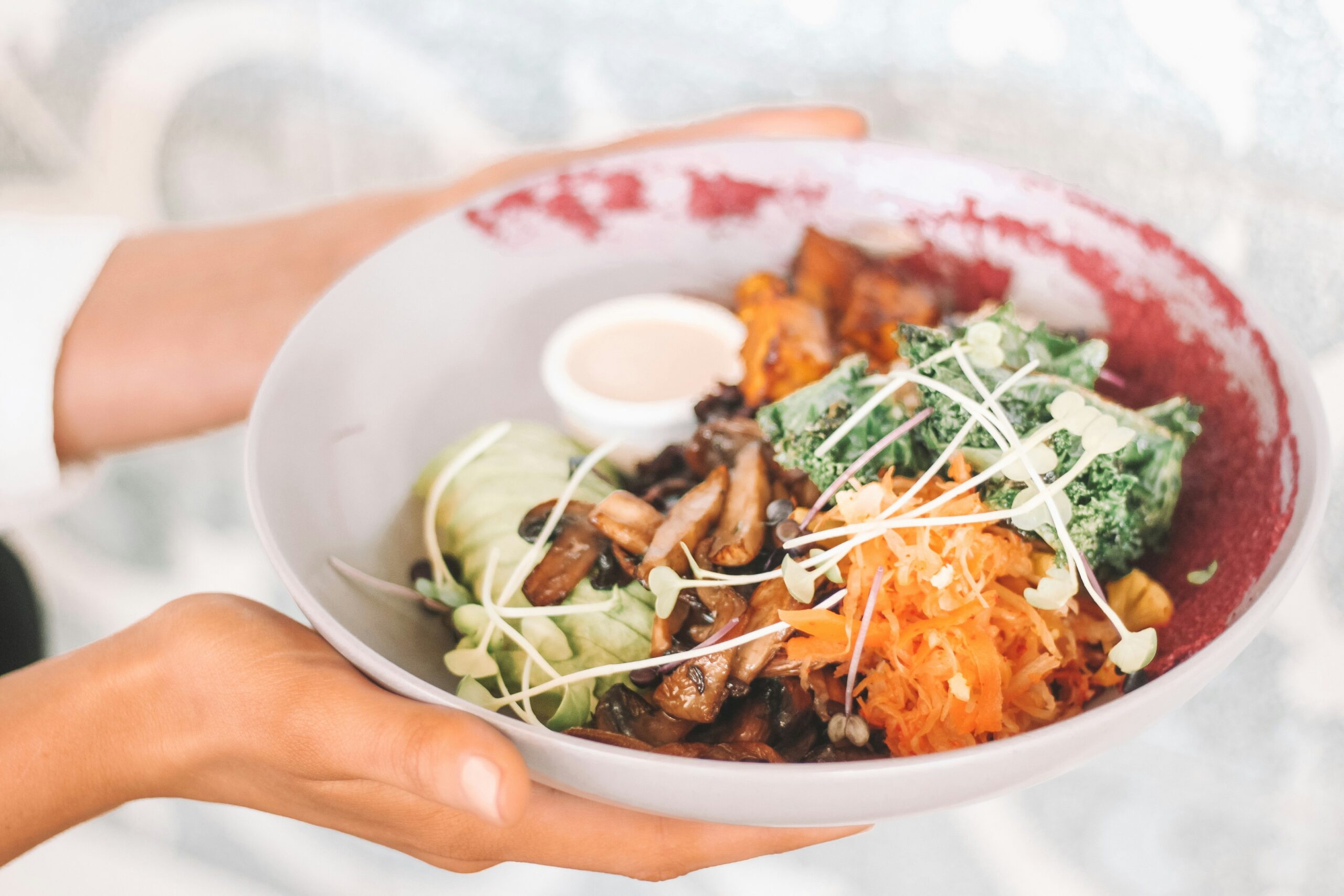
You don’t need a super restrictive diet, but paying attention to what you eat is important. Focus on whole, unprocessed foods. Load up on vegetables, lean proteins, and healthy fats. Reduce processed sugars, excessive unhealthy fats, and refined carbohydrates.
Fueling Your Body Right
Think of food as fuel. Before a workout, a small snack with some carbs (like a banana or a piece of toast) can give you energy. After a workout, protein (like Greek yogurt, chicken, or a protein shake) helps with muscle repair. Listen to your body and adjust your eating habits to support your activity levels. Small, consistent changes to your diet are far more sustainable than drastic crash diets.
Prioritizing Sleep
Wedding planning often means late nights, but try to prioritize sleep as much as possible. Sleep is when your body truly recovers and repairs itself. Aim for 7-9 hours of quality sleep per night. Lack of sleep can mess with your hormones, increase cravings, and make you feel sluggish during workouts.
Staying Consistent and Avoiding Burnout
The biggest challenge with any fitness plan is staying consistent, especially with the added demands of wedding planning.
Set Realistic Goals
Don’t aim for perfection. If you miss a workout, don’t beat yourself up about it. Just get back on track with your next scheduled session. The goal is progress, not perfection.
Find What You Enjoy
If you hate running, don’t force yourself to run every cardio day. There are so many ways to get your heart rate up – dancing, swimming, cycling, hiking, even active video games! Find activities that you genuinely enjoy, and you’ll be much more likely to stick with them.
Buddy Up
If possible, find a workout buddy. This could be your partner, a friend, or even a family member. Having someone to exercise with can provide motivation, accountability, and make workouts more fun.
Be Patient with Yourself
Results take time. Don’t expect to see drastic changes overnight. Focus on how you feel – your energy levels, your strength, your mood – rather than solely on the number on the scale or the size of your clothes. The goal is to feel confident, strong, and healthy for your big day, and that comes from a consistent, balanced approach. You’ve got this!
FAQs
What is a pre-wedding workout?
A pre-wedding workout is a fitness routine that couples engage in before their wedding day to get in shape and feel their best for the big day.
Why is a pre-wedding workout important?
A pre-wedding workout is important as it helps couples feel more confident, reduce stress, and improve their overall health and well-being before their wedding day.
What are some popular pre-wedding workout routines?
Popular pre-wedding workout routines include strength training, cardio exercises, yoga, Pilates, and high-intensity interval training (HIIT) to help couples tone their bodies and increase their fitness levels.
How far in advance should couples start a pre-wedding workout routine?
Couples should ideally start a pre-wedding workout routine at least 3 to 6 months before their wedding day to allow enough time to see results and achieve their fitness goals.
Are there any specific exercises that are recommended for a pre-wedding workout?
Some recommended exercises for a pre-wedding workout include squats, lunges, push-ups, planks, burpees, and running or cycling to target different muscle groups and improve overall fitness.