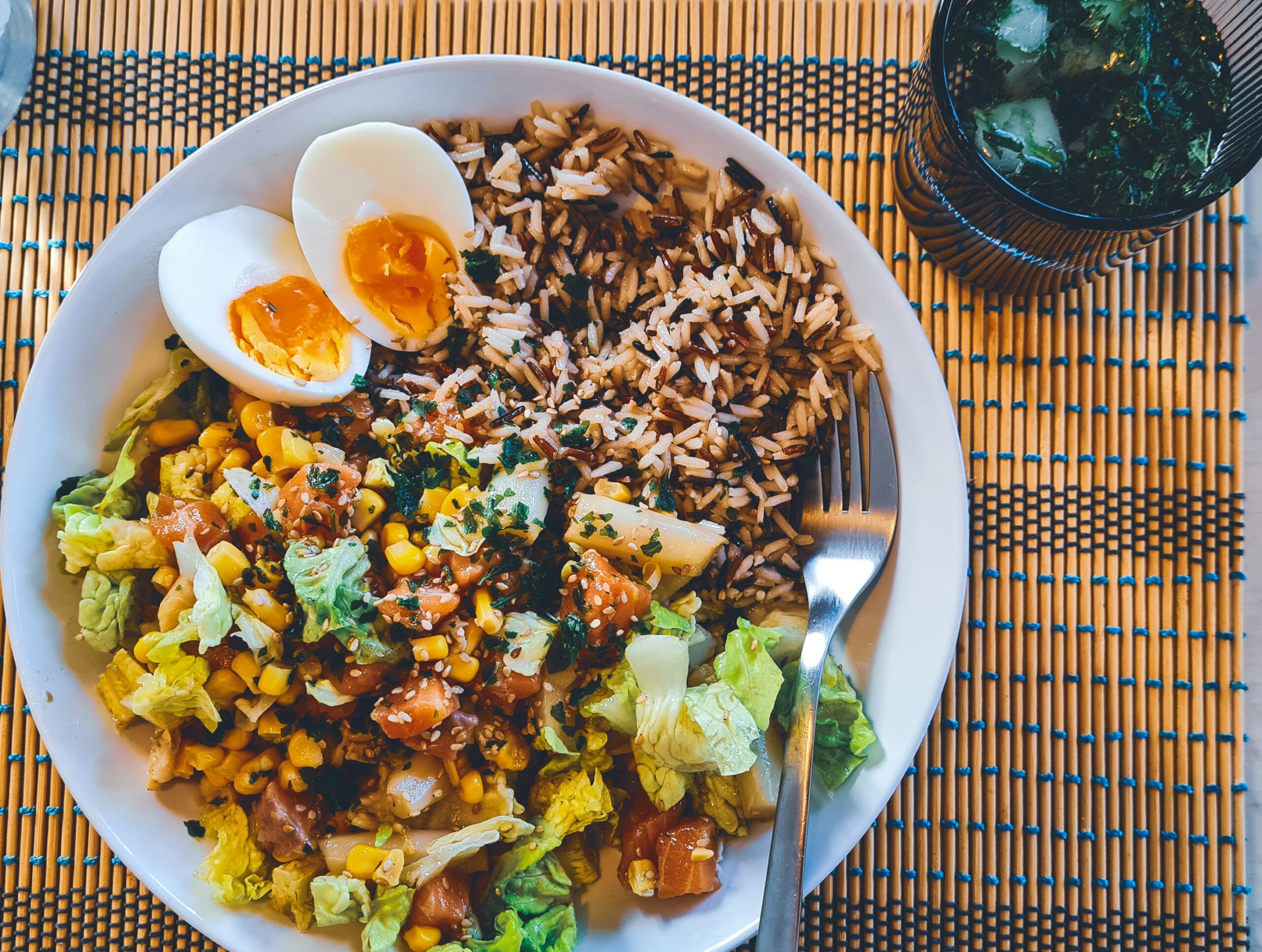
The best post-workout meal generally combines easily digestible carbohydrates and quality protein, with a dash of healthy fats, to replenish glycogen stores, repair muscle tissue, and kickstart recovery. Think beyond just a protein shake; your body needs a full nutritional reboot to truly bounce back strong and energized for your next session.
Why Post-Workout Nutrition Matters
Let’s be real, you put in the work. You pushed yourself, sweat a little (or a lot), and now your body is looking for some TLC. That’s where smart post-workout nutrition comes in. It’s not just about stopping the hunger pangs; it’s about optimizing your body’s recovery processes.
Replenishing Glycogen Stores
When you exercise, especially activities like running, weightlifting, or high-intensity interval training (HIIT), your body uses stored carbohydrates called glycogen for energy. Think of it like your car’s fuel tank. After a good drive, it’s a bit empty. Your muscles and liver store glycogen, and a challenging workout can significantly deplete these stores. Eating carbohydrates after your workout helps refill these tanks, ensuring you have enough energy for your next training session and preventing that “dragged out” feeling.
Muscle Repair and Growth
Exercise, particularly resistance training, causes tiny micro-tears in your muscle fibers. Don’t worry, this is a good thing – it’s how muscles get stronger! However, to repair these tears and encourage new muscle growth, your body needs building blocks, specifically amino acids from protein. Consuming protein after your workout provides these essential amino acids, helping your muscles recover faster and adapt to the stress of training. Without adequate protein, recovery is slowed, and muscle growth can be hampered.
Reducing Muscle Soreness
Ever woken up the day after a tough workout feeling like you’ve been hit by a truck? That’s delayed onset muscle soreness (DOMS). While some soreness is normal, proper nutrition can help mitigate it. By providing your body with the nutrients it needs to repair and recover, you can often lessen the severity and duration of DOMS, making your next workout feel a little less daunting.
Boosting Energy Levels
After a strenuous activity, it’s common to feel tired. Your body has expended a lot of energy. A well-timed post-workout meal or snack helps to stabilize blood sugar levels and replenish energy stores, preventing that post-exercise slump. This means you’ll feel more alert and ready to tackle the rest of your day, rather than wanting to nap immediately.
After an intense workout, choosing the right post-workout meal is crucial for recovery and muscle growth. For those interested in a low-carb approach, you might find it beneficial to explore the 7-Day Keto Diet Menu for Low Carb Living, which offers meal ideas that can help replenish your energy while supporting your fitness goals. This article provides a structured plan that aligns well with the nutritional needs following a workout, ensuring you get the right balance of proteins and fats.
The Key Components of Your Recovery Meal

So, what exactly should you be looking for in that post-workout meal? It’s not rocket science, but there are a few key components that work together synergistically to give you the best results.
Carbohydrates: The Energy Replenishers
Carbohydrates are your primary source of energy, and they’re crucial for refilling those glycogen stores we talked about. The type of carbohydrates you choose can make a difference.
Fast-Acting vs. Slow-Acting Carbs
Immediately after a workout, especially if it was intense, your body is primed to absorb nutrients quickly. This is where “fast-acting” carbohydrates come in handy. These are carbs that are digested and absorbed relatively quickly, leading to a faster replenishment of muscle glycogen. Examples include white rice, potatoes, fruit, and even some sports drinks (though real food is often preferred).
Later on, or as part of a larger meal, “slow-acting” or complex carbohydrates are great. These provide a more sustained release of energy and are packed with fiber and other nutrients. Think oats, whole grains, sweet potatoes, and legumes. While the “anabolic window” for carbohydrate absorption is often discussed, focusing on getting quality carbs in within a few hours of your workout is generally sufficient for most people.
Protein: The Muscle Builders
Protein is non-negotiable for muscle repair and growth. It supplies the amino acids necessary to rebuild damaged muscle tissue and synthesize new muscle proteins.
Complete vs. Incomplete Proteins
Aim for complete proteins whenever possible. These contain all nine essential amino acids that your body can’t produce on its own. Animal sources like meat, poultry, fish, eggs, and dairy are all complete proteins. Plant-based complete proteins include quinoa, soy products (tofu, tempeh, edamame), and some combinations of foods (e.g., rice and beans). If you’re plant-based, make sure to get a variety of protein sources throughout the day.
Protein Timing and Amount
While the exact timing of protein intake has been debated, consuming 20-40 grams of protein within a few hours post-workout seems to be a good target for most individuals to maximize muscle protein synthesis. This doesn’t mean you have to chug a shake the second you step out of the gym; a meal containing adequate protein within an hour or two is perfectly fine.
Fats: The Supporting Role
Often, people try to avoid fats post-workout, thinking they slow down nutrient absorption. While very high amounts of fat can indeed slow digestion, a moderate amount of healthy fats is beneficial and shouldn’t be completely excluded from your recovery meal.
Benefits of Healthy Fats
Healthy fats contribute to satiety, provide essential fatty acids, and can help with overall nutrient absorption. They also play a role in hormone production and reducing inflammation. Sources include avocados, nuts, seeds, olive oil, and fatty fish. Don’t go overboard, but don’t fear them either. A small amount of healthy fat integrated into your post-workout meal is a good idea.
Top Food Choices for Optimal Recovery

Now that we know what to eat, let’s talk about what foods fit the bill. Here are some excellent choices that combine carbs, protein, and healthy fats effectively.
Greek Yogurt with Berries and Granola
This is a classic for a reason. Greek yogurt is packed with protein (often double that of regular yogurt), and it also contains beneficial probiotics. Berries provide fast-acting carbohydrates and antioxidants, which can help combat exercise-induced oxidative stress. A sprinkle of granola adds more complex carbs and a satisfying crunch.
Chicken and Sweet Potato
A truly wholesome meal. Chicken breast (or thigh) provides high-quality lean protein. Sweet potatoes are fantastic complex carbohydrates, rich in vitamins, minerals, and fiber. This combination offers sustained energy and excellent muscle repair. You can roast, grill, or bake them for a delicious and easy meal.
Salmon with Quinoa and Roasted Vegetables
Salmon is a powerhouse. It’s an excellent source of complete protein and, crucially, omega-3 fatty acids. Omega-3s are known for their anti-inflammatory properties, which can aid in recovery and reduce muscle soreness. Quinoa is a complete protein itself and a great source of complex carbohydrates. Adding some roasted vegetables (broccoli, bell peppers, asparagus) boosts your vitamin and mineral intake.
Eggs and Whole-Grain Toast with Avocado
Eggs are one of nature’s perfect proteins, containing all essential amino acids. They’re also versatile and quick to prepare. Pair them with whole-grain toast for complex carbohydrates and fiber. A slice or two of avocado adds healthy monounsaturated fats, along with potassium and other beneficial nutrients. This is a fantastic option for a post-morning workout.
Cottage Cheese with Fruit
Another dairy superstar, cottage cheese is high in casein protein, which is a slow-digesting protein. While often recommended before bed for sustained amino acid release, it’s also a great post-workout option, especially if you’re not eating again for a few hours. Pair it with some fruit like pineapple or peaches for a carb boost and natural sweetness.
Protein Smoothie with Banana and Spinach
For those times when you need something quick and easy, a protein smoothie is a lifesaver. Blend protein powder (whey, casein, or plant-based) with a banana (for quick carbs and potassium), a handful of spinach (for hidden greens and nutrients), and a liquid base like milk or unsweetened almond milk. You can also add a tablespoon of chia seeds or flax seeds for healthy fats and fiber.
Rice Cakes with Nut Butter and Honey
If you’re looking for a lighter snack that’s still effective, rice cakes offer easily digestible carbohydrates. Top them with a good quality nut butter (peanut, almond, cashew) for protein and healthy fats, and a drizzle of honey for additional quick carbs and a touch of sweetness.
Edamame (Steamed or Roasted)
Edamame is a fantastic plant-based protein source, offering fiber and essential amino acids. It’s also a good source of carbohydrates. Steamed or lightly roasted edamame pods make for a convenient and satisfying post-workout snack.
Lentil Soup
Lentils are an excellent source of plant-based protein and complex carbohydrates, along with plenty of fiber. A hearty lentil soup, perhaps with some added vegetables, can be a comforting and highly nutritious post-workout meal, especially in colder weather.
Practical Tips for Your Post-Workout Meal
Knowing what to eat is one thing, but making it happen consistently is another. Here are some practical tips to make your post-workout nutrition routine simple and effective.
Timing Your Meal
While the “anabolic window” used to be considered very narrow (30 minutes post-workout), current research suggests a broader window of 1-3 hours is generally sufficient for most people. The most important thing is to get something in. If you’re starving immediately after, eat a small snack. If you can wait for a full meal, that’s fine too. Consistency over perfection is key here. Don’t stress too much about hitting an exact minute mark.
Hydration is Key
Don’t forget about water! You lose a lot of fluids through sweat during exercise. Rehydrating properly is just as crucial as refueling with food. Drink plenty of water before, during, and after your workout. For longer or more intense sessions, an electrolyte drink can be beneficial to replace lost salts.
Listen to Your Body
Everyone is different. Your ideal post-workout meal might vary based on the intensity and duration of your workout, your personal preferences, dietary restrictions, and overall goals. Experiment with different foods and timings to see what makes you feel best and supports your recovery. Some people prefer a liquid meal like a smoothie right away, while others prefer a solid meal after showering.
Meal Prepping for Success
Planning ahead can make a huge difference. If you know you’ll be short on time after a workout, prep your recovery meal in advance. Cook a batch of chicken and sweet potatoes on Sunday, or assemble smoothie packs in the freezer. Having healthy options readily available prevents you from reaching for less ideal choices out of convenience or extreme hunger.
Don’t Overthink It
It’s easy to get caught up in the minutiae of nutrition, but remember the fundamentals: lean protein and complex carbohydrates. Don’t feel like every single post-workout meal needs to be gourmet. A simple chicken breast with rice or a protein shake with a banana is perfectly adequate and effective. Focus on consistency and quality ingredients rather than striving for unattainable perfection.
After an intense workout, choosing the right meal can significantly enhance recovery and muscle growth. For those looking to optimize their post-workout nutrition, it’s essential to consider meals that are rich in protein and healthy fats. A great resource for meal planning is an article that outlines a simple keto diet plan for beginners. You can read more about it here, which provides insights on how to effectively incorporate keto-friendly foods into your diet while ensuring you meet your nutritional needs after exercising.
Beyond the Meal: The Full Recovery Picture
| Meal | Protein (g) | Carbohydrates (g) | Fats (g) | Calories | Benefits |
|---|---|---|---|---|---|
| Grilled Chicken with Quinoa and Veggies | 35 | 40 | 8 | 400 | High protein for muscle repair, complex carbs for energy replenishment |
| Greek Yogurt with Berries and Honey | 20 | 30 | 2 | 250 | Probiotics for gut health, antioxidants from berries |
| Salmon with Sweet Potato | 30 | 35 | 12 | 450 | Omega-3 fatty acids for inflammation reduction, complex carbs |
| Protein Shake with Banana | 25 | 27 | 3 | 300 | Quick digestion, replenishes glycogen, supports muscle recovery |
| Egg Omelette with Whole Grain Toast | 28 | 30 | 10 | 380 | High-quality protein, fiber-rich carbs for sustained energy |
While nutrition plays a massive role, it’s part of a larger recovery puzzle. Thinking about these other factors can further enhance your results and well-being.
Prioritizing Sleep
Good quality sleep is arguably one of the most underrated recovery tools. During sleep, your body goes into repair mode, releasing growth hormone and repairing muscle tissue. Aim for 7-9 hours of quality sleep per night to allow your body to fully recover and rebuild. Skimping on sleep will hinder your progress, no matter how perfect your nutrition is.
Stress Management
Chronic stress can negatively impact recovery by increasing cortisol levels, which can break down muscle tissue and impede repair. Incorporate stress-reducing activities into your routine, such as meditation, yoga, spending time in nature, or simply enjoying a relaxing hobby. A calm mind supports a healthy body.
Active Recovery and Mobility
Gentle movement, such as walking, light cycling, or stretching, can aid in recovery by increasing blood flow to muscles and helping to clear metabolic waste products. Mobility work, like foam rolling or dynamic stretching, can improve range of motion and reduce stiffness. Don’t just sit on the couch; a little active recovery can go a long way.
Consistency Over Perfection
In the grand scheme of things, what you do consistently matters far more than what you do occasionally. Don’t beat yourself up if you miss a perfect post-workout meal once in a while. Focus on making smart choices most of the time. Over time, these consistent efforts will compound and lead to significant improvements in your recovery, performance, and overall health.
Remember, your post-workout meal isn’t just about fuel; it’s an investment in your next workout, your muscle growth, and your overall well-being. Choose wisely, listen to your body, and enjoy the benefits of smart nutrition.