Category: Uncategorized

  • Get Fit for Your Big Day: Bridal Fitness Tips

    Get Fit for Your Big Day: Bridal Fitness Tips

    So, you’re getting married! Congratulations! It’s completely normal to want to feel your absolute best on your big day, and that often includes getting a little fitter. The good news is, it doesn’t have to be a stressful ordeal. Most experts agree that starting a fitness plan about 3 to 6 months before your wedding is ideal, giving you ample time to build healthy habits and see real results without resorting to anything drastic. Some even suggest kicking things off a bit earlier, around 6 to 12 months out, if you’re looking for more significant changes. The key here is planning ahead and being consistent.

    Building a Solid Foundation: Strength Training Takes Center Stage

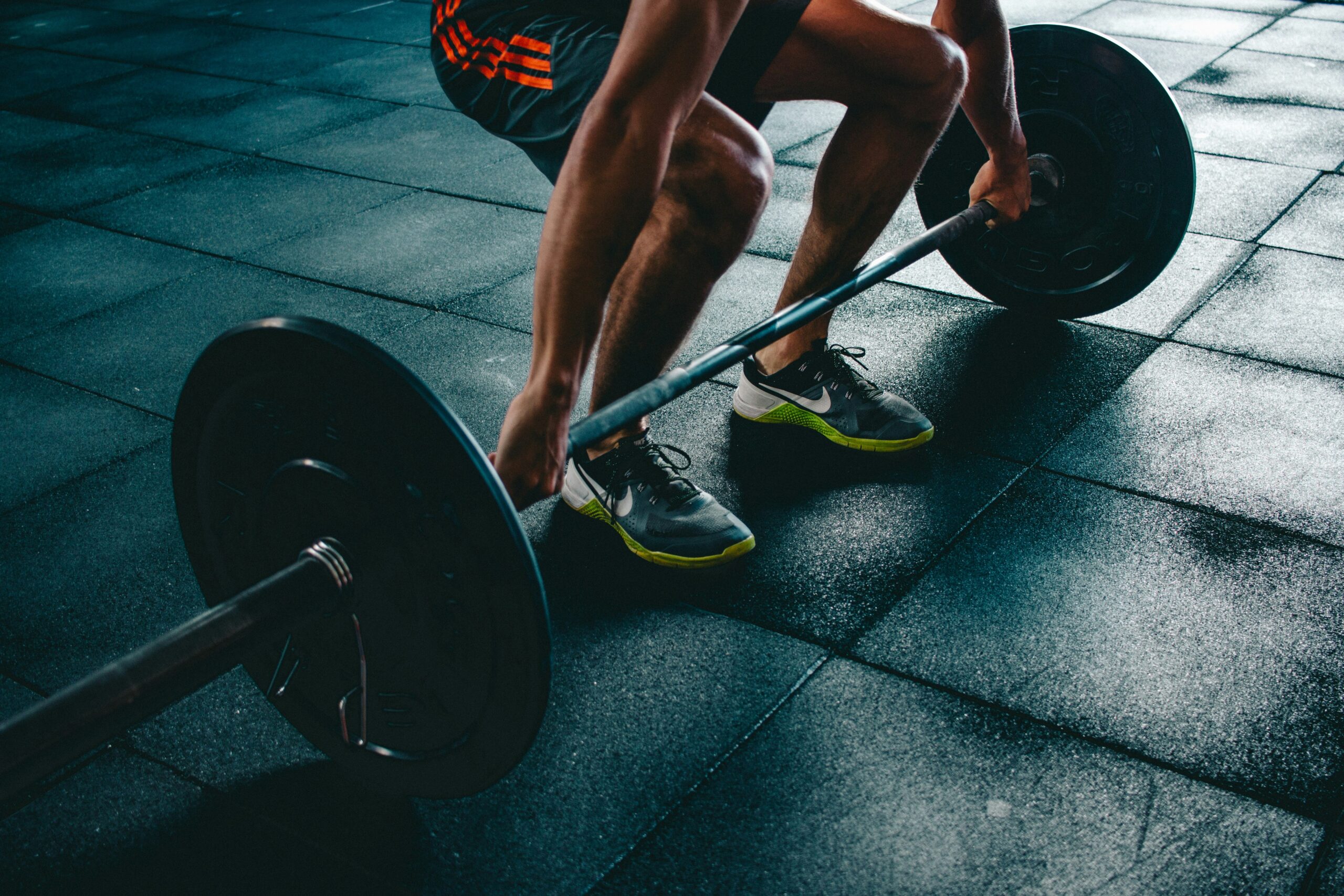
    Forget the idea that wedding fitness is all about endless hours on the treadmill. The latest advice strongly emphasizes strength training, and for good reason. This type of exercise builds lean muscle, which not only sculpts your body but also boosts your metabolism, helping you burn more calories even at rest. It’s about creating a strong, toned physique that will look fantastic in your wedding attire.

    Full-Body Focus: What to Target

    The current trend is towards full-body strength workouts. This means hitting all the major muscle groups, not just the ones you might instinctively think of. Think about targeting:

    • Back and Shoulders: Crucial for posture, which is key for photos and feeling confident. Strong shoulders also help with strapless or sleeveless dress styles.
    • Arms: For those elegant arm poses and the feeling of toned arms in your gown.
    • Glutes: Important for a balanced physique and essential for fitted dresses like mermaid or trumpet styles.
    • Core: A strong core isn’t just about aesthetics; it improves posture, stability, and can even help with breathing exercises for wedding day nerves.

    Crafting Your Weekly Routine: A Balanced Approach

    To get the most out of your fitness efforts without burning out, a balanced weekly routine is your best friend. The current recommendation often looks something like this:

    • Strength Training: Aim for 2 to 3 sessions per week.
    • Cardio: Include 2 sessions of cardiovascular exercise.
    • Mobility/Yoga: Dedicate 1 session to improve flexibility and reduce stress.
    • Rest Days: Crucially, schedule 1 to 2 full rest days to allow your body to recover and rebuild.

    This structure ensures you’re working your muscles, improving your cardiovascular health, and giving your body the downtime it needs.

    Making it Work: Consistency Over Intensity

    Life gets busy, especially when wedding planning is in full swing. The key is to make your workouts realistic and, more importantly, consistent.

    • Schedule Like Appointments: Treat your workouts as non-negotiable appointments in your calendar.
    • Short Backup Sessions: If you’re short on time, don’t skip your workout altogether. Have a few 15 to 20-minute home workouts ready to go. This could be a quick bodyweight circuit, a short yoga flow, or even a brisk walk around the block. Consistency with shorter sessions is far more effective than sporadic long ones.

    Moving Your Body: Beyond the Gym

    While structured workouts are important, incorporating more everyday movement into your life is also a fantastic way to boost your fitness. These activities are often lower stress and can be more enjoyable, making them easier to stick with.

    Low-Stress, High-Reward Activities

    Several recent trends highlight the benefits of integrating more gentle, enjoyable forms of movement:

    • Walking: Simply adding more walking to your day is a great starting point. Whether it’s a dedicated walk in the park, walking during your lunch break, or taking the stairs, it all adds up.
    • Hiking: If you have access to trails, hiking is a wonderful way to get cardio and enjoy nature.
    • Dancing: Taking a dance class or just dancing around your living room can be a fun way to burn calories and improve coordination.
    • Swimming: A low-impact, full-body workout that’s great for overall fitness.
    • Cycling: Whether outdoors or on a stationary bike, cycling is an excellent cardiovascular exercise.

    These activities help you stay active without the intense stress that can sometimes come with hardcore gym routines, promoting a healthier overall approach.

    Dressing for Success: Tailoring Your Training

    This is where wedding fitness gets really practical and personal. Your wedding dress is a big part of your day, and you can actually tailor some of your fitness focus to highlight its features.

    Highlighting Your Silhouette

    Think about the style of your wedding gown and how you can complement it with your fitness:

    • Strapless or Sleeveless Dresses: If your dress exposes your shoulders and upper chest, focus on exercises that strengthen and tone these areas. Think overhead presses, lateral raises, and push-ups (even modified ones). A strong back will also improve your posture and make these areas look even more elegant.
    • Fitted or Mermaid Styles: If your gown is more form-fitting through the waist and hips, focusing on your glutes and core becomes even more important. Squats, lunges, glute bridges, and planks will help create a smooth, sculpted silhouette.
    • Backless Dresses: These styles call for good posture and a strong, toned back. Exercises like rows (using dumbbells or resistance bands), supermans, and pull-ups (if you can manage them) are excellent for this.

    It’s not about dramatically changing your body shape, but rather about enhancing the natural beauty of your chosen dress and feeling confident in how you look.

    Beyond the Sweat: Recovery and Wellbeing

    Fitness is only one piece of the puzzle. True bridal wellness encompasses looking after your body and mind as a whole, especially during a potentially stressful time.

    Prioritizing Self-Care

    Modern bridal fitness advice heavily integrates self-care practices alongside exercise:

    • Sleep: Aim for 7–9 hours of quality sleep each night. This is when your body repairs itself and recharges, which is crucial for muscle recovery and overall energy levels.
    • Hydration: Drink plenty of water throughout the day. It aids digestion, keeps your skin clear, and supports all bodily functions.
    • Stress Management: Wedding planning can be overwhelming. Incorporate activities that help you de-stress, such as meditation, deep breathing exercises, spending time in nature, or engaging in hobbies.
    • Meditation and Mindfulness: Even a few minutes of daily meditation can make a significant difference in managing stress and staying present.
    • Gentle Evening Routines: Winding down before bed is important. Avoid screens, try a warm bath, read a book, or listen to calming music.

    These elements work together to ensure you’re not just physically fit, but also mentally and emotionally ready to enjoy your special day.

    The Golden Rule: Avoid the Crash Course

    This is perhaps the most important piece of advice. There’s a strong emphasis on avoiding last-minute, extreme diets or workout plans.

    Healthy Habits for Lasting Results

    Instead of trying to cram in drastic changes, focus on sustainable, healthy habits:

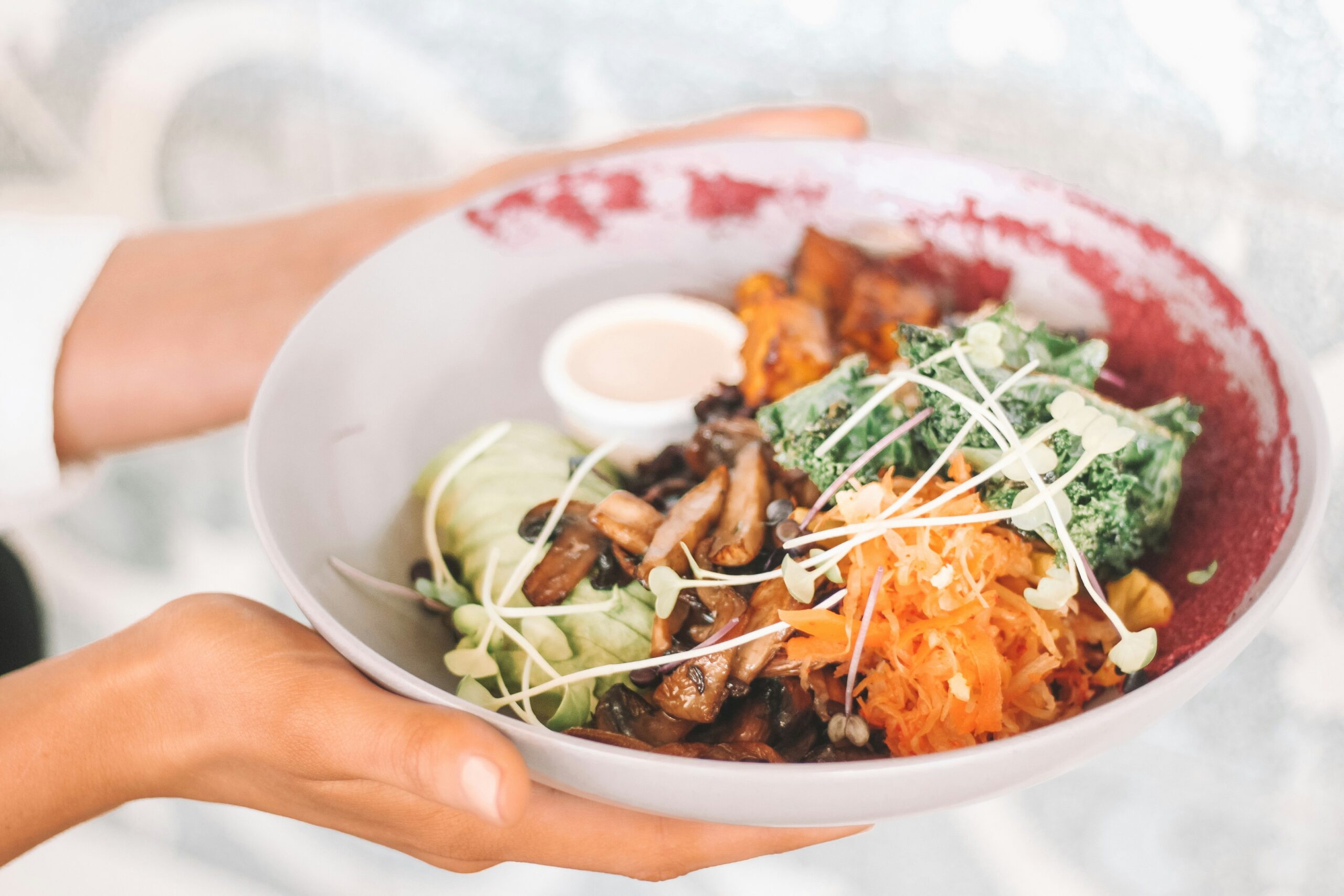
    • Healthy Eating: This means focusing on nutrient-dense foods. Think lean proteins, plenty of fruits and vegetables, whole grains, and healthy fats.
    • Enough Protein: Ensure you’re getting adequate protein to support muscle repair and satiety. This is vital for strength training and overall health.
    • Consistency is Key: The steady, consistent effort over several months will yield far better and more sustainable results than any quick fix. Your body will thank you for it, and you’ll feel genuinely good, not just temporarily “dieted.”

    Remember, the goal is to feel confident, strong, and happy as you walk down the aisle. It’s about celebrating your love and your journey, and a healthy, balanced approach to fitness will help you do just that.

    FAQs

    What is bridal fitness?

    Bridal fitness refers to the process of getting in shape and improving overall health and wellness in preparation for a wedding.

    Why is bridal fitness important?

    Bridal fitness is important as it helps brides feel confident and look their best on their wedding day. It also promotes a healthy lifestyle and can reduce stress during the wedding planning process.

    What are some common bridal fitness goals?

    Common bridal fitness goals include toning up, losing weight, improving endurance, increasing strength, and enhancing flexibility.

    How far in advance should a bride start a bridal fitness routine?

    It is recommended that brides start a bridal fitness routine at least 3-6 months before the wedding to allow for gradual progress and avoid crash dieting or extreme exercise.

    What are some popular bridal fitness activities?

    Popular bridal fitness activities include strength training, cardio workouts, yoga, Pilates, dance classes, and outdoor activities like hiking or cycling.

  • Bridal Body Transformation: Get Fit for Your Big Day

    Bridal Body Transformation: Get Fit for Your Big Day

    Getting fit for your wedding day doesn’t have to be a stressful sprint. It’s really about feeling your best, inside and out, as you walk down the aisle. The good news is, there are lots of practical ways to approach this, from mindful eating and smart workouts to understanding how new trends, like GLP-1 medications, might fit into the picture. The key is to start early, be kind to yourself, and focus on sustainable habits rather than last-minute extremes.

    For many, the idea of a “bridal body” brings up a mix of excitement and pressure. It’s natural to want to look and feel amazing on such a significant day. However, it’s important to differentiate between genuinely wanting to improve your health and fitness, and feeling pressured by unrealistic ideals.

    Shifting Focus from Perfection to Well-being

    Instead of aiming for some mythical “perfect” body, think about what truly makes you feel strong, energized, and confident. Is it being able to dance all night without feeling winded? Is it having glowing skin? Or simply feeling comfortable and beautiful in your dress? When you shift your focus from external perfection to internal well-being, the entire process becomes much more enjoyable and sustainable. This isn’t about fitting into a certain size just for one day, but about building habits that will serve you long after the confetti settles.

    Navigating External Pressures

    Wedding planning can come with a lot of unsolicited advice and societal expectations. It’s easy to get caught up in comparing yourself to others or feeling like you need to conform to certain beauty standards. Remember, this is your wedding, and your body. Tune out the noise and listen to what feels right for you. Surround yourself with supportive people who celebrate you, not just a particular image of you.

    The Role of GLP-1 Medications in Wedding Prep

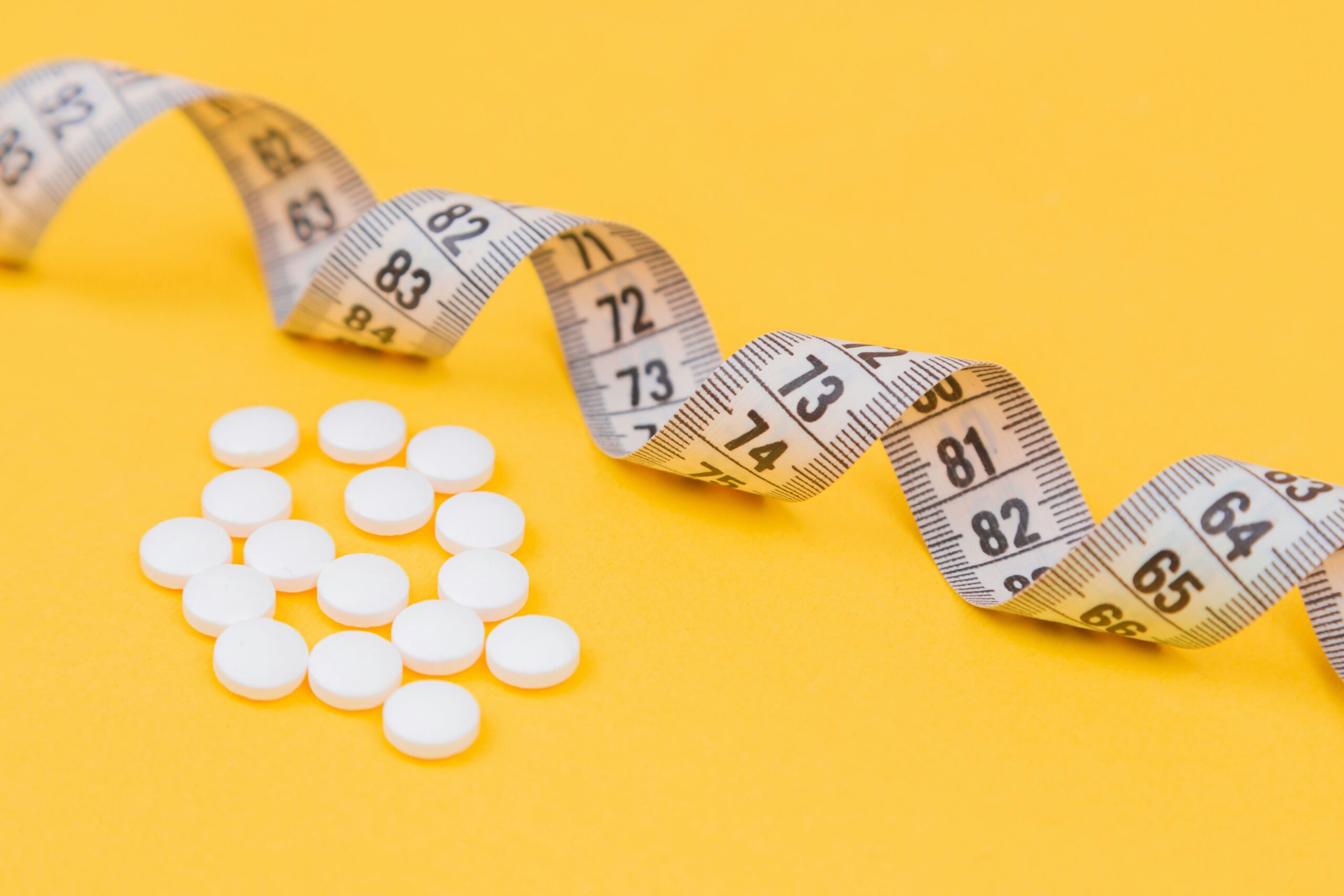
    In recent times, a significant shift has been observed in how some individuals approach pre-wedding weight loss, largely due to the emergence of GLP-1 drugs like Wegovy, Ozempic, and Mounjaro. These medications, originally developed for diabetes management, have proven effective for weight loss.

    Rapid Weight Changes and Retailer Adaptations

    Bridal retailers are certainly noticing a trend. They’re reporting more rapid size changes among brides, leading to faster order rushes and a greater need for alterations. This means that if you’re considering using these medications, it’s wise to communicate this early with your bridal shop. Some shops are even adapting their policies; for example, David’s Bridal launched a Fit Guarantee in May 2026, and some retailers are asking customers to sign waivers for dresses that don’t yet fit, acknowledging the potential for significant size fluctuations. This highlights the importance of open communication with your dress consultants and seamstresses. Planning for multiple fittings and understanding the alteration policy upfront will save you a lot of stress down the line.

    A Growing Trend in Wedding Planning

    The impact of GLP-1 medications isn’t just anecdotal. Data from the wedding industry confirms this trend. A Zola survey, reported by The Boston Globe, indicated that 10% of couples planning 2026 weddings said they were currently taking a GLP-1 medication. This isn’t a niche phenomenon; it’s becoming a notable part of the wedding preparation landscape for a significant number of people.

    “Mounjaro Bride” Packages and Global Reach

    The phenomenon has even expanded globally. Clinics in India, for instance, are now actively marketing “Mounjaro bride” programs. These packages often bundle the medication with complementary services like nutrition counseling, personalized workout plans, and even beauty preparations, catering to both brides and grooms. This integrated approach suggests a growing acceptance and institutionalization of GLP-1 drugs as part of a comprehensive pre-wedding wellness strategy in certain regions.

    Important Considerations for GLP-1 Use

    While GLP-1 drugs can be effective for weight loss, they are serious medications and should always be discussed with a healthcare professional. They come with potential side effects and aren’t suitable for everyone. It’s crucial to understand the risks and benefits, as well as how they might interact with your overall health and wedding timeline. Don’t view them as a quick fix, but rather as a medical tool that requires careful consideration and ongoing medical supervision.

    The Foundation: Gradual and Sustainable Prep

    While newer options like GLP-1 drugs are changing the landscape, fitness experts continue to advocate for a more traditional, sustainable approach to pre-wedding fitness. This tried-and-true method focuses on building healthy habits that extend beyond the wedding day.

    Start Early: The Golden Rule

    Perhaps the most crucial piece of advice is to start early. This gives you ample time to make gradual changes, avoid extreme measures, and adapt to your new routine without feeling rushed or overwhelmed. Aim for at least 6-12 months before your wedding. This timeframe allows for consistent progress, whether that’s losing weight, building strength, or simply improving your overall fitness levels, without the pressure of an impending deadline. Early planning also provides a buffer for any plateaus or setbacks you might encounter.

    Building Strength and Tone

    Strength training isn’t just for bodybuilders; it’s incredibly beneficial for everyone, especially brides-to-be. Building lean muscle mass helps you burn more calories at rest, improves your posture (which is fantastic for photos!), and gives you a toned, sculpted look.

    Incorporating Resistance Training

    Aim for 2-3 strength training sessions per week. This could involve using weights at the gym, bodyweight exercises at home, or resistance bands. Focus on compound movements that work multiple muscle groups, such as squats, deadlifts, lunges, push-ups, and rows. These are efficient and effective. Don’t be afraid to lift challenging weights; you won’t “bulk up” unless you’re intentionally trying to. The goal is to build strength and definition. If you’re new to strength training, consider working with a certified trainer for a few sessions to learn proper form and prevent injuries.

    Mobility Work for Grace and Ease

    Beyond just strength, incorporating mobility work is essential. This includes stretching, foam rolling, and dynamic movements that improve your range of motion and flexibility. Better mobility can help you feel more graceful and comfortable in your dress, especially for movements like dancing or posing for photos. It also helps prevent aches and stiffness, which you definitely don’t want on your big day. Think about incorporating yoga, Pilates, or simple daily stretches into your routine. Even 10-15 minutes a few times a week can make a big difference.

    Nutrition: Fueling Your Body, Not Depriving It

    When it comes to nutrition, the focus should be on nourishing your body, not depriving it. Crash diets are rarely sustainable and can lead to nutrient deficiencies and rebound weight gain.

    Prioritizing Whole Foods

    Fill your plate with whole, unprocessed foods. This means plenty of fruits, vegetables, lean proteins (chicken, fish, tofu, beans), and whole grains (oats, brown rice, quinoa). These foods are packed with nutrients, fiber, and keep you feeling full and satisfied. Try to cook more at home so you have control over ingredients and portion sizes.

    Hydration is Key

    Water is crucial for overall health, skin elasticity, and even managing hunger. Aim to drink at least 8 glasses of water a day, more if you’re exercising. Keep a water bottle handy and sip throughout the day. Sometimes, what feels like hunger is actually just thirst.

    Mindful Alcohol Consumption

    Reducing alcohol intake can have a significant impact on your fitness goals. Alcoholic beverages often contain empty calories, can disrupt sleep, and may increase cravings for unhealthy foods. While you don’t necessarily have to cut it out entirely, being mindful of how much and how often you drink can make a big difference. Consider alternating alcoholic drinks with water, or setting specific days for indulgence.

    The Power of Rest and Recovery

    Often overlooked, sleep and recovery are just as important as diet and exercise. Your body needs time to repair and rebuild, especially when you’re increasing your physical activity.

    Prioritizing Quality Sleep

    Aim for 7-9 hours of quality sleep per night. Lack of sleep can mess with your hormones, increasing cravings for unhealthy foods and making it harder to lose weight. Establish a consistent sleep schedule, create a relaxing bedtime routine, and make your bedroom a sanctuary for rest. This means dimming the lights, avoiding screens an hour before bed, and keeping the room cool and dark.

    Stress Management Techniques

    Wedding planning can be incredibly stressful, and chronic stress can lead to weight gain and poor health. Incorporate stress-reducing activities into your routine, such as meditation, deep breathing exercises, spending time in nature, or engaging in hobbies you enjoy. Taking breaks and prioritizing self-care will not only benefit your physical health but also your mental well-being during this busy time.

    Beyond Physical: Mental and Emotional Well-being

    Your wedding journey isn’t just about physical transformation; it’s deeply intertwined with your mental and emotional state. Feeling good on your wedding day means feeling confident, happy, and truly present.

    Cultivating Body Positivity

    It’s easy to get caught up in chasing an “ideal” image. Instead, focus on cultivating body positivity and appreciation for what your body can do. Celebrate small victories, like increased energy or stronger muscles, rather than just focusing on the number on the scale. Learn to love and accept your body at every stage of your journey. This mindset will not only make the process more enjoyable but will also ensure you radiate confidence on your special day.

    Setting Realistic Expectations

    Avoid comparing yourself to others or setting unrealistic goals. Everyone’s body is different, and what works for one person may not work for another. Be patient with yourself and celebrate progress, no matter how small. Remember that sustainable change takes time. Focus on making healthy choices that you can maintain long-term, rather than aiming for quick fixes that are difficult to sustain. Your goal should be to feel your best, not to achieve an unattainable ideal.

    Finding Support and Accountability

    Embarking on a fitness journey can be challenging, but you don’t have to do it alone. Seek support from your partner, family, or friends. Consider working with a fitness trainer or a nutritionist who can provide personalized guidance and accountability. Joining a fitness class or a group challenge can also provide motivation and a sense of community. Having a support system can make a significant difference in staying on track and overcoming obstacles.

    The Final Stretch: Last-Minute Tips

    Metric Before Transformation After Transformation Change Time Frame
    Weight (lbs) 160 140 -20 12 weeks
    Body Fat Percentage (%) 30 22 -8 12 weeks
    Waist Circumference (inches) 34 28 -6 12 weeks
    Hip Circumference (inches) 40 36 -4 12 weeks
    Thigh Circumference (inches) 22 19 -3 12 weeks
    Muscle Mass (lbs) 90 95 +5 12 weeks
    Energy Levels (1-10) 5 8 +3 12 weeks

    As your wedding day approaches, it’s time to fine-tune your routine and focus on feeling your absolute best. Avoid drastic changes in the weeks leading up to the wedding, as these can cause unnecessary stress and discomfort.

    Prioritizing Self-Care

    In the final weeks, double down on self-care. This means getting enough sleep, managing stress, and sticking to your healthy eating habits. Resist the urge to crash diet or over-exercise. Your body will thank you for maintaining consistency. Schedule relaxing activities like massages or facials to de-stress and pamper yourself.

    Dress Fittings and Alterations

    This is where all your hard work comes together! Attend your dress fittings prepared. Wear the undergarments and shoes you plan to wear on your wedding day. If you’ve been on a weight loss journey, especially with GLP-1 medications, be prepared for multiple fittings and potential significant alterations. As mentioned earlier, some bridal shops are even adapting with waivers or guarantees, so be open with your consultants. The goal is to ensure your dress fits perfectly and makes you feel stunning.

    Staying Hydrated and Glowing

    Leading up to the big day, continue to prioritize hydration. This will help your skin look its best and keep you feeling energized. Avoid introducing new skincare products or drastic beauty treatments too close to the wedding, as they could cause unexpected reactions. Stick to your tried-and-true routines.

    Ultimately, your wedding day is about celebrating love and commitment. Feeling your best physically and mentally will allow you to fully enjoy every moment. By approaching your “bridal body transformation” with a focus on sustainable health, self-care, and realistic expectations, you’ll not only look incredible but, more importantly, feel incredible too.

    FAQs

    What is a bridal body transformation?

    A bridal body transformation refers to the process of getting in shape and improving one’s physical fitness in preparation for a wedding.

    How long does a typical bridal body transformation take?

    The duration of a bridal body transformation varies depending on individual goals, starting point, and commitment level. It can range from a few months to a year or more.

    What are some common goals of a bridal body transformation?

    Common goals of a bridal body transformation include losing weight, toning muscles, improving overall fitness, increasing energy levels, and enhancing confidence for the wedding day.

    What are some key components of a bridal body transformation program?

    Key components of a bridal body transformation program typically include a combination of regular exercise, healthy eating habits, adequate hydration, sufficient rest, and stress management techniques.

    Is it recommended to consult with a fitness professional before starting a bridal body transformation?

    Yes, it is highly recommended to consult with a fitness professional, such as a personal trainer or nutritionist, before starting a bridal body transformation to ensure a safe and effective approach tailored to individual needs and goals.

  • Get Fit for the Aisle: Exercises for Brides-to-Be

    Get Fit for the Aisle: Exercises for Brides-to-Be

    So, you’re tying the knot, and you want to feel your absolute best on your big day? That’s totally understandable! The good news is, you don’t need to become a marathon runner or a bodybuilder overnight. Getting “aisle-ready” is more about feeling strong, energized, and confident. We’re going to look at some practical, at-home exercises that can help you achieve that without adding more stress to your already busy planning schedule. The key is consistency and choosing things you can actually stick with.

    Think of strength training as building the framework for your “best self.” It’s not just about looking toned; it’s about boosting your metabolism, improving your posture (which is a big plus for those wedding photos!), and increasing your overall functional strength. You don’t need fancy gym equipment to get started.

    Compound Moves for Maximum Impact

    These are exercises that work multiple muscle groups at once. They’re super efficient, meaning you get more bang for your buck in less time. This is where you’ll see significant improvements without spending hours in the gym.

    Squat Presses: Your Full-Body Power Move

    This is a fantastic exercise that combines a squat with an overhead press. It targets your legs, glutes, shoulders, and arms all at once.

    • How to do it: Stand with your feet hip-width apart, holding dumbbells (or even water bottles to start) at shoulder height. Lower into a squat, keeping your back straight and chest up. As you stand back up, press the dumbbells straight overhead. Control the movement both on the way down and on the way up.
    • Why it’s great: It builds lower body strength, improves upper body power, and engages your core for stability.

    Chest Presses: For a Strong Upper Body

    This exercise is great for toning your chest, shoulders, and triceps. Good posture often starts with a strong chest and shoulders.

    • How to do it: You can do this on the floor or on a bench. Lie on your back with your knees bent and feet flat on the floor. Hold dumbbells (or water bottles) in each hand at chest level, palms facing each other or slightly forward. Push the weights up towards the ceiling until your arms are fully extended, then slowly lower them back down.
    • Why it’s great: It strengthens the chest and triceps, which can contribute to a more lifted and toned look in your arms and upper back.

    Weighted Burpees: The Ultimate Calorie Burner

    Burpees are a classic for a reason. Adding weights makes them even more of a full-body challenge, really getting your heart rate up while building strength.

    • How to do it: Start standing with a dumbbell in each hand. Lower into a squat, place the dumbbells on the floor in front of you, and jump your feet back into a plank position. You can choose to do a push-up here or skip it if you’re a beginner. Jump your feet back towards your hands, then explosively jump up, bringing the dumbbells overhead.
    • Why it’s great: This is a cardiovascular powerhouse that also works your legs, core, chest, and shoulders.

    Renegade Rows: Core and Upper Body Strength Combined

    This exercise is brilliant for building a strong, stable core while also working your back and arms. It really tests your stability.

    • How to do it: Get into a plank position with a dumbbell in each hand, positioned just outside your feet. Keep your body in a straight line from head to heels. Without letting your hips rock too much, lift one dumbbell towards your chest, squeezing your shoulder blade. Lower it slowly and repeat on the other side.
    • Why it’s great: It significantly strengthens your core, obliques, and back muscles, all crucial for good posture and a sculpted torso.

    Cardio for Energy and Endurance

    While strength training is vital, don’t forget about cardio! It’s not just about burning calories; it’s about boosting your energy levels, improving your mood (hello, wedding planning stress relief!), and building stamina. You’ll feel more capable and less fatigued throughout your busy days leading up to the wedding.

    Low-Impact Options for Easy Movement

    You don’t need to be pounding the pavement if that’s not your thing, or if you’re concerned about joint impact. There are plenty of effective cardio options that are gentle on your body.

    The 20-Minute Evening Walk: Simple and Effective

    This is perhaps one of the most accessible forms of exercise. A brisk walk can do wonders for your physical and mental well-being.

    • How to do it: Aim for a 20-minute walk each evening. Focus on maintaining a pace that gets your heart rate up a bit but still allows you to hold a conversation. Exploring a new route or listening to a podcast can make it even more enjoyable.
    • Why it’s great: It’s a fantastic way to de-stress after a day of planning, improves cardiovascular health, and requires no special equipment. Plus, getting outdoors can be incredibly refreshing.

    Incorporating Other Low-Impact Cardio

    If walking isn’t cutting it, or you want variety, consider these:

    • Cycling (stationary or outdoor): Great for leg strength and cardio without the impact of running.
    • Swimming: A full-body workout that’s incredibly gentle on the joints.
    • Elliptical trainer: Offers a good cardiovascular workout with less stress on your knees and hips.

    Sculpting the Waistline: Core Strength Focus

    This is often a priority for brides – feeling confident in your wedding attire. Focusing on your core muscles is key to achieving that sculpted, strong midsection. Remember, a strong core isn’t just about aesthetics; it supports your entire body and improves posture.

    Exercises for a Toned Midsection

    These moves target the abdominal muscles, obliques, and lower back, which work together to create a stable and strong core.

    Planks: The Foundation of Core Strength

    The plank is a deceptively simple exercise that works your entire core, including your abs, obliques, and lower back.

    • How to do it: Start in a push-up position, but rest on your forearms instead of your hands. Keep your body in a straight line from your head to your heels, engaging your core and glutes. Avoid letting your hips sag or rise too high. Hold for as long as you can with good form.
    • Why it’s great: It’s a static hold that builds incredible endurance and strength in the entire core.

    Lunges: More Than Just Legs

    Lunges are fantastic for your lower body, but they also demand a lot of core stability to keep you balanced.

    • How to do it: Stand with your feet hip-width apart. Step forward with one leg, lowering your hips until both knees are bent at roughly a 90-degree angle. Your front knee should be directly above your ankle, and your back knee should hover just off the ground. Push off your front foot to return to the starting position. Alternate legs.
    • Why it’s great: They build lower body strength and endurance while forcing your core to work overtime to stabilize your torso.

    Core Twists: Targeting the Obliques

    These twists are excellent for toning your side abdominal muscles, often referred to as your obliques.

    • How to do it: You can do these standing or seated. If standing, stand with your feet shoulder-width apart, knees slightly bent, and hands clasped in front of your chest. Keeping your hips relatively still, twist your torso to one side, then to the other. If seated, sit with your knees bent and feet flat, lean back slightly while keeping your back straight, and twist your torso from side to side. You can hold a weight for added resistance.
    • Why it’s great: They specifically target the oblique muscles, contributing to a more cinched-in waistline and improved rotational strength.

    Power Moves for a Stronger You: Resistance and Bodyweight

    Resistance training is key to building lean muscle, which not only helps with toning but also boosts your metabolism. You can get a great workout using just your body weight and some simple resistance tools.

    At-Home Exercises to Tone and Tighten

    These exercises can be done in your living room with minimal or no equipment, making them perfect for a busy bride.

    Kickbacks: Glutes and Hamstring Focus

    These are excellent for targeting your glutes and hamstrings, contributing to a toned lower body.

    • How to do it: Start on your hands and knees, with your hands directly under your shoulders and your knees under your hips. Keep your core engaged. Keeping your knee bent at a 90-degree angle, extend one leg straight back and up, squeezing your glute. Lower your leg slowly and repeat. You can add ankle weights for extra resistance.
    • Why it’s great: It isolates and strengthens the gluteal muscles and hamstrings, giving your backside a nice lift and tone.

    Reverse Lunges: Building Lower Body Strength

    Reverse lunges are a fantastic alternative to forward lunges and can be easier on the knees for some.

    • How to do it: Stand tall with your feet hip-width apart. Step backward with one leg, lowering your hips until both knees are bent at approximately 90-degree angles. Your front knee should be stacked over your ankle, and your back knee should hover just above the floor. Push off your back foot to return to the starting position. Alternate legs.
    • Why it’s great: Similar to forward lunges, they build strength in the quads, glutes, and hamstrings, while also engaging your core for balance.

    Fitting Fitness into Your Wedding Timeline: A Balanced Approach

    Exercise Type Target Area Recommended Frequency Benefits for Brides-to-Be Duration per Session
    Cardio (e.g., running, cycling) Full body, cardiovascular system 3-5 times per week Improves stamina and aids in weight management 30-45 minutes
    Strength Training (e.g., weight lifting, resistance bands) Muscle toning, arms, legs, core 2-3 times per week Enhances muscle definition and posture 30-40 minutes
    Yoga Flexibility, balance, mental relaxation 2-4 times per week Reduces stress and improves flexibility 45-60 minutes
    Pilates Core strength, posture 2-3 times per week Strengthens core and improves posture for dress fitting 40-50 minutes
    Stretching Muscle flexibility Daily Prevents injury and improves range of motion 10-15 minutes

    The most important thing is to create a plan that’s sustainable and doesn’t add to your stress. It’s a marathon, not a sprint, even when it comes to wedding prep.

    Rotating Your Workouts for Best Results

    A common recommendation is to vary your workouts weekly. This ensures you’re working different muscle groups and preventing plateaus.

    • Strength Training Days: Focus on compound movements and targeted toning exercises. Aim for 2-3 sessions per week.
    • Cardio Days: Include your walks, cycling, or other preferred cardio activities. Aim for 2-3 sessions per week.
    • Mobility and Active Recovery: Don’t underestimate the power of stretching, yoga, or foam rolling. Incorporate these 1-2 times per week.

    Session Length: Quality Over Quantity

    You don’t need to dedicate hours to exercise. Most of these sessions can be completed in 20 to 40 minutes. The key is to make them effective by focusing on proper form and intensity.

    Listen to Your Body

    This is crucial. Wedding planning can be exhausting. If you’re feeling particularly tired, opt for a gentle walk or some stretching instead of a high-intensity workout. Pushing yourself too hard can lead to burnout and even injury, which is the last thing you need. Your wedding day should be about celebrating, not recovering from overexertion. The goal is to feel good and energized, not depleted.

    FAQs

    What are some recommended exercises for brides-to-be?

    Some recommended exercises for brides-to-be include cardio workouts like running or cycling, strength training exercises using weights or resistance bands, and flexibility exercises like yoga or Pilates.

    How often should brides-to-be exercise to see results?

    Brides-to-be should aim to exercise at least 3-5 times per week to see results. Consistency is key when it comes to getting in shape for your wedding day.

    Are there any specific areas brides-to-be should focus on when exercising?

    Brides-to-be should focus on full-body workouts that target areas like the arms, back, core, and legs. It’s important to work on toning and strengthening muscles while also improving cardiovascular fitness.

    Can brides-to-be incorporate other activities besides traditional exercises?

    Yes, brides-to-be can incorporate other activities like dancing, hiking, swimming, or even taking fitness classes like Zumba or barre. The key is to stay active and find activities that you enjoy.

    Should brides-to-be consult with a fitness professional before starting a new exercise routine?

    It’s always a good idea for brides-to-be to consult with a fitness professional before starting a new exercise routine, especially if they have any health concerns or specific fitness goals. A professional can help create a personalized plan that is safe and effective.

  • Get Fit for the Big Day: Wedding Diet Tips

    Get Fit for the Big Day: Wedding Diet Tips

    Planning a wedding is a whirlwind, and for many, getting in shape for the big day is a part of that journey. But what does “getting fit” actually mean, and how do you do it without adding more stress to an already busy time? The core idea is to adopt sustainable, healthy eating habits that make you feel good, both inside and out, rather than resorting to drastic measures. It’s about nourishing your body, not depriving it.

    Before you even think about what to eat, let’s talk about what’s achievable. This isn’t about transforming into a supermodel overnight; it’s about feeling confident and comfortable in your own skin.

    Why Crash Diets Are a Bad Idea

    You might be tempted by quick fixes, but crash diets rarely deliver lasting results and can often leave you feeling drained, irritable, and even sick. They mess with your metabolism, and any weight lost is usually regained quickly once you go back to normal eating. Plus, who needs to feel faint or grumpy during wedding planning?

    Focus on Feeling Good, Not Just Looking Good

    Ultimately, the goal is to feel energized, healthy, and happy. When you prioritize nourishing your body, those positive feelings naturally translate into looking good. It’s about building a healthy relationship with food that extends beyond the wedding day.

    Fueling Your Body: What to Eat

    Think of your body as needing premium fuel for all that wedding planning and celebrating. This means focusing on whole, unprocessed foods that provide sustained energy.

    Balanced Meals are Key

    Instead of counting calories or eliminating entire food groups, aim for balanced meals. This means each plate should include a mix of:

    Lean Protein

    Things like chicken breast, fish, eggs, tofu, lentils, and beans are fantastic for keeping you full and supporting muscle health. Protein helps stabilize blood sugar and prevents those sudden energy crashes.

    Plenty of Vegetables

    Load up on a variety of colorful vegetables. They’re packed with vitamins, minerals, and fiber, which are essential for overall health and digestion. Think leafy greens, broccoli, bell peppers, carrots – the more color, the better.

    Whole Grains

    Opt for whole grains like brown rice, quinoa, oats, and whole-wheat bread instead of refined grains. They provide sustained energy and a good dose of fiber. This helps with satiety and keeps your digestive system happy.

    Healthy Fats

    Don’t shy away from healthy fats found in avocados, nuts, seeds, and olive oil. They are crucial for hormone function, nutrient absorption, and keeping you satisfied. Just remember that fats are calorie-dense, so portion control is still a good idea.

    Eating Regularly

    Skipping meals, especially breakfast, can throw your blood sugar off balance and lead to overeating later. Aim to eat smaller, regular meals throughout the day.

    Don’t Skip Breakfast

    Breakfast truly is the most important meal. It kick-starts your metabolism and provides energy for the day ahead. A balanced breakfast, like oatmeal with berries and nuts, or eggs with whole-wheat toast and avocado, sets you up for success.

    Smaller, More Frequent Meals

    Instead of three large meals, consider eating every 3-4 hours. This can help keep your energy levels stable, prevent extreme hunger, and make it easier to manage portion sizes. Think of it as grazing smartly.

    Hydration: Your Secret Weapon

    You’ve heard it before, but it bears repeating: water is incredibly important. It’s not just about thirst; it impacts everything from your skin to your energy levels.

    How Much Water Do You Really Need?

    The general recommendation is about 8-10 glasses a day, which translates to roughly 2-3 liters. This can vary depending on your activity level and the climate, but it’s a good benchmark to aim for.

    Benefits Beyond Thirst

    Staying well-hydrated helps with digestion, nutrient absorption, and even keeps your skin looking more radiant. It can also help you feel fuller, which might reduce unnecessary snacking. Carry a water bottle with you and refill it throughout the day as a constant reminder.

    Smart Choices for a Smooth Sail

    Some foods and drinks can cause issues like bloating or energy dips, which are the last thing you need before your wedding.

    Reducing Bloating Triggers

    Nobody wants to feel puffy on their wedding day. Some foods are notorious for causing bloating, especially in the days leading up to the event.

    Avoid Carbonated Drinks

    The bubbles in sodas and sparkling water introduce gas into your digestive system, leading to bloating. Stick to still water or unsweetened tea.

    Go Easy on Beans and Cruciferous Vegetables

    While incredibly healthy, foods like beans, broccoli, cauliflower, and cabbage can cause gas and bloating for some people. You don’t have to cut them out completely, but maybe limit them in the final week or two if you know they affect you.

    Cut Down on Processed Foods and Excess Sodium

    Processed foods are often high in sodium, artificial ingredients, and unhealthy fats, all of which can contribute to water retention and bloating. Cooking at home gives you more control over ingredients. Excess sodium makes your body hold onto water, leading to a puffy feeling. Check food labels and try to reduce your intake of salty snacks and restaurant meals.

    Limiting Alcohol and Sugary Treats

    These aren’t just empty calories; they can also lead to inflammation and disrupt your sleep, neither of which is good for your wedding glow.

    Alcohol in Moderation

    Alcohol can dehydrate you and often leads to poor food choices. While celebrating is part of wedding planning, try to keep alcohol consumption to a minimum, especially as the big day approaches. It can also cause puffiness and affect skin clarity.

    Say No to Sugary and Empty-Calorie Foods

    Things like candy, pastries, and highly processed snacks offer little nutritional value and can lead to energy crashes. They also contribute to inflammation. Focus on satisfying your sweet tooth with natural options like fruit.

    The Final Stretch: Last-Minute Prep

    Metric Description Recommended Value Notes
    Daily Caloric Intake Amount of calories consumed per day 1200-1500 kcal Depends on individual metabolism and activity level
    Protein Intake Daily protein consumption 70-100 grams Supports muscle maintenance and satiety
    Carbohydrate Intake Daily carbohydrate consumption 100-150 grams Focus on complex carbs for sustained energy
    Fat Intake Daily fat consumption 40-60 grams Include healthy fats like avocados and nuts
    Water Intake Amount of water consumed daily 2-3 liters Hydration is key for skin and metabolism
    Weight Loss Rate Recommended weekly weight loss 0.5-1 kg per week Safe and sustainable weight loss
    Meal Frequency Number of meals per day 3-5 meals Includes snacks to maintain energy levels
    Exercise Frequency Number of workout sessions per week 4-6 sessions Combines cardio and strength training

    As the wedding day draws nearer, your focus should shift from drastic changes to maintaining consistency and avoiding anything new that could cause an upset.

    Keep Meals Familiar

    The weeks and days leading up to your wedding are not the time to experiment with new recipes or exotic foods. Stick to meals you know and love that you know agree with your digestive system.

    Avoid Drastic Last-Minute Changes

    Your body doesn’t appreciate sudden shifts. Drastic dieting or trying a new cleanse just before the wedding can lead to unpredictable reactions, such as digestive upset, fatigue, or skin breakouts. Consistency is far more beneficial.

    Trust Your Gut (Literally)

    You know your body best. If a certain food tends to make you feel sluggish or bloated, even if it’s generally considered healthy, it’s probably best to avoid it in the days leading up to the wedding. This is about personal comfort and well-being.

    Beyond Food: Holistic Well-being

    Eating well is a huge part of feeling great, but it’s not the only piece of the puzzle. Your mental and emotional state play a significant role too.

    Stress Management

    Wedding planning is notoriously stressful. High stress levels can lead to poor food choices, digestive issues, and even skin problems. Find healthy ways to manage stress, whether it’s through exercise, meditation, spending time in nature, or delegating tasks.

    Prioritize Sleep

    Sleep is crucial for recovery, hormone balance, and overall well-being. Aim for 7-9 hours of quality sleep each night. Lack of sleep can mess with your hunger hormones, making it harder to stick to healthy eating habits. It also impacts your mood and energy.

    Gentle Movement

    You don’t need to embark on an intense new workout regimen just before the wedding. Regular, gentle movement like walking, yoga, or swimming can help manage stress, improve circulation, and contribute to an overall feeling of well-being without overtaxing your body.

    A Note on Body Image

    It’s easy to get caught up in external pressures, but remember that your wedding day is about celebrating love and commitment. Focus on feeling happy, healthy, and present. Your partner loves you for who you are, not for a specific dress size. This journey is about self-care and feeling your best, not chasing an unrealistic ideal.

    Putting It All Together

    Ultimately, getting fit for your wedding day is about adopting a balanced, sustainable approach to nutrition and well-being. It’s not a race or a punishment; it’s an opportunity to nourish your body and feel your absolute best when you say “I do.” By focusing on whole foods, staying hydrated, managing stress, and getting enough sleep, you’ll be well on your way to feeling confident, energetic, and glowing on your special day. And remember, the real glow comes from within.

    FAQs

    What is a wedding diet?

    A wedding diet is a specific eating plan followed by individuals who are preparing for their wedding day in order to achieve their desired weight or body shape.

    How long before the wedding should one start a wedding diet?

    It is recommended to start a wedding diet at least 3-6 months before the wedding day to allow for gradual and sustainable weight loss.

    What are some common components of a wedding diet?

    Common components of a wedding diet include portion control, balanced meals, increased water intake, reduced sugar and processed foods, and regular exercise.

    Are crash diets recommended for a wedding diet?

    Crash diets are not recommended for a wedding diet as they can be harmful to one’s health and often result in short-term weight loss followed by rapid weight gain.

    Should one consult a healthcare professional before starting a wedding diet?

    It is advisable to consult a healthcare professional, such as a registered dietitian or a doctor, before starting a wedding diet to ensure it is safe and appropriate for individual health needs.

  • Pre-Wedding Weight Loss: Shedding Pounds Before the Big Day

    Pre-Wedding Weight Loss: Shedding Pounds Before the Big Day

    So, you’re thinking about shedding a few pounds before the wedding? It’s a pretty common thought for a lot of couples. The pressure to look and feel your best on your big day can be intense, and sometimes that includes wanting to fit into that dress or suit a little more comfortably.

    Quick Answer: What’s the deal with pre-wedding weight loss?

    In short, while many people aim to lose weight before their wedding, there’s a new trend involving prescription weight-loss injections like Mounjaro and Wegovy being marketed for this specific purpose. However, doctors are flagging this as a potentially risky approach, especially for short-term cosmetic goals, due to side effects and the likelihood of regaining weight afterward.

    Let’s be honest, the wedding industry is built on making you feel like you need a lot of things – and often, that includes a “perfect” body. The magazines, the social media, even just casual conversations can all contribute to a feeling that you need to be significantly thinner for your wedding photos to be flawless or for that specific outfit to fit just right.

    Why is this pressure so strong?

    It’s a cocktail of influences. We’re bombarded with images of idealized bodies, and weddings, being such a significant public event, amplify that. There’s a desire to feel confident, to embody a certain version of yourself for one of the most photographed days of your life. This can easily morph into an all-consuming focus on the number on the scale.

    The “Bridal Makeover” Trap

    You might have seen advertisements or heard about “bridal makeover” packages. These often bundle various services, and increasingly, they’re including prescription weight-loss medications. It’s an appealing idea to have a quick fix, a “magic bullet” to achieve a desired physique without the perceived long haul of traditional dieting and exercise.

    The Rise of “Wedding Weight Loss” Injections

    This is where things have gotten a bit more complex recently. Clinics in places like India are actively marketing injectable medications, specifically GLP-1 drugs like Mounjaro and Wegovy, as part of “pre-wedding weight loss” programs. You might even hear them referred to with catchy terms like “Mounjaro bride” packages.

    What are these injections?

    Mounjaro and Wegovy belong to a class of drugs called GLP-1 receptor agonists. They work by mimicking a hormone that helps regulate appetite and blood sugar. Essentially, they can make you feel fuller for longer and slow down digestion, which can lead to reduced calorie intake and subsequent weight loss.

    Why the sudden popularity for weddings?

    The appeal lies in the promise of rapid and noticeable results. For some, the idea of losing a significant amount of weight in a relatively short timeframe before a major event is incredibly tempting. The clinics are capitalizing on this desire, bundling these injections with other services like nutrition plans, workouts, and even beauty treatments to offer a comprehensive “transformation” package.

    The Doctor’s Concerns: A Risky Shortcut

    While these injections can be effective for medical conditions like type 2 diabetes or for individuals with obesity under a doctor’s care, medical professionals are raising serious red flags about their use for purely cosmetic, short-term pre-wedding goals. The consensus is that it’s a potentially dangerous shortcut.

    Potential Side Effects to Watch Out For

    It’s crucial to understand that these are powerful medications with potential side effects. Common ones include:

    • Nausea and Vomiting: Many people experience these, especially when first starting the medication or at higher doses.
    • Diarrhea or Constipation: Digestive issues are quite frequent.
    • Abdominal Pain: Some users report discomfort in their stomach area.
    • Pancreatitis: This is a more serious, though less common, side effect where the pancreas becomes inflamed. This can be extremely painful and require hospitalization.
    • Gallbladder Problems: Weight loss itself, especially rapid weight loss, can increase the risk of gallstones.

    These aren’t minor inconveniences. They can significantly impact your well-being, making you feel unwell during a time when you should be enjoying the process of planning your wedding.

    Off-Label Use and Ethical Considerations

    Using these medications for weight loss when you don’t have a diagnosed medical need, or for a short-term cosmetic goal, is considered “off-label” use. This means it’s not the primary intended purpose for which the drug was approved by regulatory bodies. This raises questions about patient safety and the ethical practices of clinics promoting such uses.

    The Rebound Effect: Weight Regain After the Wedding

    Perhaps one of the biggest concerns highlighted by experts is what happens after the wedding. These medications are designed for long-term management of weight and related health conditions, not as a temporary fix.

    The Danger of Stopping Cold Turkey

    If you stop taking the injections shortly after your wedding, there’s a high probability of regaining the weight you lost, and sometimes even more. Your body has become accustomed to the medication’s effects on your appetite and metabolism. When those effects are suddenly removed, your appetite can surge, and your metabolism might slow down, making it easier to gain weight back.

    Metabolic Instability and Long-Term Health

    This rapid weight regain can also lead to what’s termed “metabolic instability.” This means your body’s internal processes that regulate energy, hormones, and blood sugar become unsettled. In the long run, this can have implications for your overall health and make future weight management even more challenging. It’s essentially a yo-yo effect for your body.

    The Business of Bridal Bodies: Market Trends and Costs

    Metric Recommended Range Notes
    Weight Loss Goal 5-15 pounds Typical range for 2-3 months before wedding
    Time Frame 8-12 weeks Healthy weight loss pace
    Weekly Weight Loss 1-2 pounds Safe and sustainable rate
    Daily Calorie Deficit 500-1000 calories To achieve 1-2 pounds weight loss per week
    Exercise Frequency 4-6 days per week Combination of cardio and strength training
    Water Intake 8-12 cups per day Supports metabolism and hydration
    Sleep Duration 7-9 hours per night Important for recovery and weight management
    Body Fat Percentage Reduction 2-5% Typical achievable reduction before wedding

    The trend of using these injections for weddings is not just happening in isolated cases. It’s a growing market, with wellness and aesthetic clinics in major cities actively promoting these services.

    Packaged Deals for “The Perfect Bride”

    These clinics often create comprehensive packages that go beyond just the injection. They might include:

    • Nutritional Guidance: Often tailored to complement the medication.
    • Personalized Workout Plans: To maximize fat loss.
    • Skin and Hair Treatments: To enhance overall appearance.
    • IV Drips and Detoxes: For that “glow” from within.

    This holistic approach makes the idea of rapid transformation seem more achievable and appealing.

    The Price Tag on Pre-Wedding Slimming

    The cost of these treatments can be significant. Reports from India indicate monthly expenses for Mounjaro can range from approximately ₹13,125 to ₹25,781. Wegovy, while sometimes cheaper after price adjustments, can still cost between ₹5,660 to ₹16,400 per month. These are substantial figures, especially when you consider that the treatment might need to continue for several months to see desired results, and potentially even beyond the wedding day to manage weight.

    Regulatory Scrutiny

    Given the surge in demand and the potential for misuse, India’s drug regulator has reportedly started to tighten its oversight on the unauthorized sale and promotion of these weight-loss drugs. This suggests an increasing awareness and concern about the way these medications are being marketed and used.

    A Healthier Approach to Pre-Wedding Wellness

    While the allure of a quick fix is strong, it’s worth considering approaches that prioritize your long-term health and well-being, not just a temporary aesthetic goal.

    Sustainable Lifestyle Changes

    The most effective and safest way to achieve lasting weight loss is through sustainable lifestyle changes. This involves:

    • Balanced Nutrition: Focusing on whole foods, lean proteins, fruits, vegetables, and healthy fats. It’s not about drastic calorie restriction but about making mindful choices.
    • Regular Physical Activity: Finding forms of exercise you enjoy, whether it’s cardio, strength training, yoga, or dancing. Consistency is key.
    • Adequate Sleep: Crucial for hormone regulation and recovery.
    • Stress Management: Weddings can be stressful! Finding healthy ways to cope is important for both physical and mental health.

    Consulting with Healthcare Professionals

    If you’re considering any significant changes to your diet, exercise routine, or weight management plan, it’s always best to consult with a qualified healthcare professional. They can:

    • Assess your individual health status: And identify any underlying conditions that might affect your weight.
    • Provide personalized advice: Tailored to your specific needs and goals.
    • Discuss safe and effective options: Whether that’s a structured diet plan, an exercise regimen, or, if medically indicated, prescription medication under strict supervision.

    The “Qualified Healthcare Professional” Clause

    Both Eli Lilly (maker of Mounjaro) and Novo Nordisk (maker of Wegovy) emphasize that their medications should only be used under the supervision of a qualified healthcare professional. They actively discourage self-medication or deviating from prescribed usage. This is a critical point – these are not over-the-counter remedies and require a doctor’s prescription and ongoing monitoring.

    Making Peace with Your Body, Wedding Day and Beyond

    Ultimately, your wedding day is about celebrating your love and commitment. While looking and feeling your best is a natural desire, it’s important to approach it from a place of self-acceptance and health.

    Focus on Health, Not Just the Scale

    Shift the focus from just losing pounds to becoming healthier and stronger. This mindset can lead to more sustainable habits and a more positive body image.

    Enjoying the Process

    Wedding planning can be incredibly stressful. Try to find joy in the preparations, rather than adding another layer of pressure about your physical appearance.

    The “Real” You on Your Big Day

    The most beautiful thing you can bring to your wedding day is your genuine self, radiating happiness and love. True confidence comes from within, not from a number on a scale or the absence of a few extra pounds. Embrace the journey and celebrate your love, feeling great about who you are, just as you are.

    FAQs

    1. Why do many people aim to lose weight before their wedding?

    2. What are some common methods for achieving weight loss before a wedding?

    3. Is it safe to engage in rapid weight loss before a wedding?

    4. How far in advance should one start a weight loss plan before a wedding?

    5. Are there any potential risks or drawbacks to losing weight before a wedding?

  • Nutrition Tips for Radiant Brides

    Nutrition Tips for Radiant Brides

    So, you’re planning a wedding! That’s fantastic. Amidst all the excitement and to-do lists, you’re probably thinking about how to look and feel your absolute best on the big day. And naturally, that includes your skin and energy levels. The good news is, getting that radiant bridal glow is less about drastic measures and more about smart, consistent habits. Think of it as giving your body a little extra love and attention, so it can truly shine.

    Here’s the breakdown on how nutrition can help you achieve that sought-after bridal radiance.

    Let’s get straight to it: when should you start focusing on your diet for your wedding? The general consensus among nutrition experts and bridal guides is that it’s best to start early, ideally around three months before your wedding day.

    Why three months? This timeframe isn’t arbitrary.

    Giving Your Body Time to Respond

    Think of your skin and energy levels as a garden. You can’t expect vibrant blooms overnight. It takes time for nutrients to be absorbed, for your body to adjust, and for the positive effects to become visible. Three months gives your skin cells enough time to regenerate and for improvements in your overall well-being to really take hold.

    Avoiding Last-Minute Stress

    Starting early also helps you avoid the temptation of crash diets or restrictive eating in the weeks leading up to your wedding. These kinds of approaches are rarely sustainable and can actually have negative effects on your skin and energy. A gradual, consistent approach is much more likely to deliver lasting, beautiful results without adding more stress to your plate.

    Building Sustainable Habits

    This isn’t just about looking good for one day; it’s about feeling good too. Starting early allows you to build healthy eating habits that you can continue to enjoy long after you’ve said “I do.”

    The Foundation: Hydration for a Healthy Glow

    If there’s one non-negotiable for glowing skin and a feeling of well-being, it’s hydration. And no, coffee and fizzy drinks don’t count as proper hydration. We’re talking about good old-fashioned water.

    How Much Water Do You Really Need?

    Most sources recommend aiming for 2 to 3 liters of water daily, which translates to about 8 to 10 glasses. This might seem like a lot at first, but it’s a crucial amount for keeping your skin plump, your energy levels up, and your body functioning optimally.

    Water-Rich Foods: Your Hydration Allies

    Beyond just sipping water, you can boost your fluid intake and get added nutrients by incorporating water-rich foods into your diet.

    Delicious Ways to Hydrate

    • Cucumber: Not only is cucumber incredibly hydrating, but it also contains silica, which is thought to be beneficial for skin health. Slice it up for water infusions or add it to salads.
    • Watermelon: This summer favorite is over 90% water and packed with vitamins A and C. Enjoy it as a refreshing snack.
    • Celery: Another high-water-content vegetable that’s also a good source of fiber. It’s great in salads, soups, or just as a crunchy snack.
    • Berries: While not as watery as watermelon, berries like strawberries and blueberries contribute to your overall fluid intake and are loaded with antioxidants.
    • Oranges and Grapefruits: These citrus fruits are juicy and provide vitamin C, which is excellent for skin.

    Making a conscious effort to drink water throughout the day, and adding these foods, will make a noticeable difference.

    The Pillars of Radiance: Prioritizing Whole Foods

    When it comes to fueling your body for your wedding, the guiding principle is simple: choose foods that are as close to their natural state as possible. This means focusing on nutrient-dense, whole foods.

    What Exactly Are Whole Foods?

    Think of foods that haven’t been heavily processed or refined. This category includes:

    • Fruits and Vegetables: The absolute champions of the food world. They’re packed with vitamins, minerals, antioxidants, and fiber. Aim for a wide variety of colors to ensure you’re getting a broad spectrum of nutrients.
    • Whole Grains: Unlike refined grains (like white bread or white rice), whole grains retain all parts of the grain kernel, providing more fiber, B vitamins, and minerals. Examples include oats, quinoa, brown rice, and whole wheat bread.
    • Lean Proteins: Essential for building and repairing tissues, including skin. Opt for sources like chicken breast, turkey, fish, eggs, beans, lentils, and tofu.
    • Nuts and Seeds: These are nutritional powerhouses, offering healthy fats, protein, fiber, vitamins, and minerals. Almonds, walnuts, chia seeds, flaxseeds, and pumpkin seeds are all great choices.

    Why Whole Foods Make a Difference

    These foods provide your body with the essential building blocks it needs to produce healthy skin cells, maintain energy levels, and support overall bodily functions. They are less likely to cause inflammation and digestive issues, which can contribute to breakouts and bloating.

    Cutting Back for Clarity: Reducing Sugar and Packaged Foods

    Just as important as what you should eat is what you might want to cut back on. In the pursuit of bridal radiance, re-evaluating your intake of sugar and processed foods is a smart move.

    The Downside of Sugar and Processed Eats

    These foods are often stripped of their natural nutrients and can be loaded with unhealthy fats, sodium, and artificial ingredients. They can contribute to:

    • Inflammation: Which can manifest as skin redness and breakouts.
    • Blood Sugar Spikes and Crashes: Leading to energy dips and cravings.
    • Bloating: Due to high sodium content and additives.
    • Digestive Upset: Making you feel uncomfortable.

    Practical Steps to Reduce Intake

    • Sweet Treats: Instead of reaching for candy or cakes, try naturally sweet fruits like berries or a small piece of dark chocolate (70% cocoa or higher).
    • Salty Snacks: Swap chips and pretzels for a handful of unsalted nuts or some vegetable sticks with hummus.
    • Packaged Meals: Opt for home-cooked meals where you control the ingredients. If you’re short on time, choose minimally processed options like pre-cut vegetables or plain yogurt.
    • Sugary Drinks: Cut out sodas, fruit juices with added sugar, and sugary coffee drinks. Stick to water, herbal teas, or unsweetened sparkling water.

    Making these reductions, even gradually, can lead to clearer skin and a lighter, more energetic feeling.

    The Glow-Getters: Skin-Supporting Nutrients to Focus On

    Nutrition Tip Description Recommended Intake Benefits for Brides
    Hydration Drink plenty of water throughout the day 8-10 glasses daily Improves skin elasticity and reduces bloating
    Balanced Diet Include a mix of proteins, healthy fats, and complex carbs Protein: 20-30% of daily calories
    Fats: 20-35%
    Carbs: 45-55%
    Supports energy levels and muscle tone
    Fruits and Vegetables Consume a variety of colorful fruits and veggies At least 5 servings per day Provides essential vitamins and antioxidants for glowing skin
    Limit Processed Foods Reduce intake of sugary and high-sodium processed foods Minimal or none Helps prevent water retention and inflammation
    Iron-Rich Foods Include lean meats, spinach, and legumes 18 mg daily (varies by individual) Prevents fatigue and supports healthy blood levels
    Omega-3 Fatty Acids Eat fatty fish or flaxseeds 250-500 mg EPA and DHA daily Reduces inflammation and promotes skin health
    Limit Caffeine and Alcohol Reduce consumption to avoid dehydration Moderate caffeine (up to 200 mg/day), minimal alcohol Maintains hydration and reduces skin dullness
    Regular Meals Eat small, frequent meals to maintain metabolism 3 main meals + 2 healthy snacks daily Prevents energy crashes and supports steady weight management

    Beyond the general principles, there are specific nutrients that are particularly beneficial for achieving that coveted radiant complexion. Think of these as your skin’s best friends.

    Omega-3 Fatty Acids: The Anti-Inflammatory Heroes

    These healthy fats are crucial for keeping your skin supple and hydrated. They also have powerful anti-inflammatory properties, which can help calm redness and irritation.

    Where to Find Them

    • Fatty Fish: Salmon, mackerel, sardines, and herring are excellent sources.
    • Flaxseeds and Chia Seeds: Sprinkle them on your yogurt, oatmeal, or add them to smoothies.
    • Walnuts: A delicious and convenient snack.

    Vitamin C: The Collagen Booster

    Vitamin C is a powerful antioxidant that plays a vital role in collagen production. Collagen is what gives your skin its structure and elasticity, helping to keep it firm and youthful.

    Top Sources

    • Citrus Fruits: Oranges, grapefruits, lemons, and limes.
    • Berries: Strawberries, blueberries, raspberries.
    • Bell Peppers: Especially red and yellow ones.
    • Leafy Greens: Kale and spinach.

    Vitamin E: The Protector

    Another potent antioxidant, Vitamin E helps protect your skin cells from damage caused by free radicals. It also works synergistically with Vitamin C.

    Find it In

    • Almonds and other nuts.
    • Sunflower seeds.
    • Avocado.
    • Spinach.

    Zinc: The Repair Man

    Zinc is essential for skin repair and wound healing. It can also help to regulate oil production, which can be beneficial for acne-prone skin.

    Good Sources Include

    • Pumpkin Seeds.
    • Lean Meats.
    • Legumes: Lentils and chickpeas.
    • Oysters (if you’re a fan!).

    Antioxidant-Rich Foods: The Defense Force

    Generally, any food that’s brightly colored is likely packed with antioxidants. These compounds help fight off damage from environmental stressors and can contribute to a brighter complexion.

    Think

    • Berries: Blueberries, raspberries, blackberries.
    • Dark Leafy Greens: Spinach, kale.
    • Beets.
    • Sweet Potatoes.
    • Dark Chocolate.

    Making an effort to include these foods regularly will give your skin the nutrients it needs to look its best.

    Energy and Satiety: The Importance of Balanced Meals

    Feeling sluggish on your wedding day is definitely not the goal. The key to sustained energy and feeling satisfied is to eat balanced meals regularly throughout the day.

    The “Steady Fuel” Approach

    Instead of relying on large, infrequent meals that can lead to energy crashes, aim for regular meals or smaller, balanced meals spaced throughout the day. This approach helps maintain stable blood sugar levels, preventing those dreaded energy dips and cravings.

    Protein at Every Meal: A Game Changer

    A crucial element for this steady energy and satiety is ensuring you have protein at each meal. Protein takes longer to digest, which helps you feel fuller for longer and prevents sharp spikes and drops in blood sugar.

    Protein-Rich Meal Ideas

    • Breakfast: Scrambled eggs with spinach and whole-wheat toast, or Greek yogurt with berries and a sprinkle of nuts.
    • Lunch: A large salad with grilled chicken or chickpeas, or a lentil soup with a side of whole-grain bread.
    • Dinner: Baked salmon with roasted vegetables, or a stir-fry with tofu and brown rice.
    • Snacks: A handful of almonds, a hard-boiled egg, or apple slices with peanut butter.

    By structuring your meals this way, you’ll not only feel more energized but also reduce the likelihood of overeating or reaching for unhealthy snacks.

    Happy Gut, Happy Glow: Supporting Digestion and Reducing Bloating

    This might not be the first thing you think of when planning for your wedding, but a healthy gut is directly linked to your overall appearance and how you feel. A well-functioning digestive system can lead to a less puffy, more radiant you.

    The Gut-Skin Connection

    Your gut health influences everything from your immune system to your skin’s appearance. When your digestion is off, it can contribute to inflammation, dullness, and even breakouts.

    Foods to Aid Digestion and Reduce Bloating

    • Probiotic Foods: These are fermented foods that contain beneficial bacteria for your gut.
    • Yogurt (plain, unsweetened): Look for labels that say “live and active cultures.”
    • Kefir: A fermented milk drink.
    • Sauerkraut and Kimchi: Fermented vegetables (start with small amounts if you’re new to them).
    • Buttermilk: Traditionally, buttermilk has been used to soothe the digestive system.
    • Herbal Teas: Certain herbal teas can aid digestion. Peppermint, ginger, and chamomile are good choices. Sip them throughout the day.
    • Fiber-Rich Foods: Fiber is essential for regular bowel movements and can help reduce bloating. You’ll get plenty of fiber from the whole foods mentioned earlier – fruits, vegetables, whole grains, legumes, nuts, and seeds.

    Focusing on these digestive aids can help you feel lighter, more comfortable, and contribute to that smooth, de-puffed look.

    Bringing It All Together: Your Radiant Bride Approach

    So, what’s the takeaway? It’s about creating a sustainable, enjoyable eating pattern that nourishes your body from the inside out. It’s not about deprivation, but about making smart, consistent choices that will leave you feeling and looking your absolute best for your big day and beyond. Start early, stay hydrated, embrace whole foods, be mindful of what you’re reducing, focus on skin-loving nutrients, eat balanced meals, and support your gut. You’ve got this!

    FAQs

    What are some important nutrition tips for brides?

    Some important nutrition tips for brides include focusing on whole foods, staying hydrated, incorporating lean proteins, and balancing meals with a variety of fruits and vegetables.

    How can brides ensure they are getting enough nutrients leading up to their wedding day?

    Brides can ensure they are getting enough nutrients leading up to their wedding day by planning balanced meals, taking supplements if needed, and consulting with a registered dietitian for personalized guidance.

    Why is hydration important for brides in their wedding preparation?

    Hydration is important for brides in their wedding preparation to support overall health, maintain energy levels, and promote glowing skin. Drinking enough water can also help with weight management and reduce bloating.

    What are some healthy snack options for brides to have on hand during wedding planning?

    Some healthy snack options for brides to have on hand during wedding planning include nuts, seeds, Greek yogurt, fresh fruit, vegetable sticks with hummus, and homemade energy bars.

    How can brides manage stress through nutrition during the wedding planning process?

    Brides can manage stress through nutrition during the wedding planning process by incorporating stress-reducing foods like dark chocolate, green tea, and foods rich in omega-3 fatty acids. Additionally, practicing mindful eating and taking time to relax can also help reduce stress levels.

  • Wedding Dress Fitness: Achieving Your Perfect Fit

    Wedding Dress Fitness: Achieving Your Perfect Fit

    So, you’re getting married! Congratulations! A huge part of the excitement is often finding that perfect wedding dress. But if you’re wondering about fitness and how it impacts your dress fitting, you’re not alone. The short answer is: yes, your fitness journey can absolutely influence how your wedding dress fits, and the timeline for it. It’s become a bigger consideration than ever before, especially with some of the newer trends in weight management.

    Let’s dive into how to navigate this, practically speaking, so you can feel confident and amazing on your big day.

    It’s no secret that many brides want to look and feel their best for their wedding. For a long time, this meant a consistent approach to diet and exercise in the months leading up to the big day. But things are shifting.

    The Rise of GLP-1 Medications and Their Impact

    You’ve probably heard about GLP-1 agonist medications (like Ozempic, Wegovy, Mounjaro, etc.). These drugs have become increasingly popular for weight management, and their effectiveness means some people are experiencing significant weight loss, often more rapidly than anticipated.

    • Accelerated Weight Loss: The traditional wedding dress buying timeline, typically six to nine months before the wedding, was built around a relatively stable body. When significant weight loss happens quickly, a dress ordered to your current size can end up being much too large by the time of your wedding.
    • Unpredictable Changes: Even with the best intentions, it can be hard to predict exactly how much weight you’ll lose or how your body will change. This uncertainty is a new factor for brides to consider.

    How Bridal Shops Are Adapting

    The bridal industry is having to adjust to this new reality. Bridal shops are the front lines of this change, and they’re developing new strategies to help brides.

    • Waivers and Acknowledgments: Some shops are now asking brides to sign waivers or acknowledgments. These documents essentially state that the bride understands that her body may change between ordering the dress and the wedding, and that significant alterations or even needing a new dress might be a possibility. It’s a way to manage expectations for everyone involved.
    • Last-Minute Fitting Policies: In response to the potential for rapid size changes, some retailers are implementing more flexible or last-minute fitting policies. This might mean scheduling more fittings closer to the wedding date to better gauge the current fit.
    • Increased Inventory and Rushed Alterations: Industry insiders are reporting that bridal shops are stocking more inventory and are prepared to do more rushed alterations. This is a direct response to the risk of brides changing sizes. It’s about having the flexibility to make adjustments quickly when needed.

    David’s Bridal “Fit Guarantee”

    A notable industry response is David’s Bridal’s “Fit Guarantee,” launched in May 2026. This initiative is designed to address some of the anxieties associated with these changing body dynamics.

    • Reducing “Fit Anxiety”: The guarantee aims to ease the stress many brides feel about their dress fitting perfectly on the wedding day, especially when factors like weight-loss medication or other pre-wedding body transformations are in play.
    • Comprehensive Coverage: It’s not just for bridal gowns; the guarantee extends to bridesmaids’ dresses, mother-of-the-bride outfits, and other special-occasion wear. This shows a broader acknowledgment of the issue across formal wear.

    Planning Your Fitness with Your Dress in Mind

    Thinking about your fitness goals alongside your wedding dress timeline is key. It’s not about drastic, unhealthy changes, but about a smart, sustainable approach.

    Setting Realistic Fitness Goals

    The most important thing is to set goals that are healthy and achievable for you.

    • Focus on Feeling Good: Instead of solely focusing on a number on the scale, aim for goals that make you feel stronger, more energetic, and confident. This could be being able to do a certain number of push-ups, running a certain distance, or simply having more stamina.
    • Listen to Your Body: Your body will tell you what it needs. If you’re feeling overly fatigued or are experiencing negative side effects from a new regimen, it’s okay to adjust. Your wedding is a celebration, not a performance test.
    • Consult Professionals: If you’re considering significant dietary changes or a new workout plan, talk to your doctor or a registered dietitian. For fitness, a certified personal trainer can help you create a safe and effective program.

    Integrating Fitness and Nutrition

    When you’re planning your wedding, life gets busy. Integrating fitness and healthy eating needs to be practical.

    • Meal Prepping: Even simple meal prep can make a big difference. Spending a couple of hours on a Sunday to chop veggies, cook some lean protein, or assemble grab-and-go lunches can save you from making less healthy choices during the week.
    • Short, Effective Workouts: You don’t need hours in the gym. High-intensity interval training (HIIT) can be very effective in shorter bursts. Even 20-30 minutes a few times a week can yield great results.
    • Mindful Eating: This is less about restriction and more about paying attention to your hunger and fullness cues. Enjoying your food and savoring each bite can prevent overeating and improve digestion.

    Understanding the Dress Timeline

    The traditional timeline for ordering and altering a wedding dress is there for a reason. Understanding it will help you plan your fitness accordingly.

    • Ordering the Dress: Most bridal boutiques recommend ordering your dress at least 6-9 months before your wedding date. This allows for production time, which can be several months, especially for custom designs or when ordering from overseas.
    • The First Fitting: This typically happens about 2-3 months before the wedding. This is when the dress is ordered in your current size, and initial alterations begin.
    • Subsequent Fittings: You’ll likely have 2-3 fittings in total, with the final one being a few weeks before the wedding to ensure everything is perfect.

    The Impact of Rapid Weight Loss on the Timeline

    This is where the GLP-1 medication discussion becomes crucial.

    • Disruption of the Standard Timeline: If you anticipate significant weight loss, ordering a dress 9 months out might mean it’s significantly too large by your wedding day. This can lead to more extensive, and potentially more expensive, alterations.
    • The Risk of Too Much Loss: While losing weight is often a goal, losing too much weight can also be problematic. A dress designed for a larger frame might not be able to be taken in enough to fit a much smaller one without compromising the design or structure of the gown. It can also become a logistical nightmare for the seamstress.
    • Communication is Key: If you are on a weight-loss journey, be upfront with your bridal boutique. They can offer guidance on when to order your dress, how to account for potential changes, and what their specific policies are.

    Navigating Fittings When Your Body is Changing

    This is the most hands-on part of the process. Your fittings are where you’ll see the impact of your fitness journey on your dress.

    The First Fitting: Assessing the Starting Point

    This is your initial moment of truth with the dress.

    • What to Expect: The consultant will help you get into the dress. They’ll be looking at the general fit, where it’s snug, and where it’s loose. This is the baseline.
    • Honest Feedback: Be honest with your seamstress about your fitness goals and any weight you anticipate losing. This information will help them plan the alteration strategy. They’ve seen it all before, so don’t be embarrassed!
    • Bridal Undergarments and Shoes: Wear the exact undergarments (bra, shapewear) and shoes you plan to wear on your wedding day. These can significantly affect the fit.

    Mid-Alteration Fittings: Tracking Progress

    These fittings are about refining the fit as the dress is being adjusted.

    • Checking for Fit and Comfort: The seamstress will be pinning and adjusting the fabric to achieve your desired fit. You’ll be asked to move around, sit, and walk to ensure the dress is comfortable and stays in place.
    • Addressing Weight Loss: If you’ve lost weight since the initial ordering, this is where it will become apparent. The seamstress will assess how much can realistically be taken in without distorting the dress.
    • Potential for More Alterations: If you’ve lost more weight than anticipated, you might need more extensive alterations than initially planned. This is where the communication with the shop becomes vital. They might need to order new fabric panels or even consider a slightly smaller sample if the original cannot be sufficiently altered.

    The Final Fitting: The Moment of Truth

    This fitting is usually just a few weeks before your wedding day.

    • Final Tweaks: This is when all major alterations should be complete. The seamstress will be making very minor adjustments for perfection.
    • Confirming the Fit: The dress should feel like a second skin. It should be comfortable enough to wear for a whole day, move in, and dance in.
    • What if it’s Still Not Right? If, even at this late stage, the fit isn’t perfect due to significant weight changes, your bridal shop’s policies will come into play. This is why a shop with a strong “Fit Guarantee” or a reputation for flexibility can be a lifesaver. In extreme cases, they might need to source a new, smaller dress, which can be costly and time-consuming.

    Beyond the Scale: Focusing on Confidence and Well-being

    While fitness can impact your dress fit, it’s crucial to remember what’s truly important for your wedding day.

    Confidence is Your Best Accessory

    Ultimately, the most stunning thing you can wear is confidence.

    • Your Partner Loves You As You Are: Your fiancé fell in love with you for who you are, not for a particular size or shape.
    • Focus on the Joy of Marriage: The wedding is about the start of your life together. Let that joy and love be the focus, not just the dress.
    • Positive Self-Talk: Be kind to yourself throughout this process. Celebrate small victories, whether it’s a great workout or simply feeling good about your choices.

    The Importance of a Supportive Bridal Team

    Your bridal shop and seamstress are part of your wedding team.

    • Choose Wisely: If you know you’re on a weight-loss journey, or if you have any concerns about body fluctuations, choose a bridal boutique that is known for its understanding and flexible policies. Ask about their approach to alterations for clients experiencing weight changes.
    • Open Communication: Don’t be afraid to have open and honest conversations with your bridal consultant and seamstress. They are there to help you, and they have experience navigating these situations.
    • Trust Their Expertise: While you should voice your concerns, also trust the professionals to guide you. They know what’s technically possible and what will look best on the dress.

    Embracing Imperfection and Enjoying the Day

    No wedding is perfect, and that’s okay.

    • Minor Adjustments: Sometimes, the “perfect fit” is a slight compromise. A well-fitting dress that you can comfortably move and enjoy your day in is far better than a dress that is technically “perfect” but restrictive.
    • Focus on the Experience: Your wedding day will be a whirlwind of emotions and beautiful moments. The dress is a part of that, but it’s not the entirety of it.
    • Savor the Memories: What you’ll remember most are the vows, the laughter, the dancing, and the love shared. The dress is a beautiful frame for those memories.

    Looking Ahead: A Practical Approach to Wedding Dress Fitness

    Fitness Goal Target Metric Recommended Activity Time Frame Notes
    Weight Loss 5-10% body weight reduction Cardio (running, cycling), HIIT 3-6 months Combine with balanced diet for best results
    Muscle Toning Increase lean muscle mass by 2-4% Strength training (weights, resistance bands) 3-6 months Focus on arms, back, and core for dress fit
    Flexibility Improve range of motion by 20% Yoga, Pilates, stretching routines 2-4 months Helps with posture and comfort in dress
    Posture Improvement Reduce slouching by 50% Core strengthening, posture exercises 1-3 months Enhances overall appearance in dress
    Endurance Increase cardio endurance by 30% Steady-state cardio, interval training 3-5 months Supports energy levels for wedding day

    Navigating wedding dress fitness in today’s evolving landscape requires a balanced and informed approach. The key is to be proactive and communicative.

    Your Personal Fitness Plan

    • Tailor it to You: Create a fitness plan that aligns with your lifestyle, your preferences, and your overall health goals. This isn’t about a crash diet or an extreme workout regime.
    • Sustainable Habits: Focus on building sustainable habits that you can maintain even after the wedding. This is about long-term well-being, not just a short-term fix.
    • Enjoy the Process: Find activities you genuinely enjoy. Whether it’s dancing, hiking, yoga, or hitting the gym, making fitness fun will make it easier to stick with.

    Working with Your Bridal Boutique

    • Early Conversations: As mentioned, discuss your fitness plans with your bridal consultant early on. This is crucial for making informed decisions about when to order and what to expect.
    • Understand Their Policies: Get a clear understanding of their alteration policies, especially regarding significant weight changes. Ask about any “Fit Guarantees” or similar programs they offer.
    • Budget for Alterations: Be prepared for the possibility of more extensive alterations. While you can’t always predict the exact cost, factoring in a buffer can prevent financial stress.

    The Role of GLP-1 Medications and Future Considerations

    • Informed Decision-Making: If you are considering or are on GLP-1 medications, factor this into your wedding planning timeline. Discuss with your doctor the potential for rapid weight loss and how it might impact your dress.
    • Adaptability is Key: The bridal industry is adapting. Brides who are open about their situation and work collaboratively with their shops are more likely to have a positive outcome.
    • The Future of Bridal: It’s likely that more bridal shops will continue to evolve their policies and services to better accommodate the changing needs of brides. Expect more flexibility and innovative solutions.

    Ultimately, achieving your perfect fit is about a combination of smart planning, open communication, and a positive mindset. Your wedding dress should make you feel incredible, and by approaching fitness and your dress journey with a practical and informed perspective, you can absolutely make that happen.

    FAQs

    What are some fitness goals to consider when preparing for a wedding dress?

    Some fitness goals to consider when preparing for a wedding dress include toning specific areas like arms, back, and abs, improving posture, increasing overall strength and endurance, and achieving a healthy weight.

    How far in advance should I start working on my fitness goals for my wedding dress?

    It is recommended to start working on your fitness goals for your wedding dress at least 6-12 months in advance. This allows for gradual progress and avoids crash dieting or extreme workout routines.

    What are some effective exercises to help achieve wedding dress fitness goals?

    Effective exercises to help achieve wedding dress fitness goals include strength training exercises like squats, lunges, push-ups, and planks, as well as cardio exercises like running, cycling, and swimming. Pilates and yoga can also help improve flexibility and posture.

    How important is nutrition in achieving wedding dress fitness goals?

    Nutrition plays a crucial role in achieving wedding dress fitness goals. A balanced diet rich in fruits, vegetables, lean proteins, and whole grains can help fuel workouts, promote muscle recovery, and support overall health. It is important to focus on nourishing your body rather than restricting calories.

    What are some tips for staying motivated while working towards wedding dress fitness goals?

    Some tips for staying motivated while working towards wedding dress fitness goals include setting specific, achievable goals, tracking progress, finding a workout buddy or support system, mixing up your routine to prevent boredom, and celebrating small victories along the way. Remember to listen to your body and prioritize self-care throughout the process.

  • Nutrition for Healthy Hair: Eating for Growth

    Nutrition for Healthy Hair: Eating for Growth

    So, you’re wondering how to eat your way to healthier, happier hair? It’s a great question! The short answer is: yes, your diet plays a pretty significant role in how your hair grows and looks. Think of your hair follicles as tiny factories, and the nutrients you eat are the raw materials they need to produce strong, shiny strands. It’s not about magic pills or miracle shampoos, but about consistently giving your body the building blocks it needs.

    The Foundation: What Hair is Made Of

    Before we dive into what to eat, it’s helpful to understand what your hair is actually made of. Your hair shaft, the part you see and style, is primarily composed of a protein called keratin. This same protein is also found in your nails and the outer layer of your skin.

    • Keratin Production: When your body makes keratin, it needs various amino acids, which are the building blocks of proteins. The quality and availability of these amino acids directly impact the strength and structure of your hair.
    • The Hair Follicle: Beneath the scalp, in the hair follicle, is where the magic happens. This is where new hair cells are created and pushed upwards. This process requires a constant supply of energy and specific nutrients to function optimally. If the follicle isn’t getting what it needs, it can lead to slower growth, thinner hair, or even hair loss.

    For those interested in enhancing their hair growth through nutrition, a related article can be found at Nutritionist Sapna’s Blog, which offers valuable insights into healthy eating habits that promote not only overall well-being but also the vitality of your hair. This resource discusses essential nutrients and dietary choices that can significantly impact hair health, making it a great read for anyone looking to improve their hair through better nutrition.

    The Big Players: Key Nutrients for Hair Growth

    When we talk about nutrition for hair, certain vitamins and minerals consistently come up. They’re not just trendy buzzwords; they have specific roles in hair health.

    Protein Powerhouse

    As mentioned, keratin is the star of the show when it comes to hair structure. Without enough protein, your hair can become weak, brittle, and prone to breakage.

    • Amino Acid Essentials: Your body needs complete proteins, which contain all the essential amino acids, to build keratin efficiently. This means including a variety of protein sources in your diet.
    • Good Sources: Think lean meats (chicken, turkey, lean beef), fish (salmon, tuna), eggs, dairy products (yogurt, cheese), legumes (beans, lentils, chickpeas), nuts, and seeds. For vegetarians and vegans, combining different plant-based proteins throughout the day ensures you get a full spectrum of amino acids. For example, eating rice and beans together provides a more complete protein profile than eating either one alone.

    Iron: The Oxygen Carrier

    Iron is crucial for delivering oxygen to your hair follicles. When your iron levels are low, your body can’t efficiently transport oxygen to the cells responsible for hair growth. This can lead to thinning and hair loss, especially in women.

    • Heme vs. Non-Heme Iron: There are two types of dietary iron: heme iron, found in animal products, which is more easily absorbed by the body, and non-heme iron, found in plant-based foods, which is absorbed less efficiently.
    • Boosting Absorption: To get the most out of non-heme iron sources, pair them with vitamin C-rich foods. This can significantly enhance absorption. Think of adding bell peppers to your lentil soup or squeezing lemon juice on your spinach salad.
    • Rich Sources: Red meat, poultry, fish, spinach, kale, lentils, beans, and fortified cereals are good sources of iron.

    Zinc: The Repairman

    Zinc plays a vital role in hair tissue growth and repair. It also helps keep the oil glands around the follicles working properly. Without enough zinc, hair follicles can shrink, leading to hair loss.

    • Cell Growth and Division: Zinc is essential for cell division and the proper functioning of enzymes involved in protein synthesis, both of which are critical for creating new hair cells.
    • Maintaining Scalp Health: It also helps in the regeneration of hair follicles and can be beneficial for dandruff and other scalp conditions.
    • Where to Find It: Oysters are famously high in zinc, but you can also find it in beef, lamb, pumpkin seeds, cashews, and lentils.

    Biotin: The B-Vitamin Superstar

    Biotin, a B-vitamin, is perhaps the most well-known nutrient for hair health. While severe biotin deficiency is rare, even mild deficiencies can contribute to hair thinning and loss.

    • Keratin Support: Biotin is believed to help produce keratin, strengthening the hair and promoting growth.
    • Metabolism: It also plays a role in the body’s metabolism, helping to convert food into energy, which is essential for all cellular functions, including hair growth.
    • Abundant Foods: Eggs (especially the yolk), nuts (almonds, walnuts), seeds, sweet potatoes, salmon, and avocados are good sources of biotin.

    Vitamin A: For Healthy Scalp Sebum

    Vitamin A is important for cell growth, including the cells that make up hair. It also helps the scalp produce sebum, a natural oil that moisturizes the scalp and keeps hair healthy.

    • Sebum Production: Sebum acts as a natural conditioner for your hair, preventing dryness and breakage. Too much or too little can cause issues, but vitamin A helps regulate this.
    • Potential for Overdoing It: However, it’s worth noting that getting too much vitamin A can actually lead to hair loss, so balance is key. It’s generally best to get your vitamin A from food sources rather than high-dose supplements unless advised by a doctor.
    • Food Sources: Sweet potatoes, carrots, spinach, kale, and eggs contain beta-carotene, which the body converts to vitamin A.

    Vitamin C: The Antioxidant and Collagen Builder

    Vitamin C is a powerful antioxidant that helps protect hair follicles from damage caused by free radicals. It’s also crucial for the production of collagen, a protein that strengthens hair.

    • Collagen Synthesis: Collagen is an essential component of hair structure and can help prevent hair from becoming brittle.
    • Iron Absorption Aid: As mentioned earlier, vitamin C significantly enhances the absorption of non-heme iron, making it a double-duty nutrient for hair health.
    • Citrus Power: Citrus fruits (oranges, grapefruits), strawberries, bell peppers, broccoli, and kiwis are excellent sources of vitamin C.

    Vitamin E: Another Antioxidant Ally

    Vitamin E is another antioxidant that helps prevent oxidative stress on the scalp and hair follicles. It can also improve blood circulation to the scalp, which may promote hair growth.

    • Scalp Circulation: Better blood flow means more nutrients and oxygen reach the hair follicles, supporting their function.
    • Moisture Retention: Vitamin E can also help lock in moisture, keeping hair hydrated and reducing frizz.
    • Nutty Goodness: Sunflower seeds, almonds, spinach, avocados, and olive oil are good sources of vitamin E.

    Hydration: Don’t Forget the Water!

    It might seem obvious, but staying well-hydrated is fundamental for overall health, including hair health. Your hair, like every other cell in your body, needs water to function properly.

    • Cellular Function: Dehydration can lead to dry, brittle hair and a dry scalp, making it more susceptible to breakage.
    • Nutrient Transport: Water is also essential for transporting nutrients throughout your body, including to your hair follicles.
    • How Much Is Enough?: Aim for at least eight glasses of water a day, and more if you’re active or in a hot climate. Herbal teas and water-rich fruits and vegetables also contribute to your daily intake.

    Putting it All Together: Practical Eating Strategies

    Understanding the nutrients is one thing; knowing how to weave them into your daily meals is another. Here are some practical ways to boost your hair-healthy diet.

    The Balanced Plate Approach

    The most effective way to ensure you’re getting all the necessary nutrients is to focus on a varied and balanced diet. Don’t try to load up on just one or two “miracle” foods.

    • Variety is Key: Aim to include foods from all food groups at each meal. This ensures you’re getting a broad spectrum of vitamins, minerals, and protein.
    • Color Your Plate: Think about eating a rainbow of fruits and vegetables. Different colors often indicate different nutrient profiles. For example, red bell peppers are high in vitamin C, while dark leafy greens are packed with iron and vitamins.
    • Mindful Snacking: Instead of reaching for processed snacks, opt for nutrient-dense options like a handful of almonds, a piece of fruit, or a small container of Greek yogurt.

    Incorporating Protein-Rich Meals

    Making protein a central part of your meals is crucial for hair growth.

    • Breakfast Boost: Start your day with eggs, Greek yogurt with berries and nuts, or a protein smoothie.
    • Lunch and Dinner Staples: Include lean meats, fish, or plant-based proteins like lentils or beans in your midday and evening meals. A salmon fillet with roasted vegetables or a hearty bean chili can be excellent choices.
    • Smart Swaps: If you’re not a big meat-eater, explore options like tofu scrambles, tempeh stir-fries, or lentil shepherd’s pie.

    Smart Use of Healthy Fats

    Healthy fats are not only good for your skin but also for your scalp and hair. They help with nutrient absorption and can contribute to shiny hair.

    • Omega-3 Fatty Acids: These are particularly beneficial. Found in fatty fish like salmon, mackerel, and sardines, as well as in flaxseeds, chia seeds, and walnuts, omega-3s can help nourish hair follicles and reduce inflammation.
    • Avocado Love: Avocados are a fantastic source of healthy monounsaturated fats, vitamin E, and biotin. Enjoy them in salads, on toast, or in smoothies.
    • Olive Oil Benefits: Extra virgin olive oil is a great source of healthy fats and antioxidants. Use it for cooking, dressings, or as a drizzle over vegetables.

    Don’t Fear the Supplements (But Use Wisely)

    While a balanced diet is always the preferred way to get your nutrients, supplements can be helpful if you have a confirmed deficiency or specific dietary restrictions.

    • When to Consider Supplements: If you suspect a deficiency (e.g., low iron, low vitamin D), it’s best to get tested by a doctor. They can then recommend appropriate supplements.
    • Biotin and Multivitamins: Biotin supplements are popular for hair growth, but their effectiveness is most pronounced in those who are deficient. A good quality multivitamin can help fill nutritional gaps, but it’s not a substitute for a healthy diet.
    • Consult a Professional: Always talk to your doctor or a registered dietitian before starting any new supplement regimen, especially if you have underlying health conditions or are taking medications. They can help you determine the right dosage and avoid potential interactions.

    For those looking to enhance their hair growth through nutrition, exploring the connection between healthy eating and hair health can be incredibly beneficial. A related article discusses various foods that promote hair vitality and strength, emphasizing the importance of vitamins and minerals in your diet. You can read more about this topic in the article on healthy eating for hair growth found here. Incorporating these dietary tips can lead to noticeable improvements in your hair’s appearance and overall health.

    The Long Game: Consistency and Patience

    It’s important to remember that hair growth is a slow process. You won’t see dramatic results overnight, no matter how well you eat.

    • Hair Growth Cycle: Hair grows in cycles, and it takes time for new, healthy strands to emerge and reach a noticeable length.
    • Observe Over Months: You’ll likely start to notice improvements in hair texture, strength, and reduced breakage after a few months of consistent healthy eating. Significant changes in growth rate or thickness might take six months to a year.
    • Holistic Approach: Nutrition is a powerful tool, but it works best when combined with other healthy habits like managing stress, getting enough sleep, and using gentle hair care practices.

    By focusing on a nutrient-rich diet, you’re not just nourishing your hair, you’re investing in your overall well-being. It’s about giving your body the best possible foundation to thrive, and that includes growing beautiful, healthy hair.

  • Mastering Meal Planning on GLP-1 Medications

    The journey with GLP-1 medications has been a profound shift in how I approach my health. Initially, the weight loss and improved blood sugar control were the stars of the show, and rightly so. But as I settled into the rhythm of treatment, I realized something else was becoming increasingly important: what I was actually putting on my plate. It wasn’t just about what I ate anymore, but a much more nuanced understanding of how and when. It turns out, I’m not alone in this. A recent survey highlighted that nearly a third of us on GLP-1s are more discerning about our grocery choices and are planning our meals and snacks with a newfound intentionality. This isn’t just a trend; it’s a testament to the fact that mastering meal planning is becoming an integral part of successfully navigating GLP-1 therapy.

    The Evolving Landscape of GLP-1 Meal Planning

    Gone are the days when simply reducing calorie intake was the sole focus. My experience, and the collective wisdom emerging from research and clinical practice, points towards a more sophisticated approach. Experts are now championing personalized, nutrient-dense meal planning as a cornerstone of GLP-1 treatment. This means it’s not a one-size-fits-all prescription, but rather a tailored strategy that considers my individual preferences, cultural background, and, crucially, my body’s needs.

    Embracing Personalization and Nutrient Density

    The emphasis is shifting from restriction to nourishment. I’ve learned to be more mindful of what my body truly needs, rather than just what I feel like eating. This involves a deliberate effort to choose foods that are rich in nutrients, ensuring I’m getting a broad spectrum of vitamins and minerals alongside my macronutrients.

    Aligning Food Choices with My Culture and Preferences

    For me, this meant reconnecting with some traditional dishes that I’d previously put on the back burner due to their perceived calorie count. I’ve discovered that with careful preparation and portion control, many of these beloved meals can be adapted to fit my new dietary landscape. This personal connection to food makes adherence so much easier and more sustainable. It’s not about deprivation; it’s about adaptation and enjoyment.

    The Undeniable Importance of Protein

    If there’s one non-negotiable I’ve come to understand, it’s protein. Multiple recent sources, including the guidance I’ve received, underscore that protein is the star player in my meal structure. The recommendation is generally around 20–30 grams of protein per meal. This isn’t just a guideline; it’s a powerful tool. It helps me maintain my lean muscle mass, which is crucial as I lose weight, and it’s a significant factor in keeping me feeling full and satisfied for longer. Without adequate protein, I find myself grazing much sooner, which can derail my progress.

    Prioritizing Hydration and Minimizing Alcohol

    Beyond the food itself, the other two pillars of this personalized approach are hydration and alcohol intake. I’ve always known water is important, but GLP-1 therapy has elevated its status. Staying well-hydrated not only aids in digestion and nutrient absorption but also helps combat potential side effects like constipation. As for alcohol, the guidance is clear: minimal is best. I’ve found that even small amounts can disrupt my appetite regulation and potentially exacerbate GI issues. Making a conscious effort to limit alcohol has been a surprisingly effective strategy for overall well-being.

    Structuring My Meals for Success: The Power of Protein

    As I mentioned, protein has become the bedrock of my meal planning strategy. It’s not just about hitting a number; it’s about how this protein intake influences my entire day. The satiety it provides is immense, and it’s the primary reason I can often go longer between meals without feeling overwhelming hunger pangs.

    The Magic Number: 20-30 Grams Per Meal

    This specific range has been a game-changer for me. Before GLP-1s, I might have had a breakfast with minimal protein, leaving me hungry by mid-morning. Now, I consciously ensure my breakfast includes sources like eggs, Greek yogurt, or a protein shake. Similarly, lunches and dinners are built around lean meats, fish, poultry, tofu, or legumes. I’ve gotten adept at reading labels and estimating protein content, sometimes even pre-portioning snacks to ensure I meet my target.

    Protein Sources to Embrace

    My go-to protein sources now include:

    • Lean Meats: Chicken breast, turkey, lean beef cuts.
    • Fish: Salmon, tuna, cod, tilapia.
    • Eggs: A versatile and complete protein source.
    • Dairy: Greek yogurt, cottage cheese, milk.
    • Plant-Based Proteins: Lentils, beans, tofu, tempeh, edamame.
    • Protein Powders: Whey or plant-based, used strategically in smoothies or shakes.
    Strategies for Maximizing Protein Intake

    Beyond just choosing protein-rich foods, I’ve implemented several strategies:

    • Protein at Every Meal: I make sure protein is a component of breakfast, lunch, and dinner, no exceptions.
    • Strategic Snacking: If I know my next meal is a while away, I’ll opt for a protein-rich snack like a handful of almonds or a hard-boiled egg.
    • Protein-Fortified Meals: I sometimes add a scoop of protein powder to oatmeal or smoothies to boost the protein content.
    • Pre-Portioning: I’ll often cook a batch of chicken or hard-boil eggs at the beginning of the week to have ready access.

    Navigating Early Fullness and Potential Side Effects

    One of the most noticeable effects of GLP-1 medications is the feeling of early fullness. This can be a fantastic tool for managing appetite, but it also means that the way I structure my meals needs to adapt. What worked before – three large meals – often doesn’t work as well now.

    Embracing Smaller, More Frequent Meals

    The guidance I’ve received, and my own experience, strongly suggests that eating smaller meals more frequently is often beneficial. This strategy helps me manage that early fullness, preventing me from feeling uncomfortably stuffed after a large meal. It also seems to be a key factor in reducing nausea, especially when I’m first starting or adjusting my medication dosage.

    The Rationale Behind Grazing Smartly

    Instead of trying to force down a large meal and feeling miserable afterward, I’ve found that dividing my daily intake into 4-5 smaller eating occasions makes a significant difference. This allows me to enjoy my food without experiencing the overwhelming sensation of fullness. It also means I’m consistently providing my body with nutrients throughout the day, which can help regulate blood sugar levels more effectively.

    Practical Tips for Frequent, Smaller Meals
    • Plan Mini-Meals: Think of snacks as mini-meals, not just fillers. A small portion of Greek yogurt with berries, a handful of nuts, or a small portion of chicken salad can serve as a satisfying mini-meal.
    • Portion Control is Key: Even though the meals are smaller, portion control remains paramount. I use smaller plates and bowls to visually reinforce this.
    • Listen to Your Body’s Cues: The early fullness is a signal. I’ve learned to stop eating when I feel about 80% full, rather than pushing until I’m completely satiated.

    Meal Planning as a Side-Effect Management Tool

    Beyond managing fullness, I’ve realized that strategic meal planning is a powerful ally in managing the gastrointestinal (GI) side effects that can sometimes accompany GLP-1 therapy. Nausea, bloating, and discomfort are common concerns, and my food choices can directly influence their severity.

    Choosing Bland and Lower-Fat Options

    The recommendation to opt for bland, lower-fat foods is something I’ve taken to heart. Heavy, greasy, or overly processed foods tend to sit poorly in my stomach. I’ve gravitated towards:

    • Steamed or baked proteins instead of fried.
    • Gentle carbohydrates like rice, toast, or plain pasta.
    • Cooked vegetables over raw when I’m feeling sensitive.
    Limiting Triggers: The “Avoid” List

    I’ve also learned to be mindful of certain foods that tend to trigger my GI issues. This includes:

    • Deep-fried foods: These are almost always a no-go for me now.
    • Sugary foods and drinks: They can cause rapid blood sugar fluctuations and often contribute to nausea.
    • Acidic foods: Citrus fruits, tomatoes, and vinegar-based dressings can sometimes cause heartburn or discomfort.
    • Spicy foods: My stomach is much more sensitive to heat these days.
    The Power of Slow Eating and Hydration

    Finally, the simple act of slowing down my eating has been incredibly beneficial. I consciously chew my food thoroughly and put my fork down between bites. This not only aids digestion but also gives my body time to register the fullness signals. Coupled with sipping water throughout my meal, these slow-eating strategies have been remarkably effective in minimizing discomfort.

    When Appetite Dips: The Role of Meal Replacements

    There are days, especially in the initial stages or during periods of intense medication adjustment, where my appetite can be significantly suppressed. In these instances, the thought of preparing and eating a full meal can be overwhelming. This is where the increasingly discussed role of meal replacements comes into play.

    Strategic Integration of Meal Replacements

    When supervised by my healthcare provider, meal replacements can be a practical and beneficial tool. They offer a convenient way to ensure I’m still getting essential nutrients and protein when my appetite is very low. This isn’t about relying on them long-term, but rather using them strategically during specific phases of treatment.

    Total vs. Partial Replacements

    I’ve used them in both ways. Sometimes, if I’m feeling particularly nauseous or have zero appetite, a nutritionally complete shake can serve as a total replacement for a meal. Other times, I might use a protein bar or a smaller, pre-portioned meal replacement shake as a partial replacement when I can’t manage a full meal. The key is that they are nutritionally balanced and calorie-controlled.

    When to Consider Meal Replacements
    • During Dose Adjustments: When starting or increasing medication, appetite can fluctuate wildly.
    • Periods of Nausea: If a particular meal is causing significant discomfort, a replacement can be a gentler option.
    • Travel or Busy Periods: When food preparation is challenging, a ready-made replacement can be a lifesaver.
    • Very Low Appetite: If I’m genuinely struggling to eat enough, a meal replacement ensures I’m still meeting some nutritional needs.

    It’s crucial to reiterate that this is best done under the guidance of a healthcare professional to ensure it aligns with my overall treatment plan and nutritional goals.

    The Broader Ecosystem: Lifestyle Support and GLP-1s

    What’s truly exciting is that the medical community is recognizing that GLP-1 medications are not a magic bullet that operates in a vacuum. They are increasingly being viewed as part of a comprehensive approach that bundles medication access with vital lifestyle and nutrition support. This shift signals a deeper understanding of the interconnectedness of our habits and our health outcomes.

    The Future of GLP-1 Programs

    The fact that programs for Medicare and Medicaid are highlighting this integrated approach for 2026 is a powerful indicator of where things are heading. It means that access to medication will likely be coupled with resources for meal planning, nutritional counseling, and behavioral support. This comprehensive strategy is what truly empowers individuals like me to achieve sustainable, long-term health.

    Empowering Individuals Through Holistic Care

    This bundling of services acknowledges that GLP-1 medications are most effective when supported by healthy habits. It’s about equipping me with the knowledge and tools to make informed food choices, develop mindful eating practices, and build a sustainable lifestyle. This holistic care model moves beyond just prescribing a drug; it’s about fostering genuine well-being.

    My Personal Commitment to Mastery

    Mastering meal planning on GLP-1 medications has been an ongoing process of learning, adaptation, and self-discovery. It’s not always easy, and there are days when I still have to pause and re-evaluate. But the rewards – feeling more in control of my health, managing side effects effectively, and experiencing sustained progress – are immeasurable. It’s a journey I’m committed to, one plate at a time.

    FAQs

    What are GLP-1 medications?

    GLP-1 medications are a type of medication commonly used to treat type 2 diabetes. They work by stimulating the release of insulin and reducing the production of glucagon, which helps lower blood sugar levels.

    How do GLP-1 medications affect meal planning?

    GLP-1 medications can affect meal planning by slowing down the emptying of the stomach, which can help regulate blood sugar levels. It is important to consider the timing of meals and the composition of meals while on GLP-1 medications.

    What are some tips for meal planning while on GLP-1 medications?

    Some tips for meal planning while on GLP-1 medications include eating smaller, more frequent meals, focusing on high-fiber foods, and avoiding high-fat meals. It is also important to stay hydrated and monitor blood sugar levels regularly.

    Can I still enjoy a variety of foods while on GLP-1 medications?

    Yes, you can still enjoy a variety of foods while on GLP-1 medications. It is important to focus on a balanced diet that includes a variety of fruits, vegetables, whole grains, lean proteins, and healthy fats.

    Should I consult with a healthcare provider before making any changes to my meal plan while on GLP-1 medications?

    Yes, it is important to consult with a healthcare provider, such as a doctor or a dietitian, before making any changes to your meal plan while on GLP-1 medications. They can provide personalized guidance and support to help you manage your condition effectively.

  • Delicious and Nutritious: r/Glp1meals for Healthy Living

    I’ve been on a journey towards healthier living for a while now, and one of the most transformative aspects has been my discovery and embrace of GLP-1 friendly eating. It’s not just a diet; it’s a lifestyle shift that has reshaped my relationship with food, making it both delicious and truly nourishing. The r/Glp1meals community has been an invaluable resource, a vibrant hub of shared experiences, recipes, and encouragement that has profoundly impacted my approach to health.

    Before I dive into the culinary delights, I think it’s important to understand why GLP-1 friendly eating has become such a cornerstone of my well-being. I’ve learned that GLP-1, or glucagon-like peptide-1, is a naturally occurring hormone in my body that plays a crucial role in regulating blood sugar, appetite, and digestion. Medications that mimic or enhance the effects of GLP-1 have become increasingly popular, not just for managing conditions like type 2 diabetes but also for weight management. While I haven’t personally used these medications, the principles of eating that support GLP-1 function have become central to my diet. These principles emphasize protein, fiber, and smaller, more frequent meals, all of which contribute to satiety, stable blood sugar, and overall metabolic health.

    The Science Behind My Food Choices

    I’ve always been a curious person, and understanding the ‘why’ behind my food choices empowers me to make better decisions. I’ve learned that GLP-1 is released in my gut in response to food intake, particularly in response to protein and fiber. This release slows gastric emptying, which means I feel fuller for longer. It also stimulates insulin secretion when blood sugar levels are high and suppresses glucagon secretion, which helps prevent my blood sugar from spiking. This intricate dance of hormones and nutrients has become a fascinating field of study for me, guiding my grocery lists and meal prep.

    My Personal Benefits of GLP-1 Friendly Eating

    Since adopting this way of eating, I’ve experienced a remarkable array of benefits. My energy levels are more consistent throughout the day, I no longer experience the dreaded afternoon slump, and my cravings for sugary and processed foods have significantly diminished. I’ve found that I’m more mindful about what I eat and how much I eat, leading to a more intuitive and balanced approach to nutrition. My digestive health has also improved, and I feel a general sense of lightness and well-being that wasn’t consistently present before. It’s truly been a game-changer for my overall vitality.

    Navigating the “GLP-1 Friendly” Landscape: My Consumer Perspective

    It’s an exciting time to be focused on GLP-1 friendly eating, as the market is rapidly responding to this growing trend. I’ve noticed a significant increase in products and services touting their “GLP-1 friendly” credentials, and while I appreciate the increased options, I’ve also learned to be a discerning consumer.

    The Rise of GLP-1 Friendly Restaurant Options

    One of the most noticeable shifts I’ve observed is the expansion of GLP-1-friendly menu items at restaurants. It’s a relief to know that I can now find options that align with my dietary goals when eating out. I’ve personally seen this at places like Smoothie King, where they’ve introduced protein-packed smoothies with added fiber, perfect for a quick, satisfying meal. Chipotle’s customizable bowls, always a favorite of mine, now feel even more aligned with this approach, allowing me to load up on lean protein and abundant vegetables. Even Shake Shack, a place I once associated purely with indulgence, has started offering more sensible options. I’ve noticed Olive Garden and Subway also making efforts to cater to this growing demand, incorporating smaller portions, higher protein, and more fiber into their offerings. This trend makes dining out so much less stressful for me, knowing I don’t have to completely compromise my healthy eating habits.

    Packaged Food Brands Join the Movement: My Experience

    I’ve also seen a surge in packaged food brands aggressively using the “GLP-1 friendly” label. This is a double-edged sword for me. On one hand, it’s convenient to have pre-made options that fit my dietary needs, especially on busy days. I’ve been impressed by Conagra’s initiative to add this label to 26 of their Healthy Choice meals, and their plans for even more. Similarly, Nestlé’s launch of Vital Pursuits specifically for GLP-1 users caught my attention. These products often highlight high protein and high fiber content, which are exactly what I look for. However, on the other hand, I’ve become acutely aware of the industry coverage questioning the label itself. As some experts describe it, “GLP-1 friendly” is often a marketing term rather than a medically regulated standard. This means I still need to be diligent about reading nutrition labels and not solely relying on the “GLP-1 friendly” stamp. I always prioritize whole, unprocessed foods, but these packaged options can be a useful supplement when time is short.

    Meal Delivery and Grocer Innovations: My New Go-Tos

    The convenience of meal delivery services has become a huge asset in my GLP-1 friendly journey. I was particularly excited to learn that CookUnity launched a chef-made GLP-1-balanced meal collection. The idea of expertly prepared meals that already align with my dietary principles is incredibly appealing, saving me time and effort in the kitchen while ensuring I’m getting balanced nutrition.

    Beyond that, I’ve been tracking the developments in the UK and Europe, where grocers are also expanding their GLP-1-oriented ranges. The Co-op’s mini meals, Morrisons’ Small & Balanced line, and Iceland’s expanded Myprotein and Slimming World offerings are all encouraging signs that this approach to eating is gaining widespread recognition. While these specific brands aren’t always available where I live, the broader trend indicates a growing understanding of the need for convenient, nutritious, and portion-controlled options, which is a significant win for anyone embracing a GLP-1 friendly lifestyle like me. It makes healthy eating more accessible and less of a daily battle.

    My Kitchen: The Heart of Delicious GLP-1 Friendly Meals

    My kitchen has become my sanctuary, a place where I transform simple ingredients into delicious, GLP-1 friendly meals. I’ve discovered that eating for health doesn’t mean sacrificing flavor; in fact, it often means embracing new and exciting culinary techniques and ingredients.

    Prioritizing Protein for Satiety and Muscle Health

    For me, protein is the cornerstone of every meal. I’ve learned that adequate protein intake is crucial for feeling full and satisfied, preventing overeating, and supporting muscle maintenance, especially as I age. My go-to protein sources include lean chicken breast, turkey, fish (especially salmon and cod), eggs, Greek yogurt, cottage cheese, and various legumes like lentils and chickpeas. I often start my day with a protein-packed breakfast, like Greek yogurt with berries and a sprinkle of nuts, or scrambled eggs with spinach. For lunch and dinner, I ensure a generous portion of lean protein is the star of the show. I’ve experimented with different marinades and seasonings to keep things exciting, ensuring that every protein source is bursting with flavor.

    Embracing Fiber-Rich Foods for Digestive Health and Fullness

    Fiber is another non-negotiable in my GLP-1 friendly diet. I’ve come to appreciate its role in digestive health, blood sugar control, and its incredible ability to keep me feeling full for longer. I load up on non-starchy vegetables like broccoli, cauliflower, leafy greens, bell peppers, and zucchini. Berries, apples, and pears are my preferred fruit choices, always eaten with their skin for maximum fiber. Whole grains, in moderation, also play a role, with quinoa, oats, and brown rice making appearances in my meals. Legumes are fantastic dual-threats, offering both protein and fiber. I often sneak extra vegetables into my meals – grated zucchini in turkey meatballs, spinach in my scrambled eggs, or a generous side salad with every dinner.

    Smart Snacking: Keeping Cravings at Bay

    I used to be a notorious snacker, often reaching for unhealthy, processed options. Now, my snacking strategy is much more intentional. I focus on protein and fiber-rich snacks that tide me over between meals without causing blood sugar spikes. Greek yogurt, a handful of almonds, hard-boiled eggs, vegetable sticks with hummus, or a small piece of fruit are my usual choices. I’ve learned that when I snack is almost as important as what I snack on. I try to only snack when truly hungry, not out of boredom or habit. This mindful approach has been key in managing my overall caloric intake and maintaining consistent energy levels.

    My Recipes: Delicious and Easy GLP-1 Friendly Meals

    I love to cook, and discovering how to create delicious GLP-1 friendly meals has been a joyful journey. Here are a few of my go-to recipes that are packed with flavor, protein, and fiber, making them perfect for healthy living.

    Zesty Lemon Herb Baked Salmon with Roasted Asparagus

    This dish is a weekly staple in my household. It’s incredibly simple to prepare, yet feels gourmet. I simply season a salmon fillet with a generous squeeze of fresh lemon juice, dried dill, a pinch of garlic powder, salt, and pepper. It then bakes in the oven at 400°F (200°C) for about 12-15 minutes, depending on thickness. Alongside, I toss asparagus spears with a drizzle of olive oil, salt, and pepper, and roast them on the same baking sheet for roughly the same amount of time. The result is a tender, flaky salmon and perfectly crisp-tender asparagus – a perfect balance of lean protein and fiber-rich vegetables. I often serve this with a small portion of quinoa for added complex carbohydrates if I need a bit more energy.

    Mediterranean Chicken and Quinoa Salad

    This vibrant salad is perfect for lunch or a light dinner. I start by grilling or baking chicken breast, then dicing it into bite-sized pieces. I then combine it with cooked quinoa, chopped cucumbers, cherry tomatoes, Kalamata olives, thinly sliced red onion, and fresh parsley. For the dressing, I whisk together extra virgin olive oil, red wine vinegar, a squeeze of lemon juice, dried oregano, salt, and pepper. Everything gets tossed together, and sometimes I add a sprinkle of crumbled feta cheese for a salty kick. It’s a refreshing and incredibly satisfying meal, loaded with protein, healthy fats, and a bounty of fiber.

    Hearty Lentil and Vegetable Soup

    On cooler days, or when I’m looking for something comforting, my lentil and vegetable soup is a go-to. I sauté chopped onions, carrots, and celery in a pot with a little olive oil until softened. Then, I add dried brown or green lentils (rinsed thoroughly), vegetable broth, diced tomatoes, bay leaf, and a medley of my favorite herbs like thyme and rosemary. I let it simmer until the lentils are tender, about 25-30 minutes. Towards the end, I stir in a handful of fresh spinach or kale to wilt. This soup is a powerhouse of plant-based protein and fiber, incredibly filling, and easily adaptable with whatever vegetables I have on hand. It’s also fantastic for meal prepping, as it tastes even better the next day.

    My Future Outlook: Sustainable Healthy Living

    Metric Value Description
    Subreddit Name r/Glp1meals Community focused on GLP-1 based meal ideas and discussions
    Subscribers 12,500 Number of members subscribed to the subreddit
    Active Users 350 Users currently active or online in the subreddit
    Posts per Day 15 Average number of posts made daily
    Top Post Engagement 1,200 upvotes Highest upvoted post in the last month
    Common Meal Types Low-carb, High-protein, Plant-based Popular meal categories shared in the community
    Average Comments per Post 25 Typical number of comments on posts

    My journey with GLP-1 friendly eating is ongoing, and I’m committed to making it a sustainable part of my lifestyle. I’m always learning, experimenting, and refining my approach.

    The Importance of Continuous Learning and Adaptation

    I’ve learned that health is not a static destination but a continuous journey of learning and adaptation. I keep myself informed about new research, particularly anything related to gut health and metabolic function. The r/Glp1meals community is a fantastic place for me to see how others are approaching this way of eating, gleaning tips and inspiration. I also regularly reassess my own needs and adjust my diet accordingly. For instance, recent research suggesting that pills may curb snacking less than injections, as reported by Bloomberg Intelligence data, is interesting to me. While not directly applicable to my current situation, it reinforces the broader idea that different approaches work for different people, and that personalized nutrition is key. This information reminds me to stay attuned to my body’s signals, regardless of external factors or trends.

    Building a Supportive Community

    One of the most profound impacts of r/Glp1meals has been the sense of community it provides. Sharing successes, asking questions, and getting encouragement from others who are on a similar path has been incredibly motivating for me. It’s a reminder that I’m not alone in my efforts to eat well and live healthily. This support system reinforces my commitment and provides a safe space to discuss challenges and triumphs.

    My Long-Term Vision for Delicious and Nutritious Living

    My vision for delicious and nutritious living is one where healthy choices are not a burden but a joyful exploration of flavors and ingredients. I want to continue discovering new recipes, supporting brands that genuinely prioritize health, and sharing my experiences to inspire others. I believe that by focusing on whole, unprocessed foods, prioritizing protein and fiber, and being mindful about my eating habits, I can maintain optimal health and vitality for many years to come. This approach to food has not only nourished my body but has also enriched my life, bringing a deeper appreciation for the power of what I choose to put on my plate.

    FAQs

    What is r/Glp1meals?

    r/Glp1meals is a subreddit dedicated to sharing meal ideas and recipes that focus on incorporating foods that promote the release of GLP-1, a hormone that helps regulate blood sugar levels and promote satiety.

    What types of meals are typically shared on r/Glp1meals?

    Members of r/Glp1meals often share low-carb, high-fiber, and protein-rich meal ideas that are designed to support stable blood sugar levels and overall health. These meals often include a variety of vegetables, lean proteins, and healthy fats.

    How can following a GLP-1 focused diet benefit individuals?

    Following a diet that promotes the release of GLP-1 can help individuals regulate their blood sugar levels, improve insulin sensitivity, and promote feelings of fullness and satiety. This can be particularly beneficial for individuals with diabetes or those looking to manage their weight.

    Are there any specific guidelines for posting on r/Glp1meals?

    While there are no strict guidelines for posting on r/Glp1meals, members are encouraged to share recipes and meal ideas that align with the principles of a GLP-1 focused diet. This includes meals that are low in refined carbohydrates, high in fiber, and include sources of lean protein.

    How can I join r/Glp1meals and start sharing my own meal ideas?

    To join r/Glp1meals, simply create a Reddit account and search for the subreddit. Once you have joined, you can start sharing your own meal ideas, recipes, and tips for incorporating GLP-1 promoting foods into your diet.