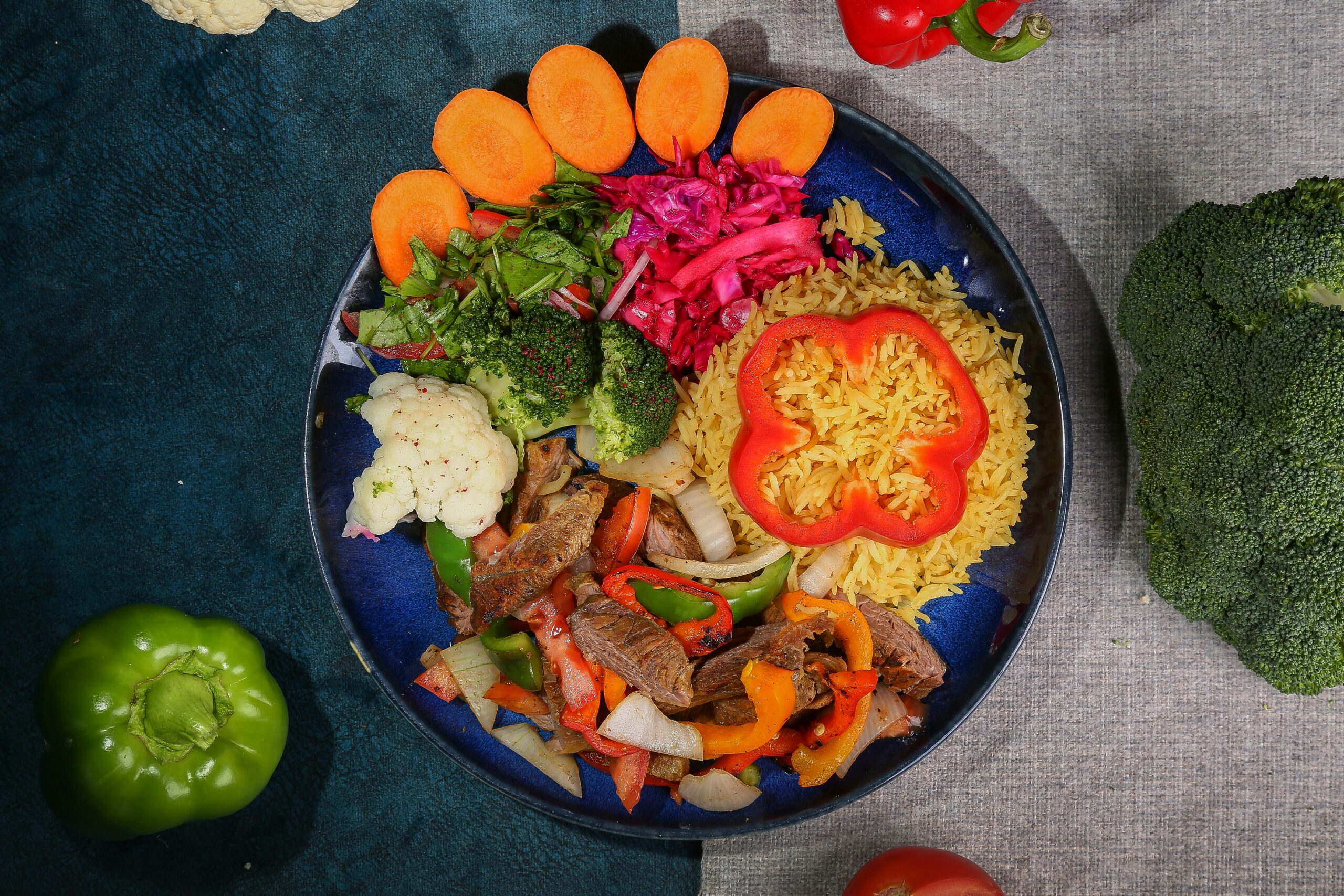
Getting a flatter tummy and improving your digestion often comes down to making smarter food choices, rather than drastic deprivation. It’s less about a magic bullet and more about consistent, mindful eating that supports your gut health and reduces bloating.
Understanding What Really Causes Bloating
Before we dive into what to eat, let’s quickly touch on why your tummy might not feel as flat as you’d like, even if you’re otherwise healthy. It’s not always about fat; often, it’s about bloating, which can be incredibly uncomfortable and make your stomach protrude.
The Role of Gas and Digestion
Gas is a natural byproduct of digestion. When bacteria in your gut break down food, especially certain carbohydrates, they produce gas. If this gas gets trapped or is produced in excess, it leads to that uncomfortable, bloated feeling. Things like eating too fast, not chewing thoroughly, or even stress can worsen this.
Food Sensitivities and Intolerances
Sometimes, certain foods just don’t agree with you. This isn’t necessarily an allergy, but rather an intolerance or sensitivity that can cause digestive distress, including bloating, gas, and discomfort. Common culprits include dairy (lactose intolerance), gluten (celiac disease or non-celiac gluten sensitivity), and certain carbohydrates (FODMAPs). Paying attention to how you feel after eating specific foods is crucial here.
Gut Microbiome Imbalance
Your gut is home to trillions of bacteria, both good and bad. A healthy balance is key for efficient digestion and overall well-being. When this balance is thrown off – perhaps by antibiotics, a poor diet, or stress – it can lead to symptoms like bloating, constipation, or diarrhea. Nurturing your gut flora is a big piece of the puzzle for a flatter tummy.
For those looking to achieve a flat tummy, adopting a healthy diet is essential. A great resource to consider is the article on a 7-day keto diet menu, which provides a structured plan for low-carb living that can help reduce belly fat. You can read more about it by visiting this link: 7-Day Keto Diet Menu for Low Carb Living. This guide offers delicious meal ideas that not only promote weight loss but also support overall health.
Prioritizing Gut-Friendly Foods

Building a diet that supports a flat tummy and good digestion starts with focusing on foods that nourish your gut and ease the digestive process.
The Power of Fiber (The Right Kinds)
Fiber is your digestive system’s best friend, but not all fiber is created equal when it comes to bloating. You want a good mix of soluble and insoluble fiber, but introduce it gradually to avoid shocking your system.
Soluble Fiber for Smoother Digestion
Soluble fiber dissolves in water, forming a gel-like substance that can help slow down digestion, allowing for better nutrient absorption, and can help regulate blood sugar. It also feeds beneficial gut bacteria. Good sources include oats, barley, nuts, seeds (like chia and flax), beans, lentils, and many fruits and vegetables like apples and carrots. These can help soften stool and prevent constipation, a common cause of bloating.
Insoluble Fiber for Regularity
Insoluble fiber adds bulk to your stool and helps move food through your digestive system, preventing constipation. Think of it as your internal scrub brush. Whole grains (brown rice, quinoa, whole wheat), wheat bran, and many vegetables (like leafy greens, broccoli, and celery) are rich in insoluble fiber. While essential, too much insoluble fiber too quickly can sometimes cause temporary bloating, so moderation and hydration are key.
Fermented Foods: Your Gut’s Best Friends
Fermented foods are a fantastic source of probiotics, which are live beneficial bacteria that can help restore and maintain a healthy gut microbiome.
Incorporating Probiotic-Rich Options
Think plain yogurt (look for “live and active cultures”), kefir, sauerkraut, kimchi, tempeh, and kombucha. Start with small amounts if you’re new to them, as some people can experience a little gas initially as their gut adjusts. Regular consumption can significantly improve digestion, reduce bloating, and even boost immunity.
Lean Proteins for Satiety and Repair
Protein is essential for feeling full and for repairing body tissues, including those in your digestive tract. Opt for lean sources to avoid the extra fat that can slow down digestion and potentially contribute to discomfort.
Smart Protein Choices
Good options include chicken breast, turkey, fish (especially fatty fish like salmon, rich in omega-3s which can reduce inflammation), eggs, tofu, tempeh, and legumes. Aim for a source of lean protein with every meal to help stabilize blood sugar and prevent overeating.
Healthy Fats for Absorption and Satiety
Don’t shy away from fats, but choose them wisely. Healthy fats are crucial for nutrient absorption (especially fat-soluble vitamins) and can help you feel satisfied after meals.
Beneficial Fat Sources
Avocados, nuts, seeds, and olive oil are excellent choices. They contribute to a feeling of fullness, which can prevent snacking on less healthy, bloat-inducing foods. However, even healthy fats are calorie-dense, so portion control is still important.
Foods to Approach with Caution (or Avoid)

While some foods are gut-friendly, others can be notorious for causing bloating and digestive issues for many people. It’s about figuring out what works for your body.
High-FODMAP Foods for Sensitive Individuals
FODMAPs are types of carbohydrates that can be poorly absorbed in the small intestine, leading to fermentation by gut bacteria and subsequent gas and bloating in sensitive individuals, particularly those with Irritable Bowel Syndrome (IBS).
Common High-FODMAP Culprits
This category includes some fruits (apples, pears, mango), certain vegetables (onions, garlic, cauliflower, mushrooms), legumes, wheat, dairy products (high in lactose), and artificial sweeteners. If you suspect these are an issue, a low-FODMAP diet, ideally guided by a dietitian, can help you identify your specific triggers. It’s not usually a lifelong diet, but a tool for identification.
Refined Grains and Sugars
Highly processed foods, refined grains, and added sugars often lack fiber and can feed undesirable gut bacteria, leading to inflammation and digestive upset.
The Problem with Processed Items
White bread, pastries, sugary cereals, and candies can cause blood sugar spikes and then crashes, leading to cravings and often contributing to an unhealthy gut environment. They offer little nutritional value and can promote yeast overgrowth, leading to bloating.
Artificial Sweeteners and Sugar Alcohols
While they may seem like a good alternative to sugar, many artificial sweeteners and sugar alcohols (like sorbitol, mannitol, xylitol) are poorly digested and can cause significant gas, bloating, and diarrhea, especially in larger quantities. Always check ingredient labels on “sugar-free” products.
Excessive Salt and Sodium
High sodium intake leads to water retention, which can make you feel bloated and puffy, both generally and in your abdominal area. Watch out for processed and restaurant foods, which are often hidden sources of excess sodium.
Smart Eating Habits Beyond Food Choices
It’s not just what you eat, but how you eat that makes a huge difference in digestion and reducing belly bloat.
Mindful Eating Practices
Slow down. Seriously. Eating quickly means you often swallow more air, which contributes to gas. It also means you’re less likely to fully chew your food, making it harder for your digestive system to break it down.
Chewing Thoroughly
Aim to chew each bite until it’s almost liquid before swallowing. This gives your digestive enzymes a head start and reduces the workload on your stomach and intestines.
Eating Slowly and Without Distraction
Put away your phone, turn off the TV, and focus on your meal. Pay attention to the flavors, textures, and sensations of fullness. This allows your brain to catch up with your stomach, helping you recognize when you’re satisfied and preventing overeating, which can lead to bloating.
Hydration is Key
Water is crucial for almost every bodily function, including digestion. It helps keep things moving smoothly through your digestive tract and prevents constipation, a major cause of bloating.
Drinking Enough Water
Aim for at least 8 glasses of water a day, more if you’re active. Don’t guzzle large amounts all at once, which can sometimes lead to discomfort. Sip steadily throughout the day.
Timing Your Drinks
While staying hydrated is important, try not to drink large quantities of water during meals, as it can dilute digestive enzymes. A small amount is fine, but save most of your fluid intake for between meals.
Smaller, More Frequent Meals
Instead of three large meals that can overwhelm your digestive system, consider eating smaller, more frequent meals and snacks throughout the day. This keeps your metabolism steady and prevents that overly full, distended feeling. It also helps manage hunger, making you less likely to overeat at your next meal.
For those looking to achieve a flat tummy, adopting a healthy diet is essential, and incorporating nutrient-rich foods can make a significant difference. A great resource to explore is an article on nutrition for healthy hair, which emphasizes the importance of a balanced diet for overall well-being. You can read more about it here. By focusing on whole foods and proper hydration, you can not only support your hair health but also work towards a flatter stomach.
Lifestyle Factors for Digestive Health
| Metric | Recommended Amount | Notes |
|---|---|---|
| Daily Calories | 1500-1800 kcal | Adjust based on activity level and metabolism |
| Protein Intake | 25-30% of daily calories | Supports muscle maintenance and satiety |
| Fiber | 25-30 grams | Promotes digestion and reduces bloating |
| Water Intake | 8-10 cups (2-2.5 liters) | Helps reduce water retention and aids metabolism |
| Sodium | Less than 2300 mg | Lower sodium to prevent bloating |
| Added Sugars | Less than 25 grams | Reduces fat accumulation and inflammation |
| Healthy Fats | 20-35% of daily calories | Include sources like avocados, nuts, and olive oil |
| Meals per Day | 3 balanced meals + 1-2 snacks | Helps maintain steady blood sugar and metabolism |
Diet is a huge part of the picture, but other aspects of your daily life significantly impact your gut health and tummy appearance.
Regular Physical Activity
You don’t need to become a marathon runner, but consistent movement is incredibly beneficial for digestion. Exercise helps stimulate the muscles in your digestive tract, keeping things moving and reducing constipation.
Benefits of Movement
Even a brisk walk after a meal can aid digestion. Regular exercise also helps reduce stress, which is a major contributor to digestive issues. Aim for at least 30 minutes of moderate activity most days of the week.
Managing Stress Effectively
Your gut and brain are intimately connected (the “gut-brain axis”). When you’re stressed, it can directly impact your digestive system, leading to symptoms like bloating, indigestion, and altered bowel habits.
Stress-Reduction Techniques
Finding healthy ways to manage stress is paramount. This could include mindfulness meditation, yoga, deep breathing exercises, spending time in nature, pursuing hobbies, or simply setting aside time for relaxation. Prioritizing sleep is also a critical component of stress management.
Prioritizing Quality Sleep
Lack of sleep can throw your hormones out of whack, impact your metabolism, and contribute to inflammation, all of which can negatively affect digestion and contribute to weight gain, particularly around the midsection.
Creating a Sleep-Friendly Environment
Aim for 7-9 hours of quality sleep per night. Establish a consistent sleep schedule, make your bedroom dark and cool, and avoid screens for an hour before bed to promote restful sleep.
Making these dietary and lifestyle changes takes time and consistency, but the rewards of better digestion and a more comfortable, flatter tummy are well worth the effort. Listen to your body, be patient, and focus on progress, not perfection.
Leave a Reply