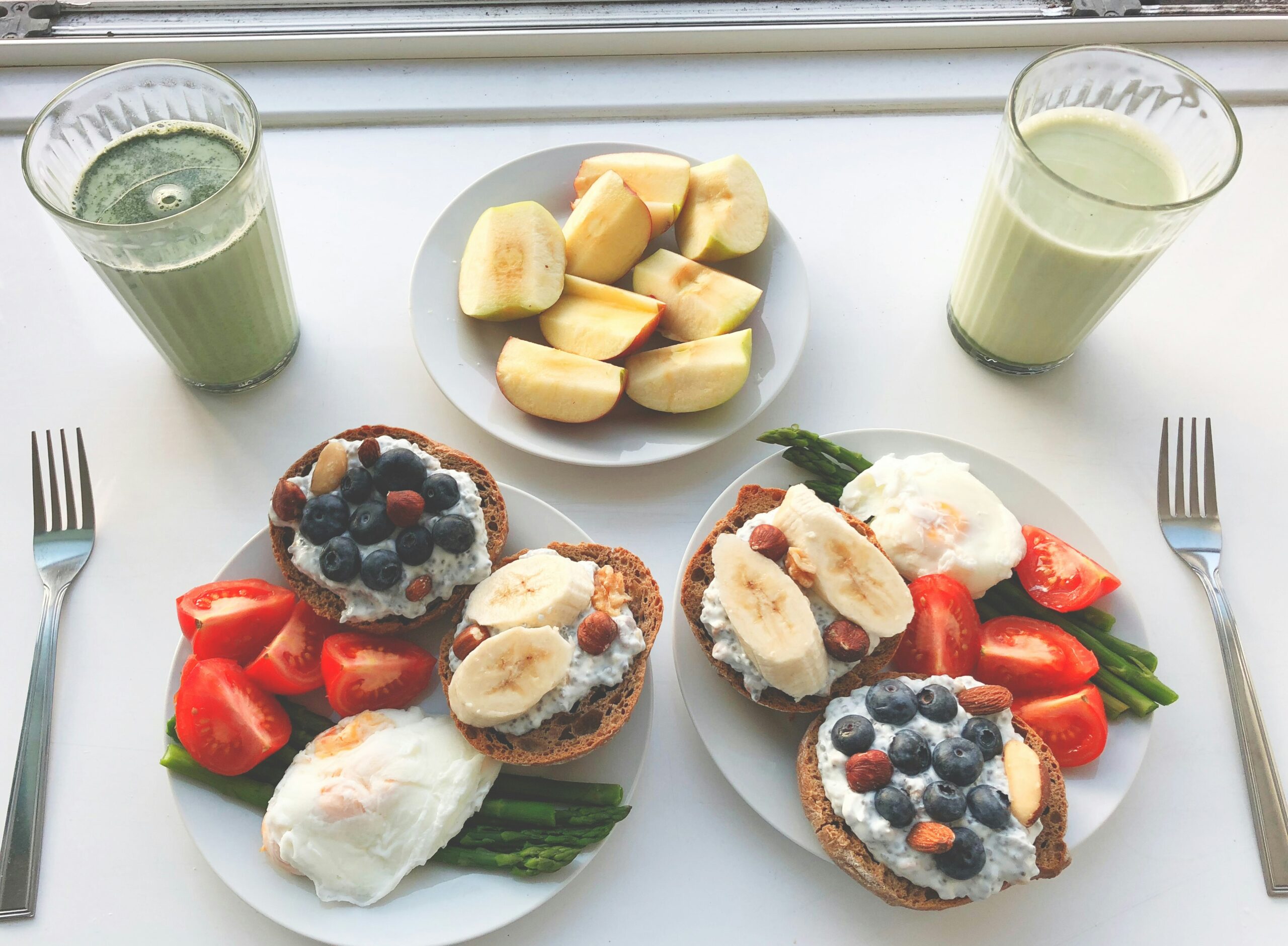
Before you hit the gym, figuring out what to eat can feel like a guessing game. The main takeaway? You want something that provides sustained energy without weighing you down or causing an upset stomach. Think complex carbs for fuel, a little protein for muscle support, and keep fats and fiber relatively low right before your workout to avoid digestive issues. It’s all about giving your body the right tools to perform.
It’s easy to just grab whatever or skip eating altogether, but what you eat before you exercise can seriously impact your performance, energy levels, and even how you recover. Think of your body like a car – you wouldn’t expect it to run well on an empty tank or with the wrong kind of fuel.
Fueling Your Engine
Your body primarily uses carbohydrates for energy during exercise, especially high-intensity activities. Eating carbs before a workout tops off your glycogen stores (your body’s stored form of glucose), which helps you power through without hitting a wall. Without enough fuel, you might feel sluggish, weak, and your performance could suffer.
Protecting Your Muscles
While carbs are the main energy source, a little protein before your workout can also be beneficial. It helps prevent muscle breakdown during exercise and kickstarts the recovery process. This is particularly important if you’re doing strength training or prolonged cardio.
Avoiding the Dreaded “Crash”
Eating the right kind of food helps regulate your blood sugar levels. A meal high in simple sugars right before a workout might give you a quick burst of energy, but it often leads to a rapid drop – the dreaded sugar crash – leaving you feeling worse than when you started. Complex carbohydrates, on the other hand, provide a steady release of energy.
Minimizing Discomfort
The last thing you want during a workout is an upset stomach, bloating, or heartburn. Certain foods, especially those high in fat and fiber, can take longer to digest and cause discomfort. Timing and food choices are key here to ensure you feel good, not queasy.
Before diving into your workout routine, it’s essential to fuel your body with the right nutrients. A well-planned pre-workout meal can significantly enhance your performance and energy levels. For more insights on what to eat before exercising, check out this informative article on pre-workout nutrition. You can find it here: Nutritionists Apna.
The Macronutrient Breakdown: What to Focus On
When planning your pre-workout meal, it’s helpful to understand the role of each macronutrient – carbohydrates, protein, and fat.
Carbohydrates: Your Primary Energy Source
Carbohydrates are king here. They are broken down into glucose, which is then used immediately for energy or stored as glycogen in your muscles and liver.
Complex Carbs vs. Simple Carbs
- Complex Carbohydrates: These are your best friends before a workout. They are digested slowly, providing a sustained release of energy. Think whole grains, oats, sweet potatoes, and brown rice. These are ideal for meals eaten 2-3 hours before a workout.
- Simple Carbohydrates: While not ideal as a primary fuel source in isolation, simple carbs can be useful closer to your workout (30-60 minutes before) for a quick energy boost, especially if you haven’t eaten in a while. Fruit, a small amount of honey, or a sports drink (if appropriate for your activity) fall into this category.
Protein: Muscle Protection and Repair
Protein isn’t a primary energy source during exercise, but it plays a crucial supporting role.
Benefits of Pre-Workout Protein
- Muscle Protein Synthesis: Eating protein before a workout can help increase muscle protein synthesis, aiding in muscle repair and growth.
- Reduced Muscle Damage: It may also help reduce muscle damage during intense exercise.
- Satiety: Protein also contributes to feeling full, which can be helpful if you’re trying to manage your appetite.
Good Protein Sources
Lean proteins like chicken breast, turkey, Greek yogurt, eggs, or a scoop of protein powder are good choices. Aim for easily digestible options.
Fats: Use with Caution (Before a Workout)
While healthy fats are an essential part of a balanced diet, they are generally not ideal in large quantities right before a workout.
Why Limit Fat Pre-Workout?
- Slow Digestion: Fat slows down digestion significantly. This means it can sit in your stomach longer, potentially causing discomfort, bloating, or a heavy feeling during your workout.
- Limited Energy Contribution: While fat can be used for energy during very long, low-intensity activities, it’s not the primary fuel source for most typical workouts.
When a Little Fat is Okay
A small amount of healthy fat (like a thin spread of avocado or a few nuts) in a meal eaten 2-3 hours before a workout is usually fine, as long as it doesn’t cause digestive issues. The key is moderation.
Timing is Everything: When to Eat

Knowing what to eat is only half the battle; knowing when to eat it is just as important. The ideal timing depends on the size and composition of your meal and your individual digestion.
2-3 Hours Before Your Workout: The Full Meal Window
This is the sweet spot for a balanced, substantial meal.
What to Eat
Focus on complex carbohydrates, a moderate amount of lean protein, and low fat/fiber.
- Examples:
- Oatmeal with berries and a scoop of protein powder.
- Whole-wheat toast with scrambled eggs and a slice of avocado (if tolerated).
- Chicken breast with a small sweet potato and steamed veggies (just a small portion of veggies to keep fiber low).
- Greek yogurt with granola and fruit.
- A small whole-wheat pasta dish with lean ground turkey.
Why This Timing Works
It gives your body ample time to digest the food, absorb nutrients, and convert carbohydrates into usable energy without leaving you feeling sluggish or experiencing digestive upset. Your energy stores will be topped up and ready for action.
30-60 Minutes Before Your Workout: The Quick Boost Window
If you’re short on time or feeling a bit peckish, a smaller, easily digestible snack is your best bet.
What to Eat
Focus primarily on simple carbohydrates for quick energy, with a tiny bit of protein if you like. Keep fiber and fat to an absolute minimum.
- Examples:
- A banana or an apple.
- A handful of grapes or a small orange.
- Rice cakes with a thin smear of jam.
- A small energy bar (check ingredients for low fat/fiber).
- A small amount of a sports drink (if doing intense, prolonged exercise).
- A piece of white toast with a thin layer of honey.
Why This Timing Works
These foods provide a rapid source of glucose for energy without requiring extensive digestion. They are less likely to cause stomach upset during your workout. The goal here is to top off your immediate energy stores, not to have a full meal.
Eating Right Before (0-15 minutes)
Generally, it’s best to avoid solid food this close to your workout. At most, a few sips of water or a very small amount of a fast-acting liquid carbohydrate (like a sports drink) would be it, especially if you’re feeling a sudden energy dip. Your body will be focusing on digestion, not performance, if you eat solid food.
Hydration: Don’t Forget Your Water!

Often overlooked, proper hydration is just as critical as your pre-workout meal.
Why Water is So Important
- Performance: Dehydration, even mild, can significantly impair your physical and mental performance, leading to fatigue, reduced strength, and impaired coordination.
- Temperature Regulation: Water helps your body regulate its temperature, preventing overheating during exercise.
- Nutrient Transport: It’s essential for transporting nutrients to your cells and removing waste products.
How to Hydrate Effectively
- Before Your Workout: Start hydrating hours before your workout. Aim to drink 16-20 ounces (about 2-2.5 cups) of water 2-3 hours before exercise.
- Closer to Your Workout: Drink another 8-10 ounces (about 1-1.25 cups) 20-30 minutes before you start.
- During Your Workout: Continue sipping water throughout your exercise session, especially if it’s prolonged or intense.
- Listen to Your Body: Pay attention to your thirst cues. If you’re thirsty, you’re already a bit dehydrated.
Electrolytes (When Needed)
For workouts lasting longer than 60-90 minutes, or in hot and humid conditions, you might consider a sports drink containing electrolytes. These help replace minerals lost through sweat and maintain fluid balance. For most typical gym sessions, plain water is perfectly sufficient.
When planning your pre-workout meal, it’s essential to consider the right balance of nutrients to fuel your performance. For more insights on this topic, you can check out a related article that discusses the importance of carbohydrates and proteins in your pre-exercise nutrition. Understanding how to optimize your meal can significantly enhance your workout experience. To explore this further, visit this article for valuable tips and guidelines.
Practical Tips and Common Mistakes
| Metric | Recommended Amount | Purpose | Examples |
|---|---|---|---|
| Carbohydrates | 30-60 grams | Provide energy for workout | Oats, banana, whole grain bread |
| Protein | 10-20 grams | Support muscle repair and growth | Greek yogurt, eggs, protein shake |
| Fat | 5-10 grams | Slow digestion, sustained energy | Peanut butter, nuts, avocado |
| Timing | 30-60 minutes before workout | Allow digestion and energy availability | Meal or snack timing |
| Hydration | 500 ml water | Maintain fluid balance and performance | Water, electrolyte drinks |
Making your pre-workout nutrition effective doesn’t have to be complicated. A few simple rules can make a big difference.
Listen to Your Body
This is probably the most important tip. Everyone is different. What works perfectly for your friend might cause you discomfort. Experiment with different foods and timings to find what makes you feel best and perform optimally. Keep a mental note (or even a small log) of what you ate and how you felt during your workout.
Avoid New Foods on Big Workout Days
If you have a particularly important race, game, or heavy lifting session planned, don’t try a brand new pre-workout meal or supplement. Stick to what you know works for you to avoid unexpected digestive issues or energy dips.
Don’t Overeat
Just as bad as under-fueling is over-fueling. Eating too much, especially too close to your workout, can leave you feeling bloated, nauseous, or sluggish, diverting blood flow to your digestive system instead of your working muscles.
Be Mindful of Fiber
While fiber is fantastic for overall health, it can be a problem right before a workout because it slows digestion and can cause gas or bloating. Opt for lower-fiber options in your immediate pre-workout window. For example, instead of a whole apple, opt for an apple sauce or juice. Or instead of brown rice, opt for white rice.
Watch Out for High-Fat Foods
As mentioned, fat is slow to digest. Avoid greasy, fried foods, large amounts of nuts, seeds, or heavy sauces before your workout to prevent digestive distress.
Caffeine: Use Strategically
Many people use coffee or pre-workout supplements containing caffeine. While caffeine can boost alertness and perceived effort, it’s not a direct energy source in the way carbohydrates are.
Caffeine Benefits
- Increased Alertness: Helps you feel more awake and focused.
- Reduced Perception of Effort: Makes your workout feel less strenuous.
- May Improve Performance: Some studies show benefits for endurance and strength.
Caffeine Considerations
- Tolerance: Everyone reacts differently to caffeine. If you’re sensitive, too much can cause jitters, anxiety, or an upset stomach.
- Timing: Consume it about 30-60 minutes before your workout to allow it to take effect.
- Hydration: Caffeine is a mild diuretic, so ensure you’re still drinking plenty of water.
- Sleep: Avoid caffeine too late in the day if it interferes with your sleep.
Sample Meal Ideas Based on Timing
Let’s put it all together with some practical examples.
For Workouts 2-3 Hours Away:
These are balanced meals designed for sustained energy.
- Classic Oatmeal Bowl: 1 cup cooked oats with 1/2 cup berries (strawberries, blueberries), 1 tablespoon chopped almonds (optional, if tolerated), and a scoop of whey protein powder (mixed in or on the side).
- Chicken and Sweet Potato: 4-5 oz grilled chicken breast with a small baked sweet potato (skin off for lower fiber) and a small portion of steamed green beans.
- Greek Yogurt Parfait: 1 cup plain Greek yogurt with 1/2 cup granola (low-fat variety) and a small banana.
- Whole-Wheat Toast with Eggs: 2 slices whole-wheat toast with 2 scrambled eggs and a small amount of avocado spread.
For Workouts 30-60 Minutes Away:
These are quick, easily digestible snacks for a rapid energy boost.
- Banana: Simple, effective, and portable.
- Apple Slices: Pair with a very thin smear of peanut butter (if tolerated, keep fat low).
- Rice Cakes with Jam: 2 rice cakes with a tablespoon of fruit jam.
- Small Fruit Smoothie: Blend 1/2 banana with 1/2 cup fruit juice or water.
- Energy Gummy Chews: Check for simple ingredients and low fiber.
- Small Pack of Pretzels: Quick source of simple carbs and sodium.
Morning Workouts: Navigating the “I Don’t Want to Eat” Dilemma
Early morning workouts present a challenge because you often don’t have much time to digest.
Option 1: Eat 30-60 Minutes Before
If you can wake up a bit earlier, a small, easily digestible snack (like a banana, a small handful of cereal, or a few sips of a fruit smoothie) is your best bet. Prioritize simple carbs and hydrate well.
Option 2: “Fast” with Prior Fuel
If you absolutely can’t stomach food before an early morning workout, ensure your dinner the night before was rich in complex carbohydrates. This will top off your glycogen stores, giving you some fuel to draw from. Hydrate immediately upon waking.
Option 3: Small Liquid Fuel
Some people find a small amount of diluted juice, a sports drink, or even just plain water with a slice of lemon works without causing stomach issues.
Ultimately, the best pre-workout meal is one that leaves you feeling energized, light, and ready to tackle your training session without any digestive distractions. Experiment, pay attention to your body, and you’ll find your perfect power-up routine.
Leave a Reply